AMRT Certification Blog
Exam prep and field guidance from working mold remediators, written around the ANSI/IICRC S520.
Independent exam prep — not affiliated with, endorsed by, or operated by the IICRC.
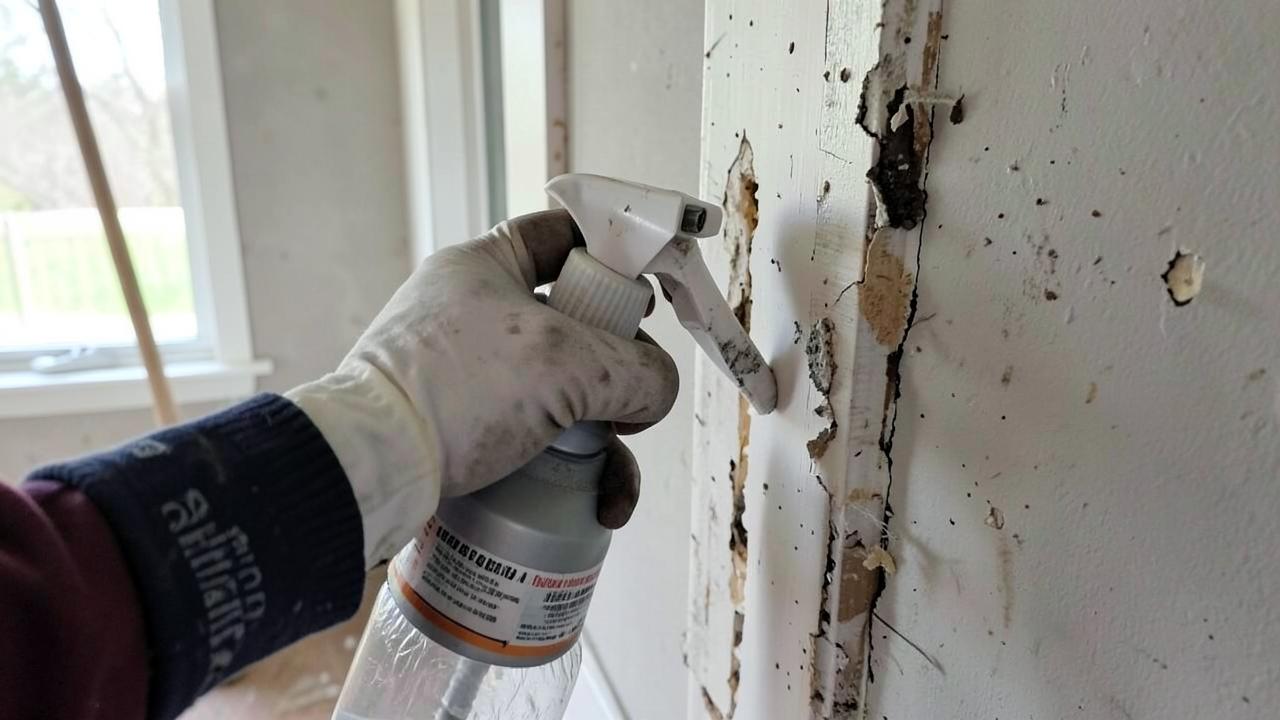
Why You Can't Just Spray Mold: Biocides & S520
Killing mold is not removing it. What biocides and bleach actually do, where antimicrobials fit under the S520, and why spray-only bids come in cheap.
Exam prep

How Hard Is the IICRC AMRT Exam? An Honest Look
An honest read on AMRT exam difficulty: the topics that catch people out, the time pressure on scenario questions, and how to prepare for both.

Best AMRT Exam Prep Tools: Practice Tests & Cards
The prep tools that move the needle for the AMRT exam: timed practice tests, spaced-repetition flashcards and S520 modules, and how to combine them.

How to Pass the IICRC AMRT Exam (Study Plan)
A two-week plan for the IICRC AMRT exam: what to study each day, how to drill the S520 Conditions, and how to manage the clock on test day itself.
S520 & methods
Why You Can't Just Spray Mold: Biocides & S520
Killing mold is not removing it. What biocides and bleach actually do, where antimicrobials fit under the S520, and why spray-only bids come in cheap.
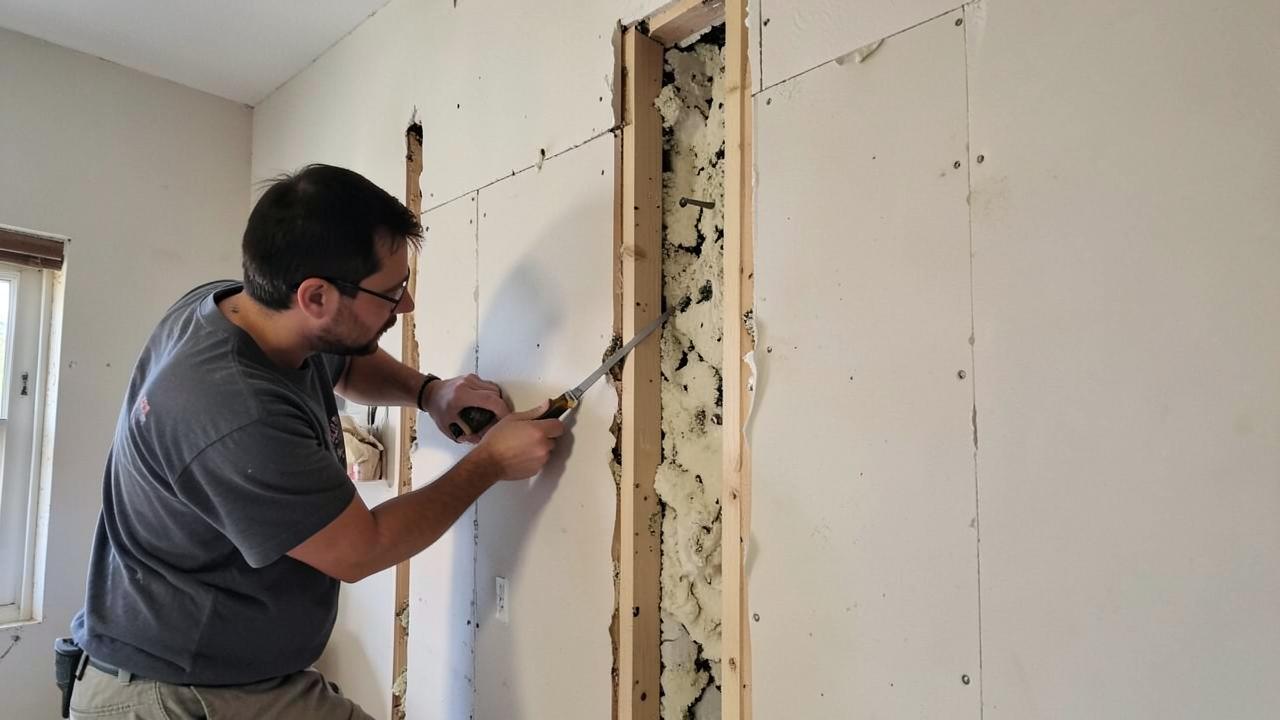
Mold Behind Drywall: Signs, Testing and Removal
The signs of mold inside walls, how meters and thermal imaging confirm it, why cavity growth cannot be cleaned in place, and how removal is verified.
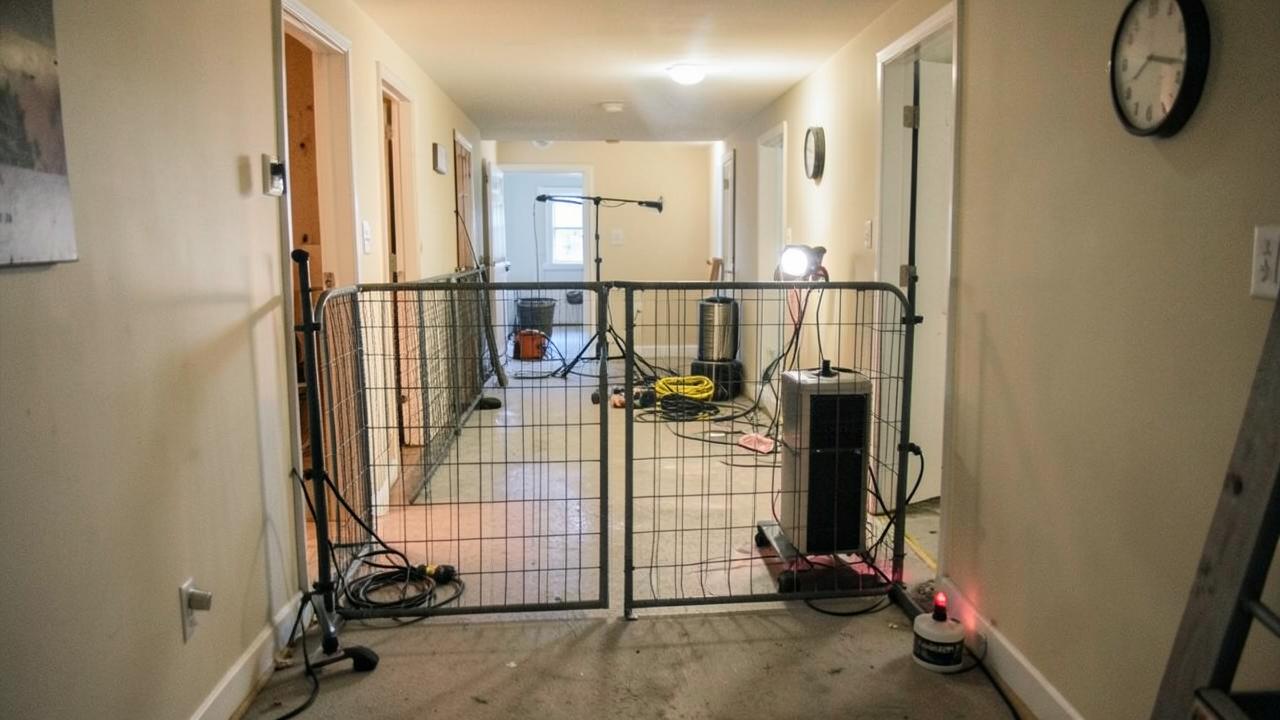
How Long Does Mold Remediation Take?
The factors that set a mold remediation timeline: area, Condition, containment, drying, clearance scheduling and rebuild, plus what usually delays a job.
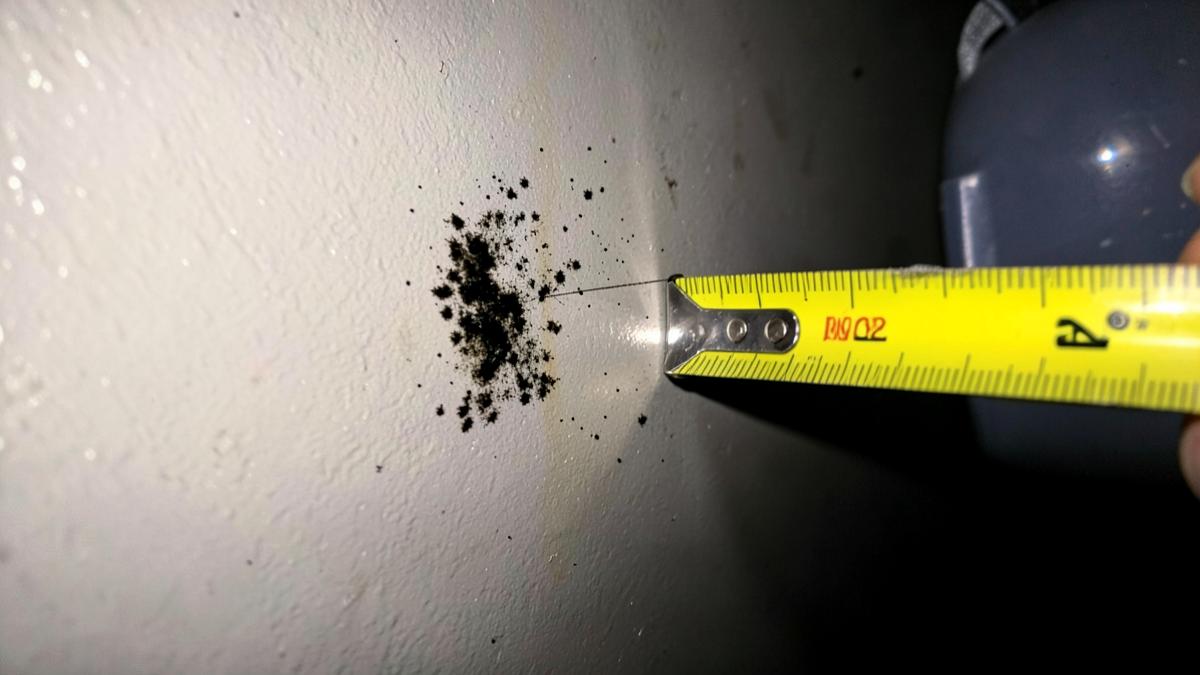
How Much Mold Is Too Much? The 10 Sq Ft Rule
Where the ten square foot guideline comes from, why it is guidance rather than law, and what matters more than area when scoping a mold remediation job.

Post-Remediation Verification: How Clearance Works
What an independent IEP checks at clearance: the visual inspection, moisture readings, air and surface samples, and how to pass on the first walk.
Mold Condition 1, 2 and 3 Explained (S520)
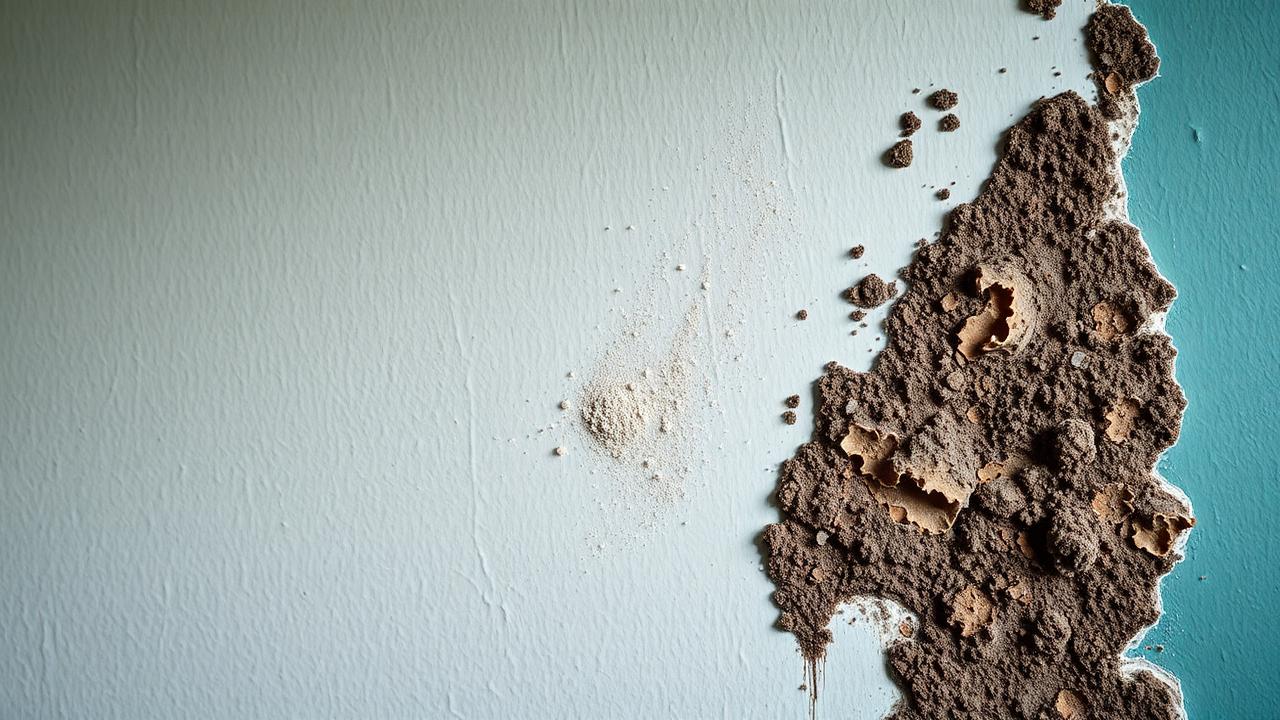
What each S520 Condition means, what it looks like in a real building, and how the classification drives containment, PPE, cleaning and clearance.
Mold Remediation Documentation IEPs Expect
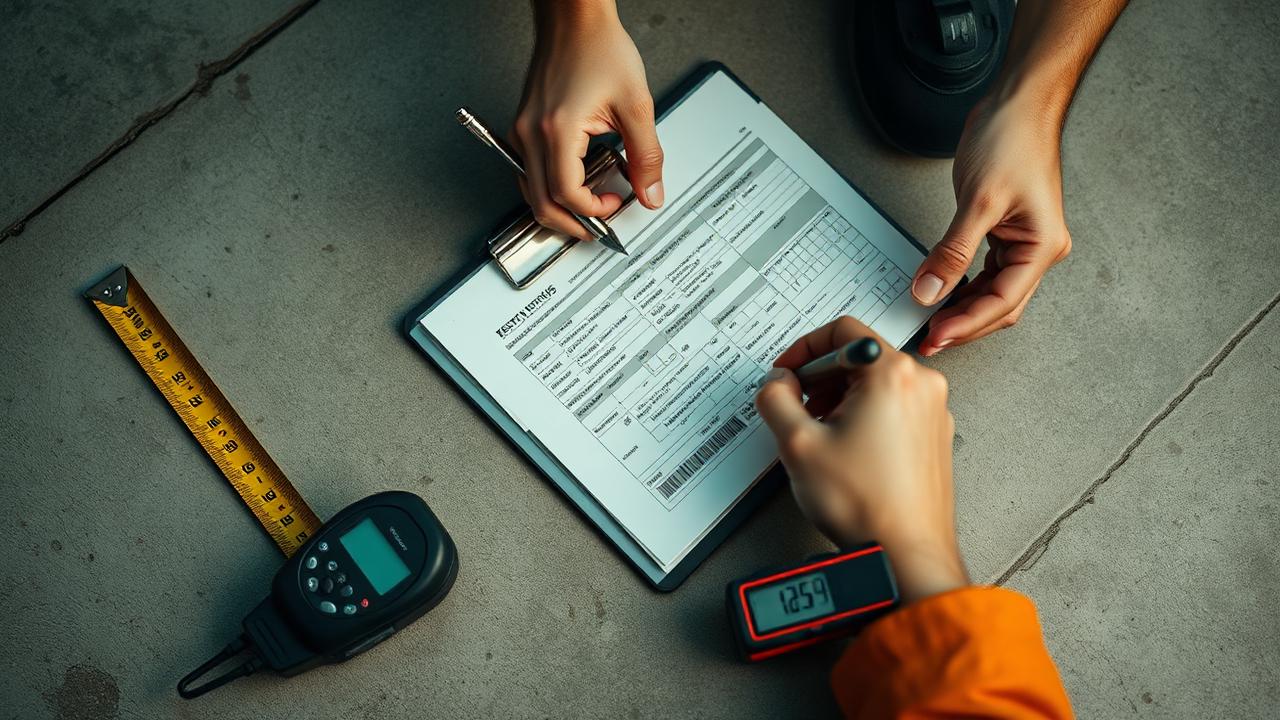
The paperwork that defends a mold job: inspection notes, daily work logs, containment and pressure records, waste tickets and the clearance report.
Mold After Water Damage: How Fast It Starts
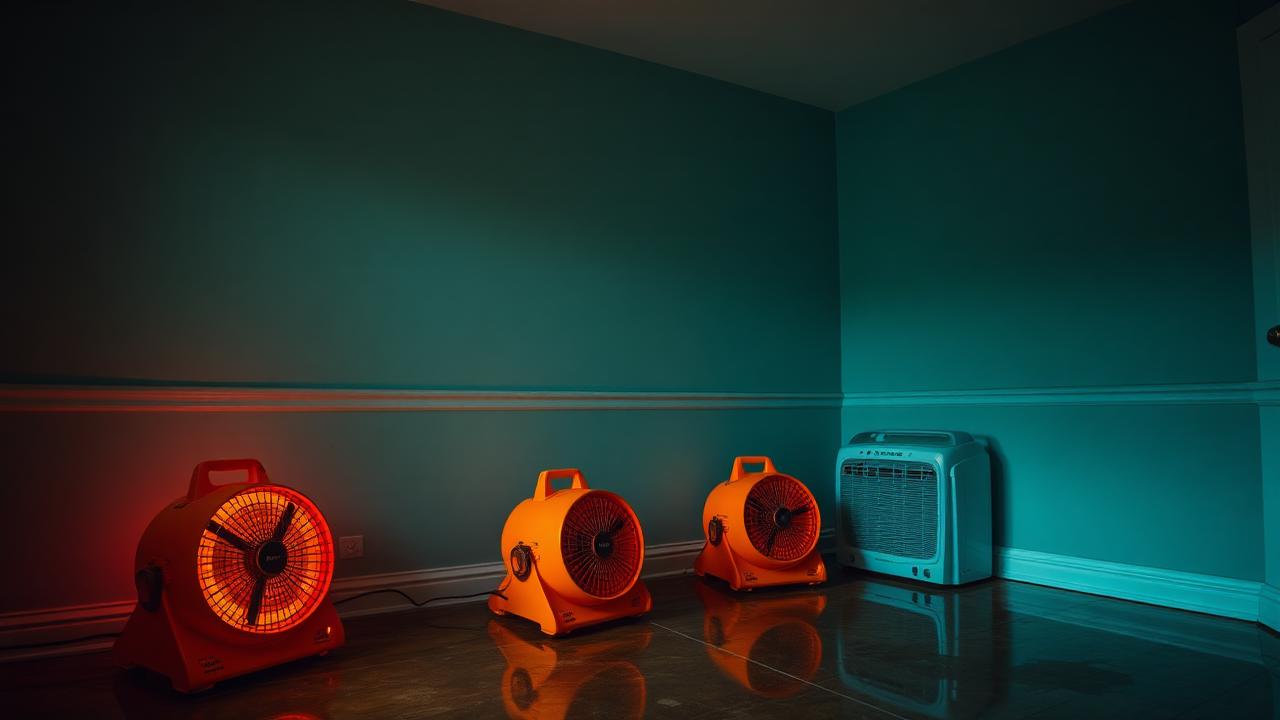
How quickly mold commonly starts after a water loss, what a remediator checks on the walkthrough, and where drying work ends and remediation begins.
Negative Air Machines and HEPA Air Scrubbers
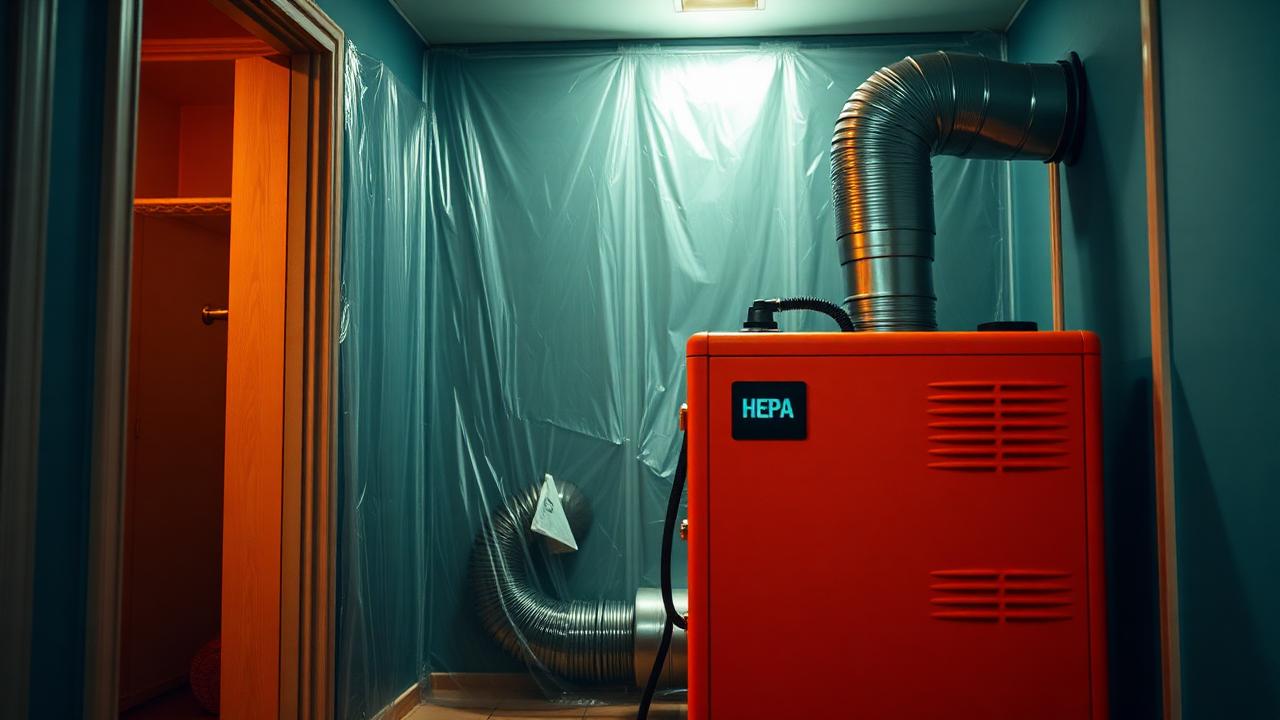
How negative air machines and HEPA air scrubbers actually work in a mold containment: filtration stages, airflow, placement and air changes per hour.
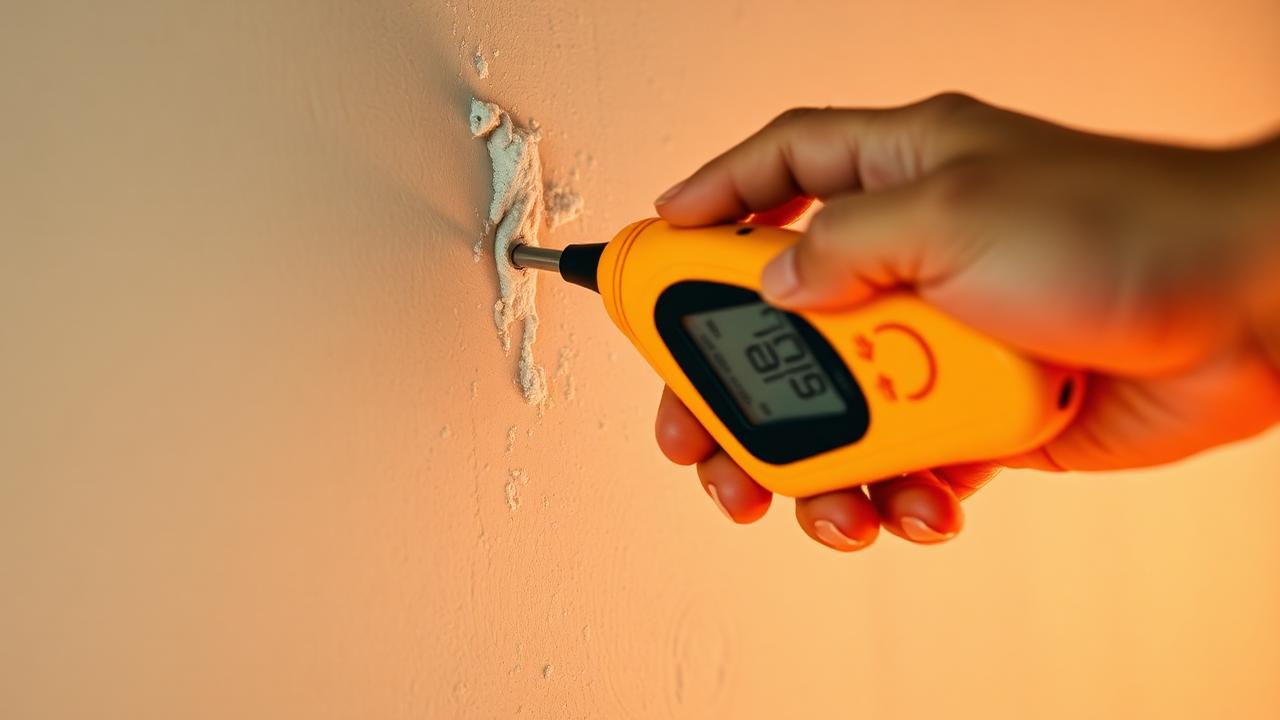
Finding Hidden Mold: Meters and Thermal Imaging
Using pin and pinless meters and thermal imaging to find hidden mold: what each tool really shows, how to map a room, and where growth reliably hides.
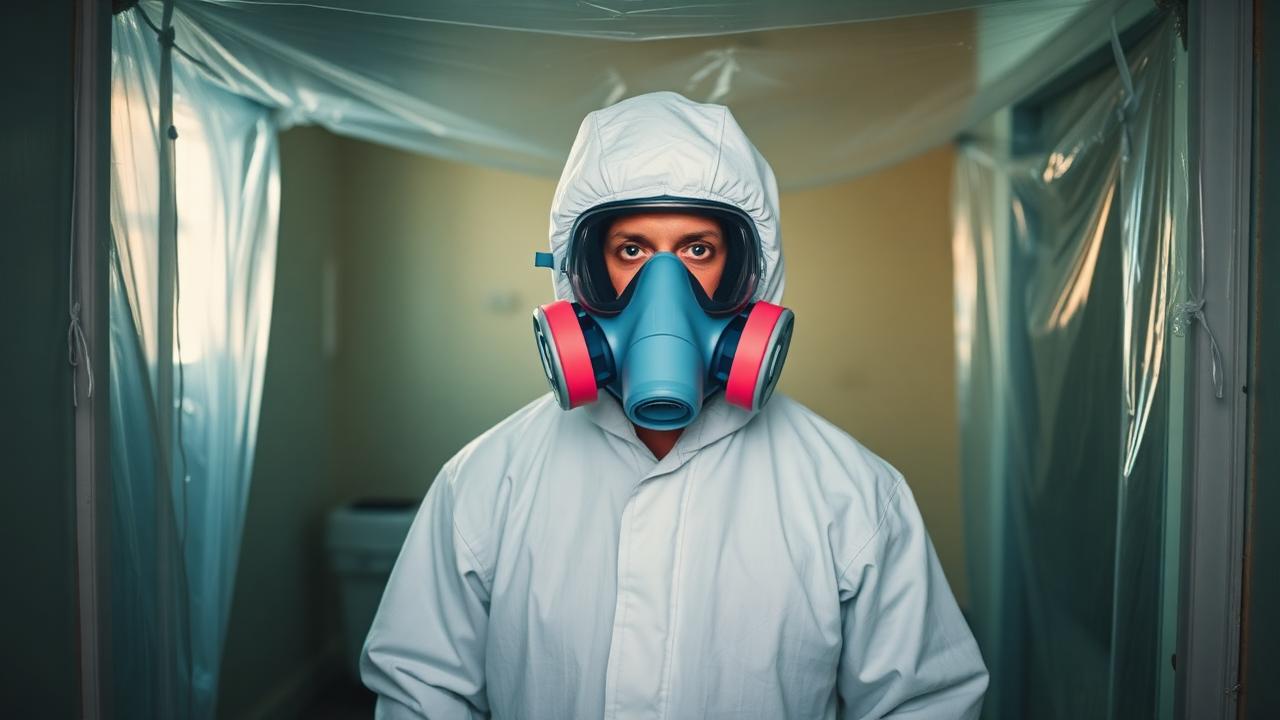
Mold Remediation PPE by Condition: S520 Guide
Matching PPE to the Condition and the method: respirator selection, fit testing, suits and gloves, and doffing without carrying spores out with you.
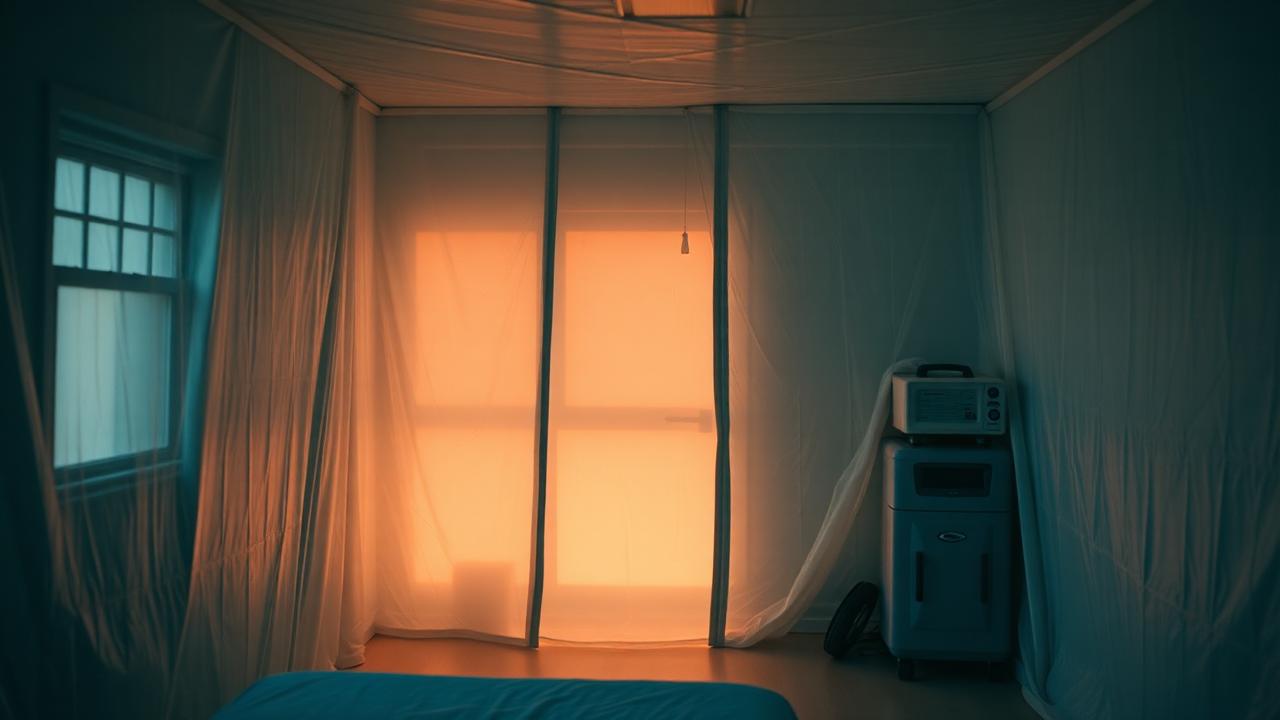
Mold Containment Types and Critical Barriers
Source, local and full containment compared: when each is used, how critical barriers are sealed, and how the build affects your clearance result.
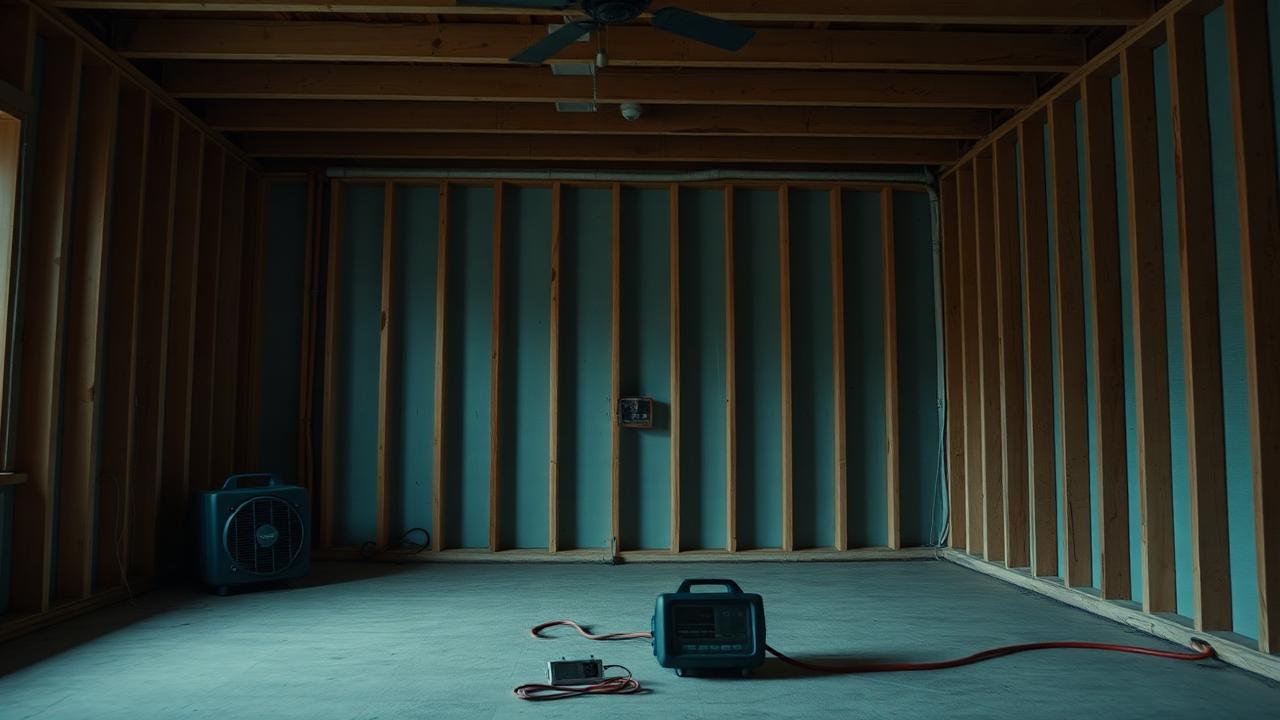
Preventing Mold Regrowth: Moisture Control
Why mold comes back after remediation, how to set and prove a dry standard, and the building conditions that quietly reload the problem after you leave.

Mold Biology Basics Every Remediator Should Know
The biology behind every remediation decision: what growth needs, how spores and hyphae behave, and why moisture is the only variable you control.
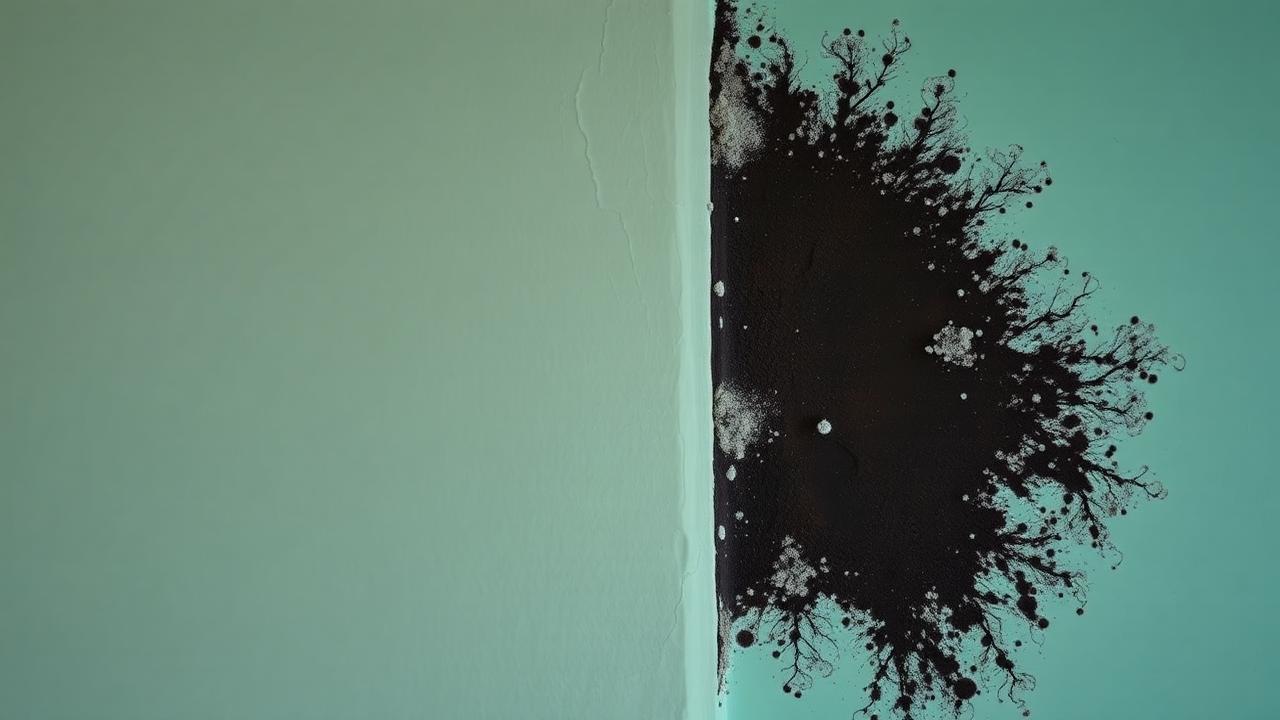
Condition 2 vs Condition 3 Mold: The Field Call
How to tell settled contamination from actual growth on site, what changes in the scope when it is Condition 3, and how the call affects verification.
Certification & career
Mold Remediation vs Mold Removal: The Difference
Why removal is a marketing word, what the S520 calls the work, why Condition 1 is the goal, and the six things to look for in any mold proposal.
When to Hire a Mold Remediation Professional
The thresholds that mean you need a contractor, the credentials and licences worth checking, ten questions to ask before signing, and the red flags.
Mold Remediation Certification Online: What Works
What you can and cannot do remotely when getting mold remediation certified, how to spot a certificate mill, and whether online training meets licensing.
Mold Certifications Compared: AMRT vs MRS
The IICRC has more than one mold credential. What AMRT and the Mold Remediation Specialist each cover, and which one fits the work you actually do.
ACAC Certification Explained: CMR, CMRS vs IICRC
What ACAC is, what the CMR and CMRS microbial remediation credentials cover, and how the experience-based route differs from the IICRC course route.

AMRT vs WRT vs ASD: Which IICRC Cert Comes First?
A straight comparison of the IICRC AMRT, WRT and ASD certifications: what each one covers, who actually needs it, and the order that makes sense.

AMRT Exam Cost (IICRC) and What Is Included
What the IICRC AMRT certification costs in practice: course tuition, the exam itself, retakes and renewal, plus the charges providers add later on.
How Long Is AMRT Certification Valid? Renewals
How AMRT certification renewal works: the renewal cycle, continuing education credits, what counts toward them, and what happens if you let it lapse.
Mold Remediation Career Guide for 2026
What a mold remediation career looks like day to day, which certifications and licences open doors, and the route from helper to running your own crew.
Job types
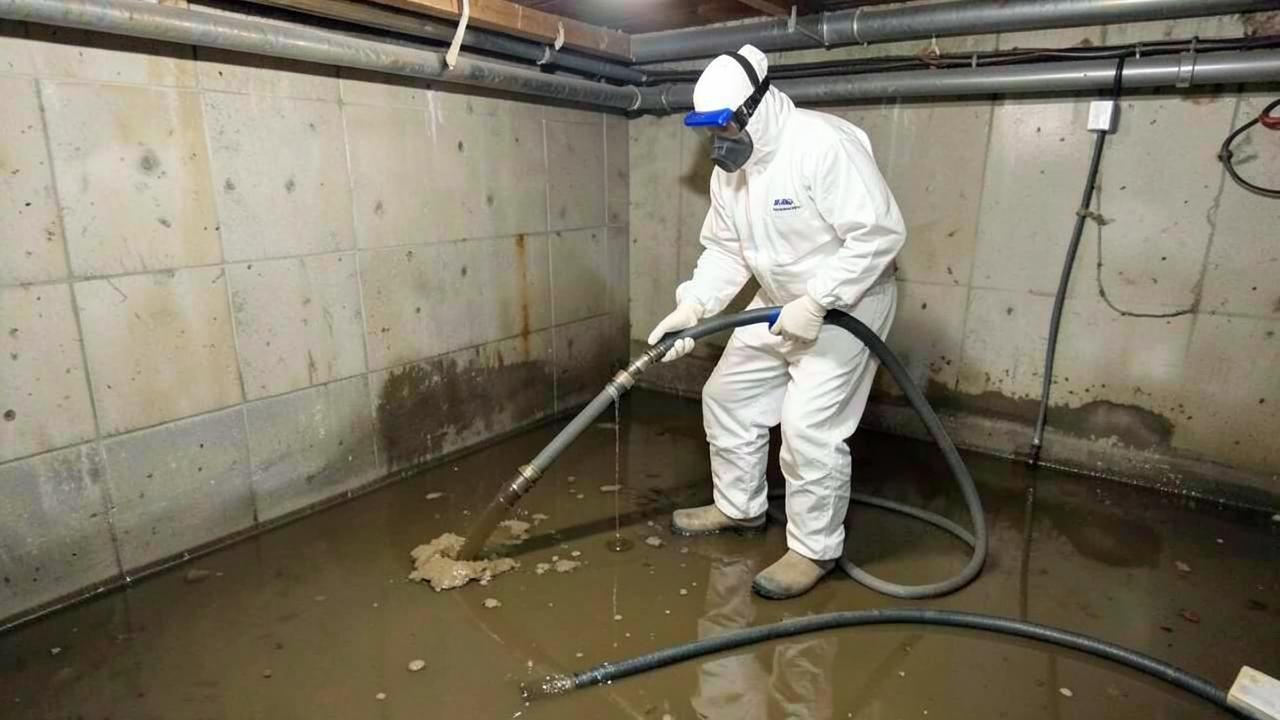
Category 3 Water and Sewage Remediation Explained
What has to happen after a sewage backup: why Category 3 water cannot be dried in place, what gets removed, the PPE required and how the work is verified.
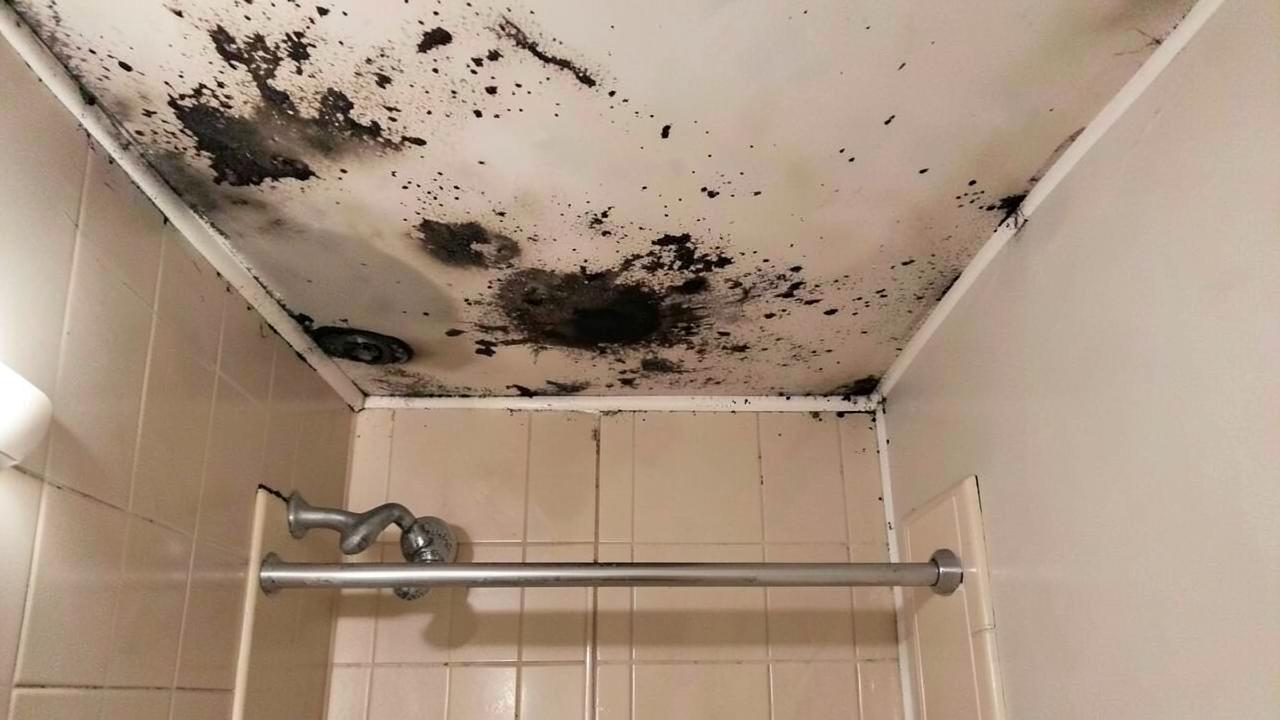
Bathroom Mold Remediation: Ceilings, Grout, Vanity
Why bathroom ceiling mold keeps returning, how to tell surface growth from Condition 3, when a clean is enough and when the drywall has to come out.
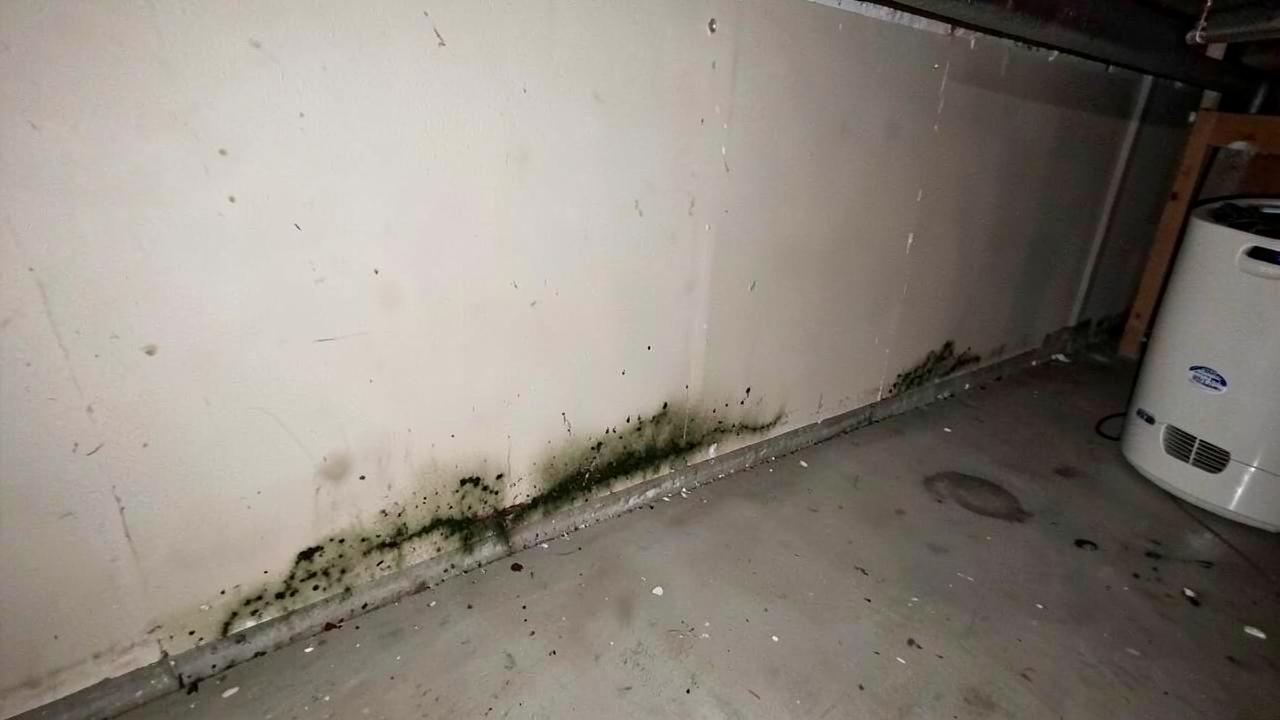
Basement Mold Remediation: Finished vs Unfinished
Basement moisture sources, what happens to finished walls and carpet, how containment works around a stairwell, and the dehumidification that follows.
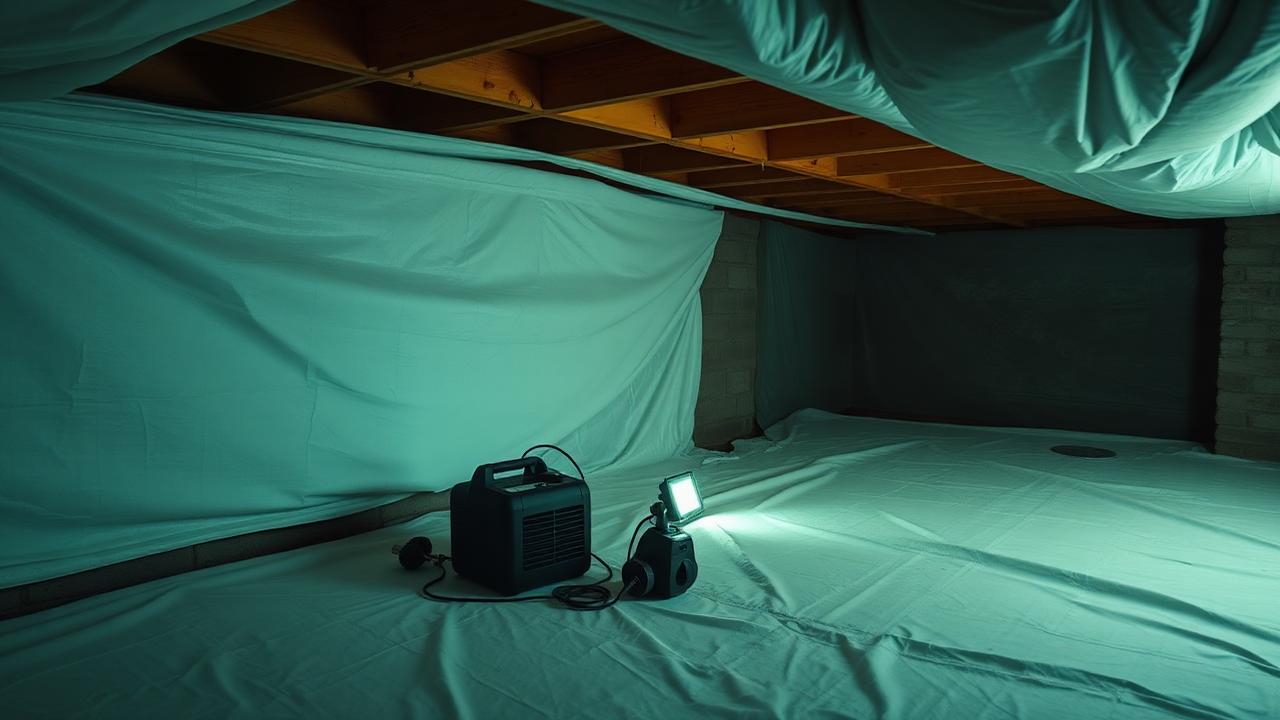
Crawlspace Mold Remediation: Vapor Barriers & S520
Crawlspaces are the most common Condition 3 space in housing. How to read vented and encapsulated crawls, kill the ground moisture, and clean joists.
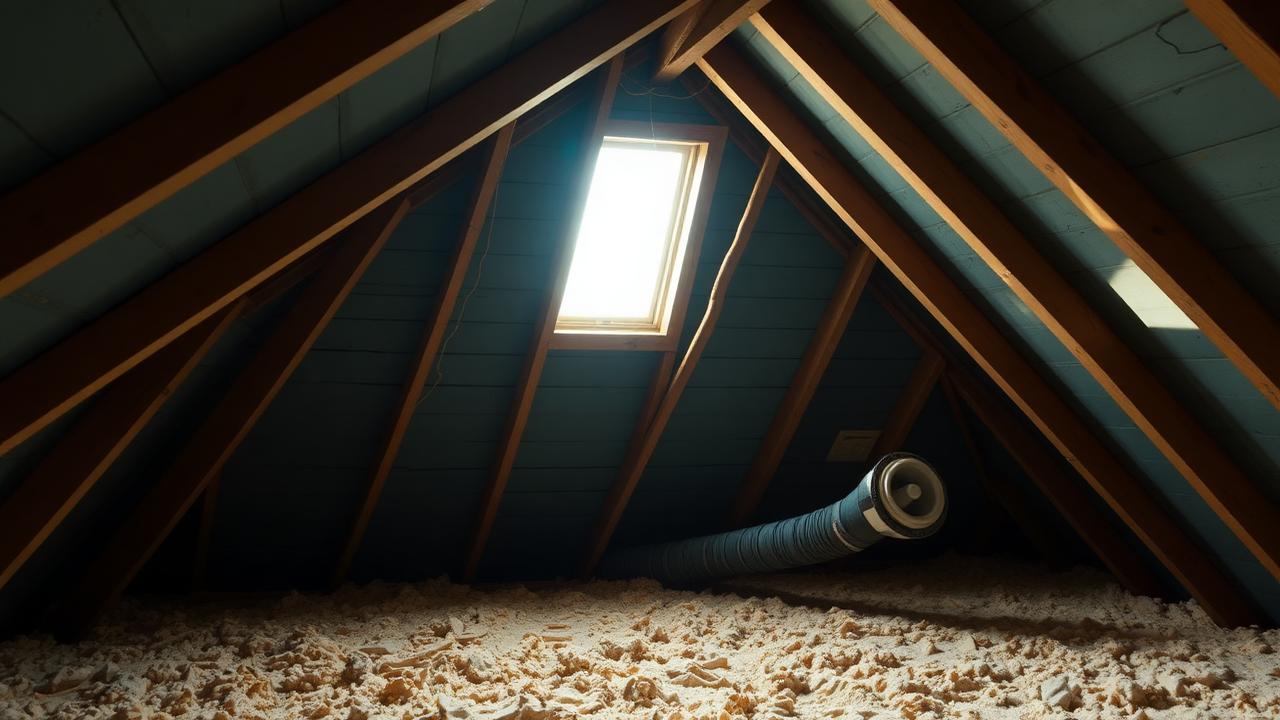
Attic Mold Remediation: Ventilation and Sheathing
Attic mold is a ventilation problem before it is a cleaning problem. Find the real source, clean roof sheathing safely, and document a fix that holds.
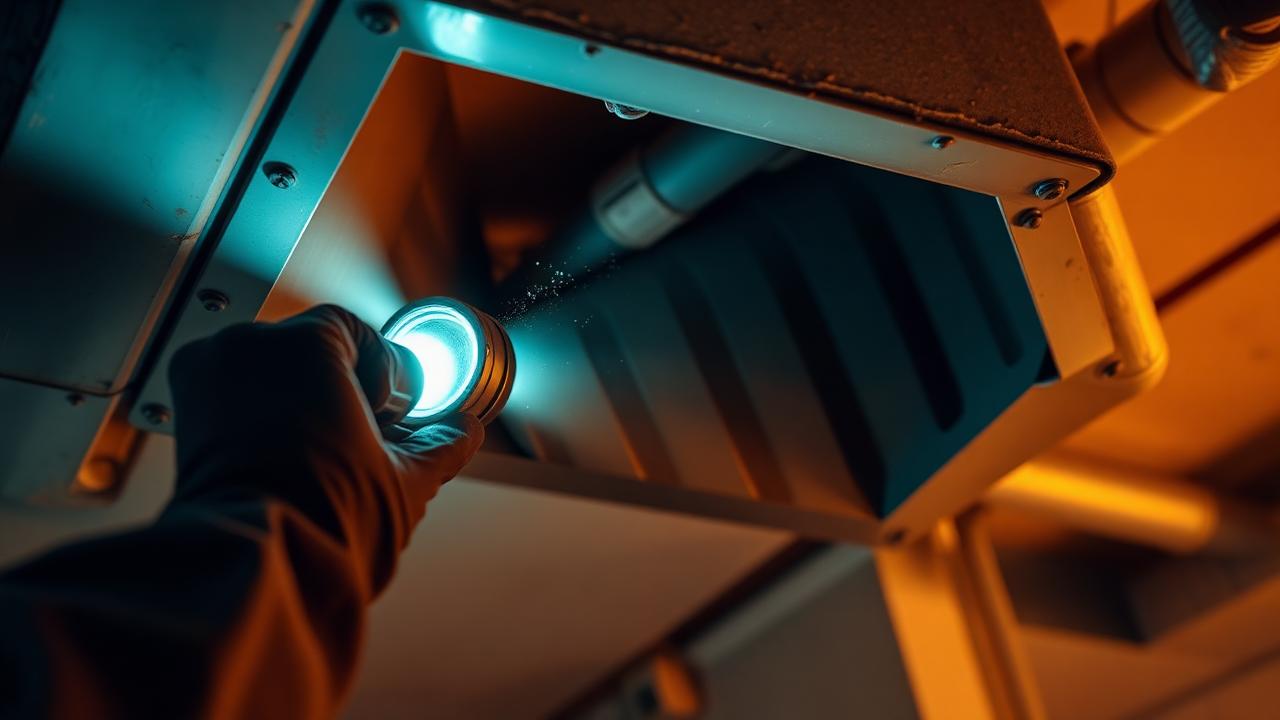
HVAC Mold Contamination: The S520 Response
An HVAC system running through a Condition 3 zone spreads spores building wide. How to shut down, isolate, inspect and clean contaminated ductwork.
Free AMRT Study Checklist
Get our S520 topic checklist — the exact topics weighted heaviest on the AMRT exam. Sent straight to your inbox.
No spam. Unsubscribe anytime.