Crawlspaces are the other half of the attic problem: the same condensation physics, upside down. Damp ground, a cold or humid cavity, and organic material sitting in it produce growth on joists and subfloor that the homeowner smells long before they see. Here is how the work runs, following the S520 sequence.
Why does mold grow in crawlspaces?
Crawlspace mold is a humidity problem fed by the ground and by outside air. Moisture evaporates continuously from bare soil, and in a vented crawlspace, warm humid summer air entering the cavity condenses on cooler surfaces — so the wood stays wet enough, long enough, for growth on joists, subfloor and any paper-faced insulation.
Add the usual contributors: grading that pushes water toward the foundation, downspouts discharging at the wall, missing or torn vapour retarder, plumbing leaks, and ductwork sweating in a humid cavity. In many crawlspaces the fix is a drainage and vapour-control project with a remediation attached, not the other way around.
Because the source is diffuse rather than a single event, be explicit in the scope about what your remediation does and does not solve. The scope of work template has an exclusions section for precisely this.
How do you assess a crawlspace?
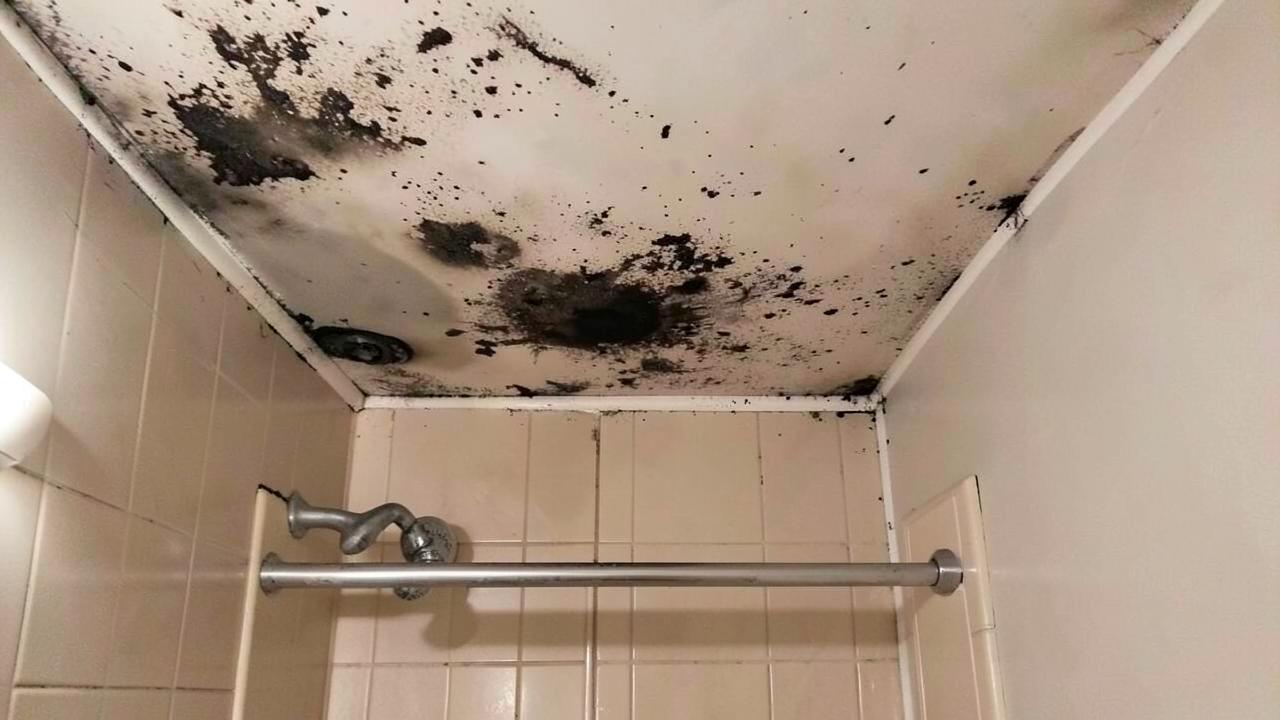
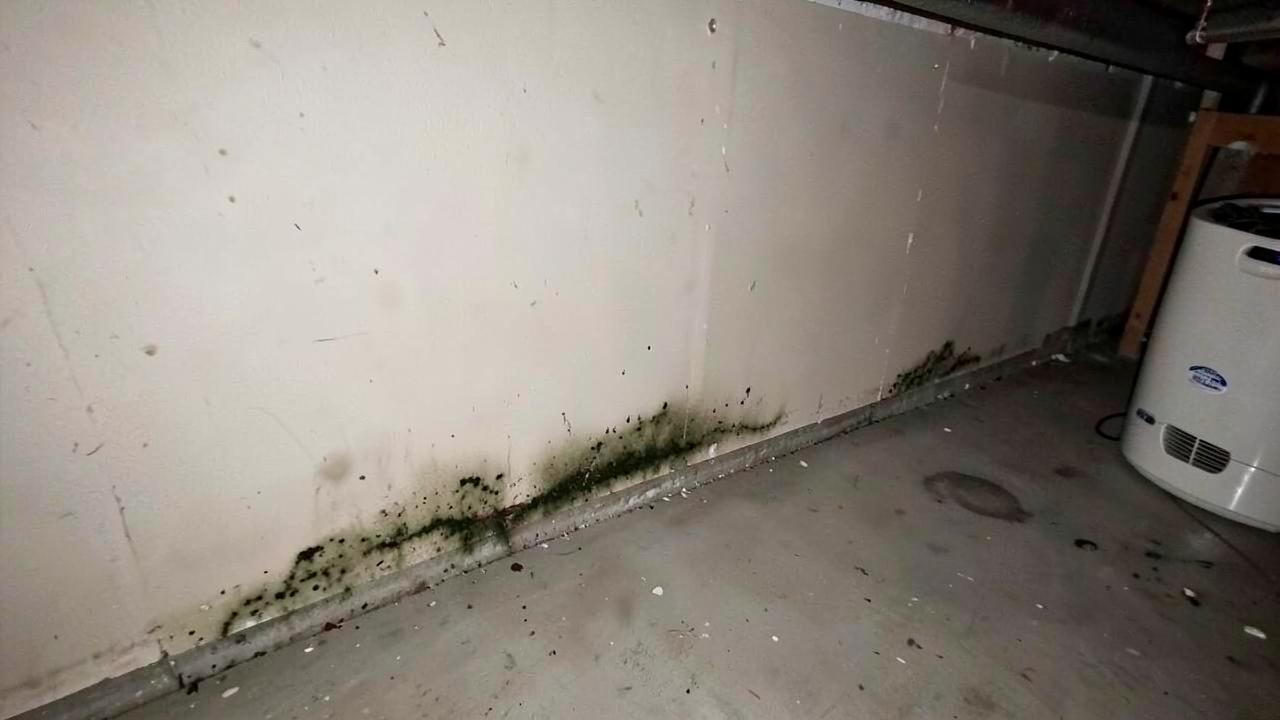
Get in it, area by area, and classify each area separately. Joists and subfloor with visible growth are Condition 3; areas with settled spores and no growth are Condition 2 — the Conditions explainer covers the calls.
Record the things that decide the scope: height and access, standing water or damp soil, vapour retarder condition and coverage, insulation type and whether it is falling, duct condition, plumbing leaks, vent openings, and the exterior grading and gutter situation. Take moisture readings on framing and subfloor in multiple locations, and note the ambient temperature and humidity in the cavity — a crawlspace running high humidity in the middle of the day tells the story better than any single moisture reading.
Measure length, width and clear height for the volume you will need for air filtration, and the affected square footage for cleaning. Both go into the cost calculator.
How do you contain a crawlspace?
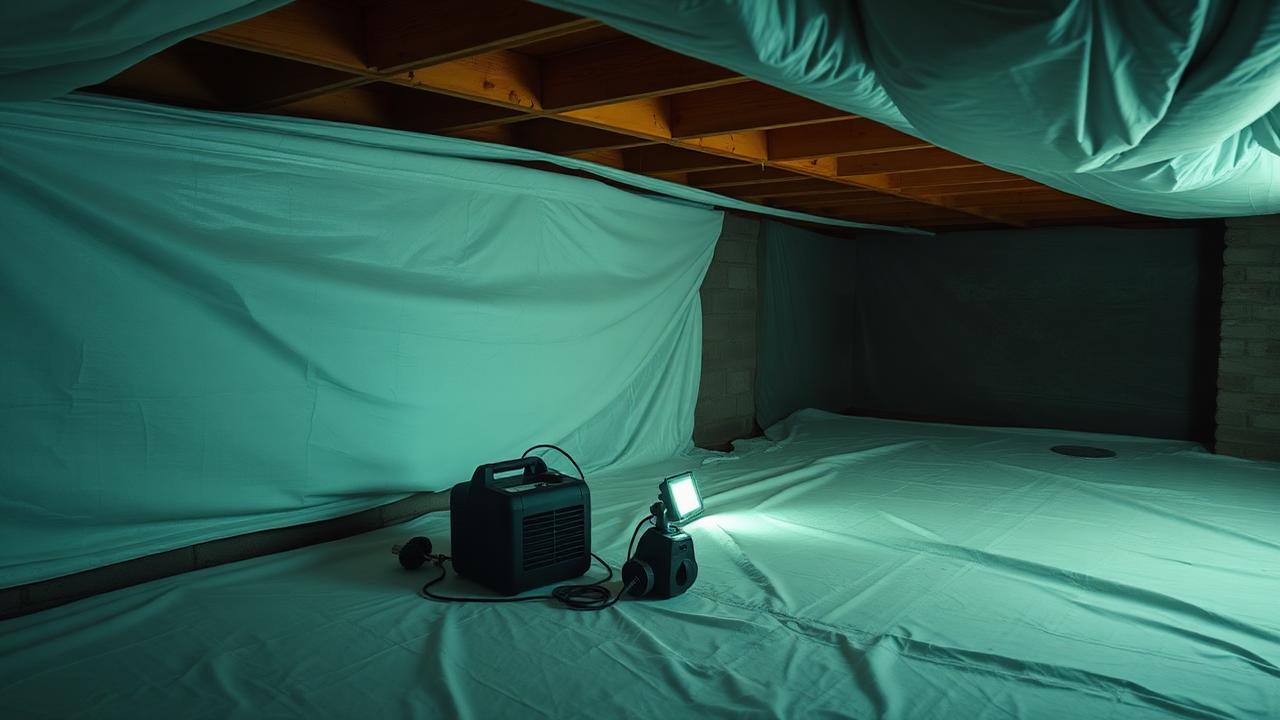
Treat the crawlspace as the contaminated zone and seal the routes into the house. The critical barrier goes at the interior access hatch if there is one, ductwork and any air handler in the cavity are isolated, and penetrations through the subfloor get attention because they are the pathway that puts crawlspace air into the living space.
Establish negative pressure in the cavity and exhaust to the exterior, closing the foundation vents you are not using so the machine has something to pull against. Where the crawlspace opens directly to outside only, you still contain — a leaking cavity with no pressure control puts your debris into the neighbour’s yard and back through the vents. The containment guide covers barrier construction and the materials sub-calculator.
How many air scrubbers does a crawlspace need?
Size on the cavity volume: length times width times clear height, then set your target air changes and read the required CFM off the ACH calculator. Crawlspaces have low volumes but poor air distribution, so machine placement matters as much as machine count.
Practical notes: place intake and exhaust at opposite ends so you sweep the cavity rather than short-circuiting the air across three feet; account for ducting losses when you derate the machine; and remember that piers and ductwork create dead zones the airflow will not reach without repositioning partway through the job.
What PPE does crawlspace work require?
Crawlspace PPE runs at the same level as attic work, with confined-space and contact hazards on top. Respiratory protection appropriate to the disturbance, full coveralls with hood, gloves, knee protection and eye protection are typical, and the doffing point should be outside the access opening so nothing walks through the house.
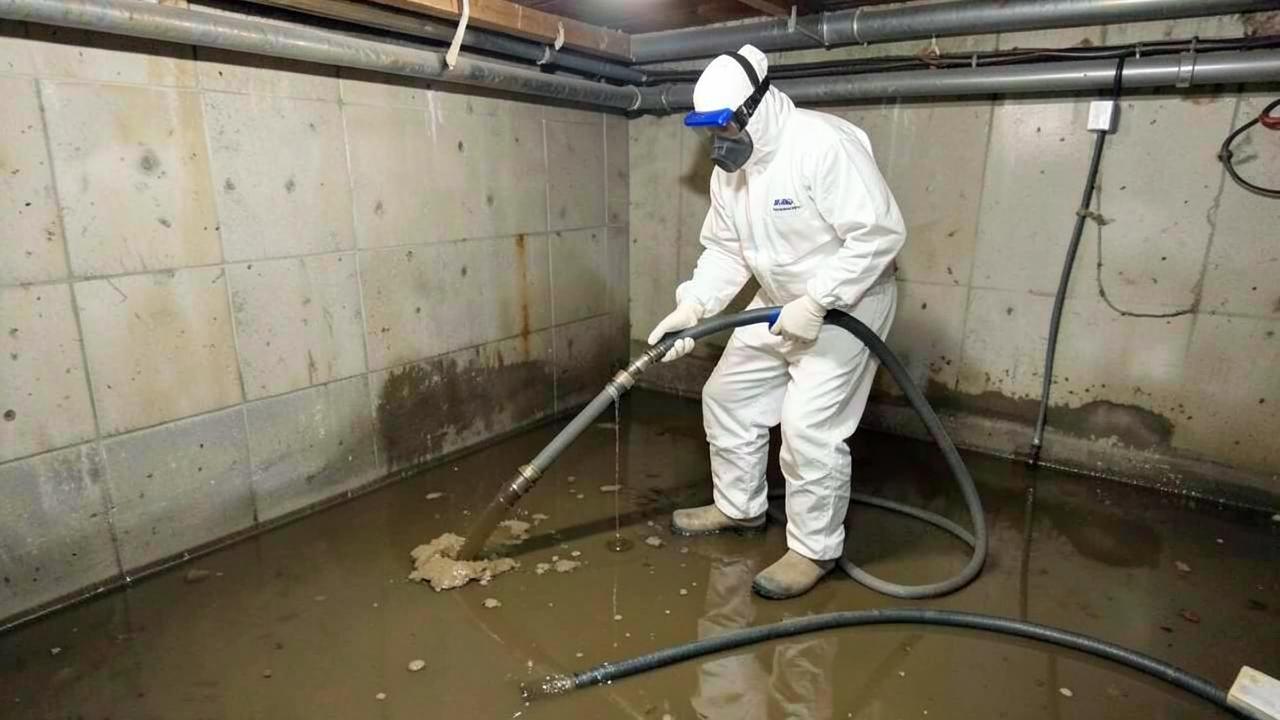
Watch the non-mold hazards: sewage or standing water, rodent droppings, sharp debris, low clearance, and old wiring. If sewage is present, the job changes character before the mold work starts. Our PPE guide covers selection by Condition and method.
What comes out of a crawlspace and what gets cleaned?
Insulation, debris and the old vapour retarder come out; framing and subfloor are cleaned in place. Fibreglass batts with growth or heavy settled contamination are removed and bagged, the ground is cleared of organic debris, and the wood is HEPA vacuumed and then cleaned by an appropriate method.
Order the work so you are not recontaminating: remove first, clean structure second, install the new vapour retarder last. If the wood is wet, dry it to a documented dry standard before anything gets covered or encapsulated — trapping moisture under new poly is how a job comes back. Our sister site WRTTraining.com covers the drying side in detail, and preventing regrowth covers what has to hold after you leave.
Does the crawlspace need to be encapsulated afterwards?
Encapsulation is a moisture-control measure, not a remediation method, and it belongs after cleaning and drying. A sealed and conditioned crawlspace addresses the ground evaporation and the humid-air intrusion that caused the growth in the first place, which is why it so often ends up attached to these jobs.
Whether it is in your scope or somebody else’s, put it in writing with the sequence and the responsibility spelled out. A vapour retarder installed over uncleaned, wet framing solves nothing and hides the evidence — and if the customer declines the moisture work, that declination belongs in the file.
How do you verify and close out a crawlspace job?
Verification is the same standard as anywhere else: an independent IEP, visual criteria first, and whatever sampling the protocol calls for. Have the cavity cleared of debris, surfaces HEPA vacuumed, moisture logs complete and containment still in place when they arrive — see post-remediation verification.
The closeout file should carry before and after photos, moisture readings by location and date, waste documentation, the scope, the PRV report and a clear statement of the moisture corrections completed and outstanding. Work the remediation checklist as you go rather than rebuilding the file from memory afterwards.
What non-mold problems turn up in crawlspaces?
Crawlspaces hide more than mold, and the extras change the job. Standing water, failed sump pumps, sewage from a broken line, rodent and insect activity, damaged ductwork and old wiring all show up regularly, and each one either adds scope or stops work until somebody else deals with it.
Sewage is the one to be clearest about. Category 3 water carries its own handling requirements and it is not a line you absorb quietly into a mold scope, so identify it, document it, and price it as its own phase. Rodent contamination is similar: it is a distinct hazard with its own cleaning and PPE considerations, and it belongs in writing rather than in the crew's discretion.
Structural problems deserve a mention too. Rotted joists, sagging subfloor and failed piers are a contractor's work, not a remediator's, and finding them mid-job is a change-order conversation. Note them, photograph them, and put them in the exclusions section of the scope so the customer knows they are outstanding.
How do you keep a crawlspace job from coming back?
Fix the water and the humidity, or the growth returns. The cleaning is the visible part of the work and the moisture control is the part that determines whether you are back in two years.
The usual measures, in rough order of impact: correct the exterior grading and get downspouts discharging away from the foundation, address groundwater with drainage where it is present, install a properly lapped and sealed vapour retarder over the soil, deal with plumbing leaks and sweating ducts, and then manage the cavity humidity - sealing and conditioning the space, or dehumidification where the design calls for it.
Whichever measures are in scope, write down which ones were completed, which were declined, and which belong to another trade. That paragraph in the closeout file is what protects you when somebody calls about a smell next summer, and it is covered in preventing mold regrowth.
How do you price crawlspace remediation?
Price it by component with a labour factor for access. Setup and containment, insulation and debris removal, structural cleaning by square foot, air filtration, drying, vapour retarder replacement, verification — then adjust labour for clear height, because an eighteen-inch crawl is a different job from a four-foot one at identical square footage.
Load your own rates into the cost calculator and let the affected-area inputs do the arithmetic. If you are studying rather than estimating, crawlspace scenarios appear on the exam for the same reason attic ones do — read the AMRT certification guide and run the practice questions.