Mold biology is the foundation the whole S520 sits on. If you understand what mold needs, how it reproduces and why it appears where it does, most remediation decisions stop being rules to memorise and start being obvious. This is the working technician’s version — enough biology to scope a job and pass the exam, without the microbiology degree.
What is mold?
Mold is a fungus — a group of organisms that live by digesting organic material rather than by photosynthesis. Fungi are decomposers by trade: in a forest they break down dead wood and leaves, and in a building they do the same thing to the wood, paper and dust we build with.
That framing is worth holding onto, because it explains everything else. Mold in a house is not an invasion; it is an organism doing its normal job on materials that got wet. Remove the water and you remove the reason it is there — which is why the S520 sequence begins with moisture control, not with cleaning.
What does mold need to grow?
Mold needs moisture, a food source, suitable temperature and time. Three of those are already present in every building — the food, the temperature and the time — which is why moisture is the one you control.
Moisture arrives as leaks, floods, condensation or sustained high humidity. It does not take standing water; elevated humidity against a cool surface is enough. Food is anything organic: paper facing on drywall, wood, dust, adhesives, soil, textiles. Even inorganic surfaces support growth once dust settles on them. Temperature is comfortable indoor temperature — the range that suits people suits mold. Time is short: growth on wet organic material is commonly discussed in terms of a day or two rather than weeks, which is why response speed matters.
The practical takeaway is the one the exam wants: control the moisture and you control the growth. Mold after water damage covers that timing question in the field.
How does mold reproduce and spread?
Mold reproduces by releasing spores — small, light, durable reproductive units that travel on air currents. Spores are everywhere already, indoors and out, which is why the goal of remediation is normal fungal ecology rather than sterility.
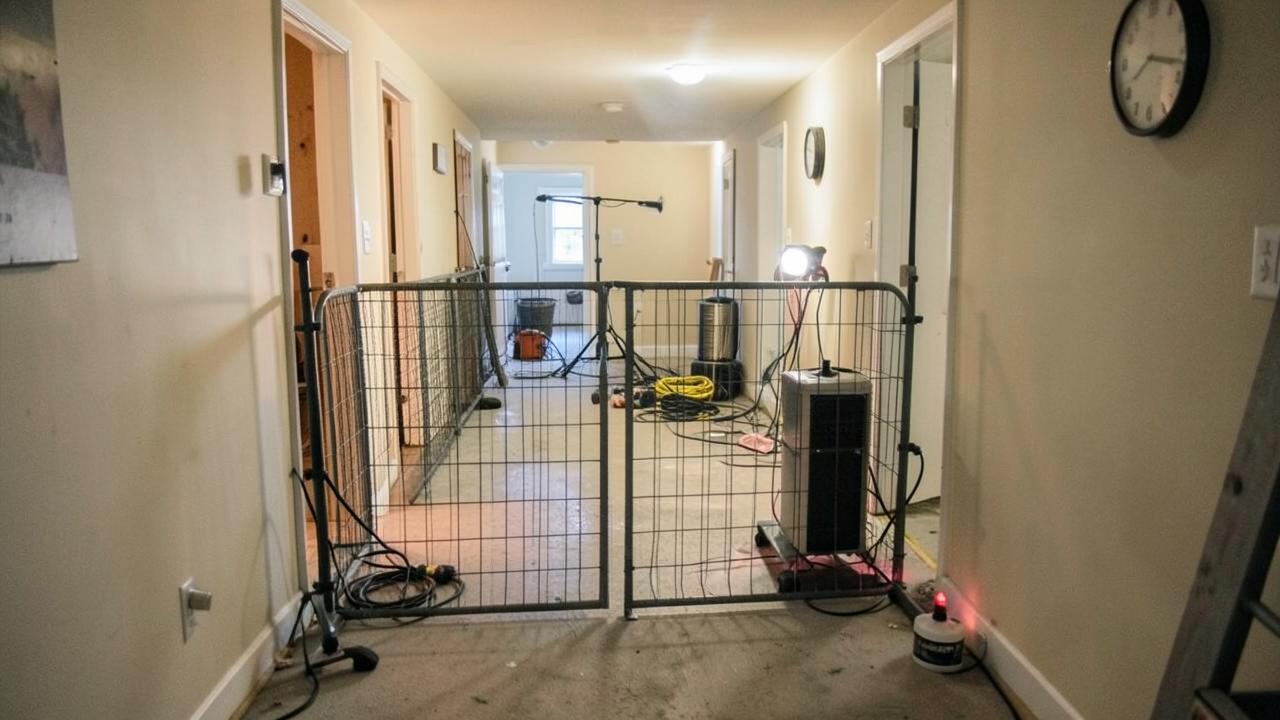
Spread indoors happens by air movement, by physical contact, and by the HVAC system, which is purpose-built to move air everywhere in the building. That is why isolating HVAC is an early control — see HVAC contamination — and why disturbance without containment turns one contaminated room into several.
Spores can also stay viable while conditions are unfavourable and grow when moisture returns. A dried, uncleaned surface is not a resolved surface, which is the single biggest reason drying alone is not remediation.
What is hyphae, mycelium and the rest of the vocabulary?
A few terms carry most of the exam weight. Hyphae are the thread-like filaments that make up the fungal body; a mass of hyphae is mycelium; spores are the reproductive units; and the visible fuzzy or stained patch you find on a wall is colonisation of that material.
Two more worth knowing: hyphal fragments — broken pieces of the fungal body that become airborne along with spores, which is why filtration and cleaning target particulate rather than just spores — and mycotoxins, compounds some fungi produce, which is a health-effects topic rather than a scoping one. The AMRT flashcards drill these terms; they are the sort of thing that either comes instantly on exam day or costs you time.
Why does mold grow where it does in buildings?
It grows where moisture meets organic material and stays there. That is why growth appears on north-facing sheathing, behind vinyl wallpaper on exterior walls, under sinks, on the cold side of uninsulated ducts, and in crawlspaces above bare soil.
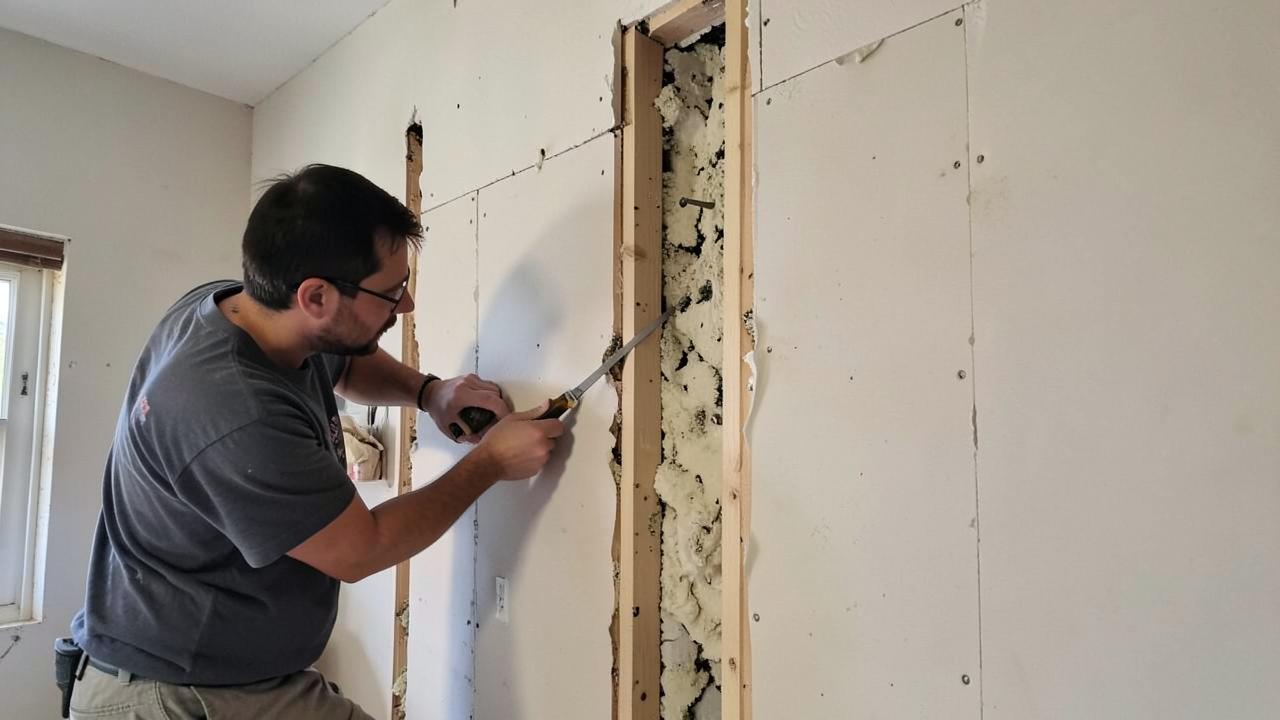
Reading a building for these patterns is the diagnostic skill that separates a scope from a guess. Growth following a framing bay suggests condensation; growth around a single penetration suggests a leak; growth low on a wall suggests wicking. Hidden growth is common, which is why moisture meters and thermal imaging matter more than a flashlight.
Is black mold a real category?
“Black mold” is a popular term, not a scientific classification. Many fungi are dark coloured, colour does not reliably indicate species, and species identification requires laboratory analysis rather than a look at a wall.
For remediation purposes, this matters less than customers expect: the S520 approach is driven by the Condition, the extent and the materials involved, not by which species is present. Health questions belong to health professionals, and species questions belong to a laboratory and an independent IEP. Answering “we treat all growth as something to remove properly” is both accurate and the right professional posture.
How does mold biology drive the S520 Conditions?
The three Conditions are a biology statement in classification form: Condition 1 is normal fungal ecology, Condition 2 is settled spores and fragments without growth, and Condition 3 is actual growth. Each describes what is biologically present in a defined area.
Once you see the Conditions as biology, the scoping follows. Condition 3 means an organism is colonising a material, so the material is removed or cleaned. Condition 2 means particulate has settled, so the area is cleaned. Condition 1 is the target end state. Read Conditions 1, 2 and 3 explained next — it is the direct application of everything above.
Does killing mold count as remediation?
No. Remediation removes contamination; it does not simply deactivate it. Dead spores and fragments are still particulate, they are still on the surface, and they can still be disturbed into the air.
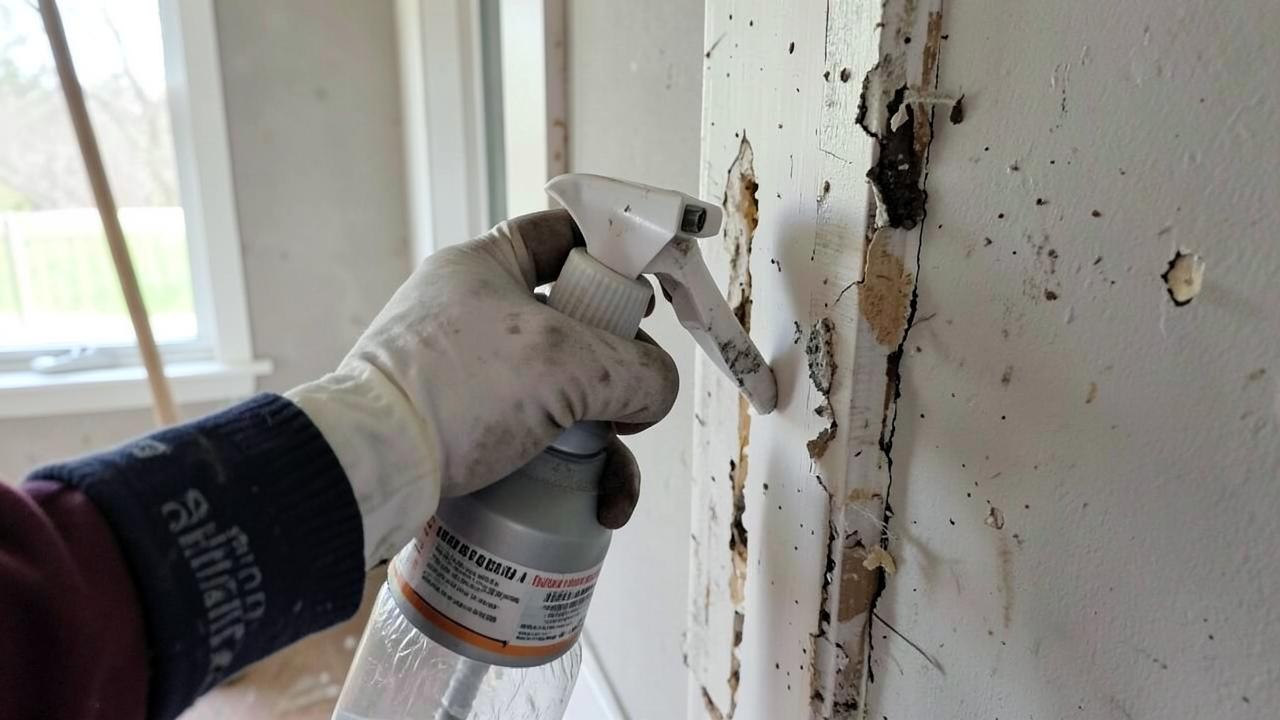
That is why the S520 approach centres on source removal and physical cleaning rather than on treating surfaces with a product. Biocides and antimicrobials have specific, limited roles and are used according to their labels, but spraying a contaminated surface is not a substitute for removing or cleaning it - and neither is painting over it. If a customer or a competitor is offering a spray-and-go solution, the biology is the reason it does not work.
Why is the goal normal fungal ecology rather than zero mold?
Because spores are a normal part of every indoor and outdoor environment, and no building is or can be sterile. The realistic and defensible target is an indoor environment comparable to a normal, unaffected one - Condition 1.
This is worth being able to explain to a customer, because it answers the two questions they always ask: whether all the mold will be gone, and whether it can come back. The accurate answers are that the growth and the contamination it generated are removed and the area is returned to a normal condition, and that it can return only if moisture returns. Which puts the conversation back where it belongs - on the water.
What biology is on the AMRT exam?
Expect growth requirements, reproduction and spread, basic terminology, and why remediation targets moisture and material rather than species. The exam uses biology as the reasoning behind method questions more than it asks biology questions on their own.
Drill the vocabulary with the flashcards, then test the reasoning with the free practice questions. The AMRT certification guide covers what else is on the exam.