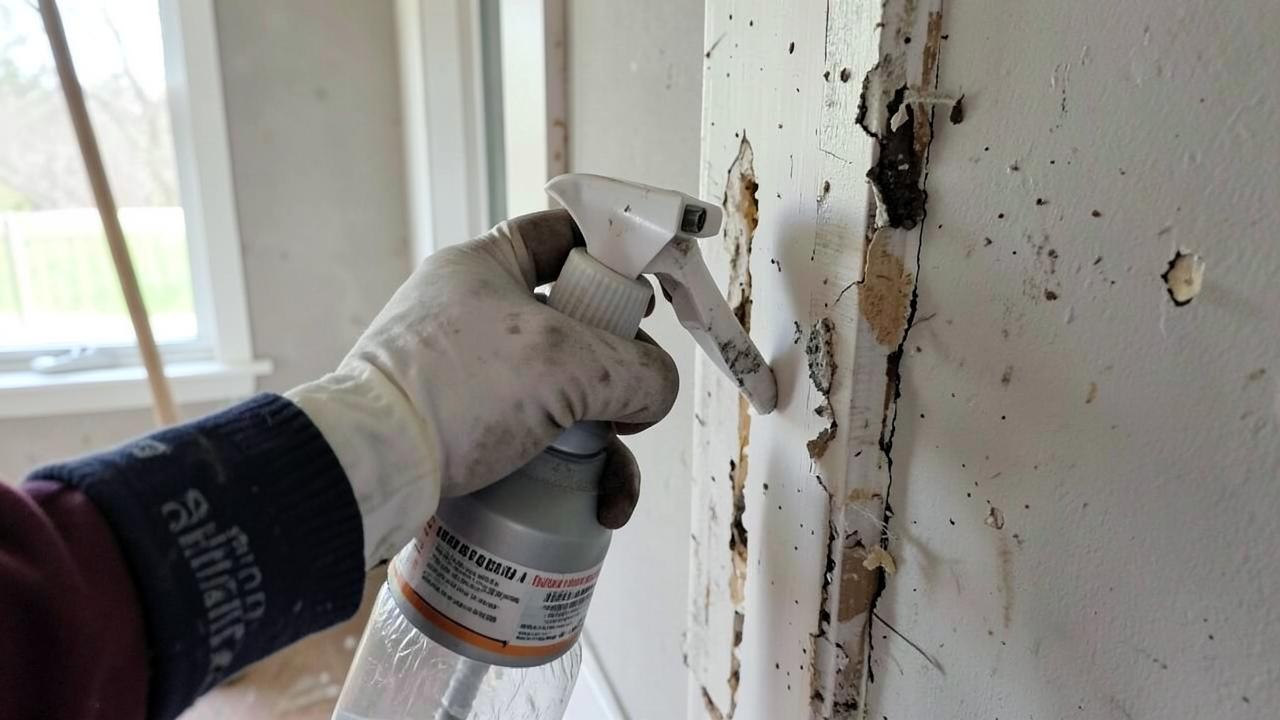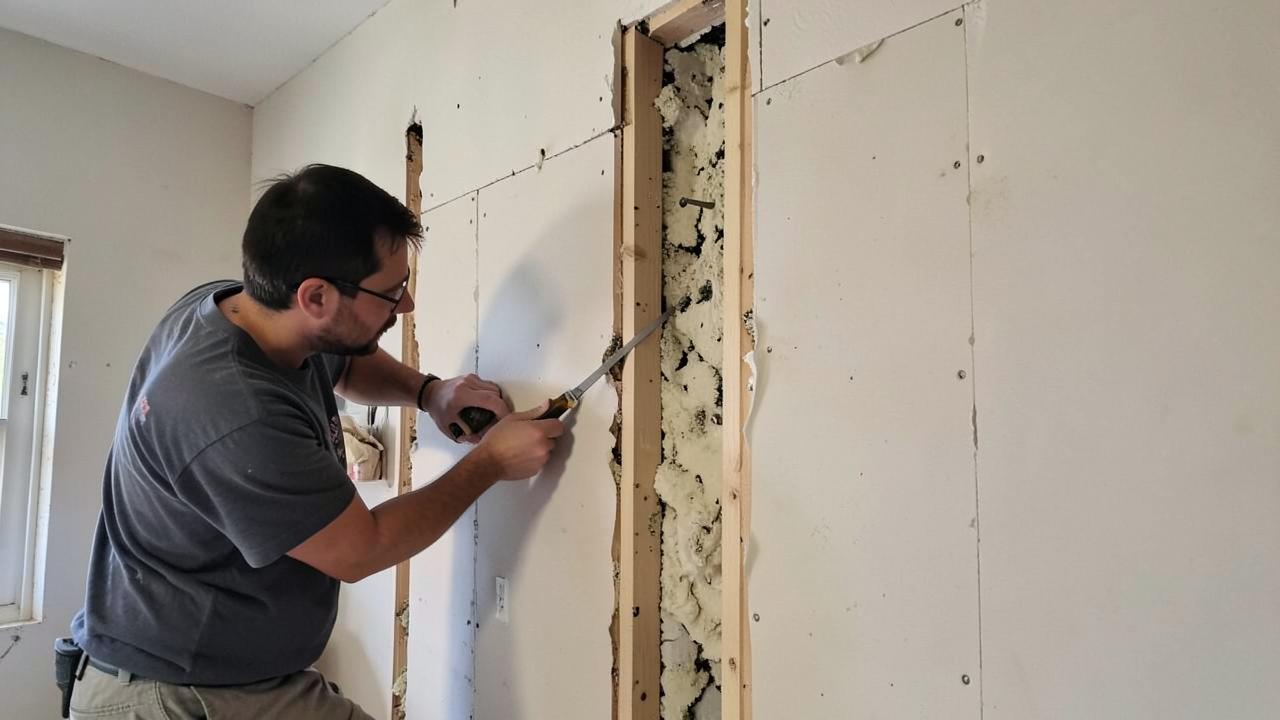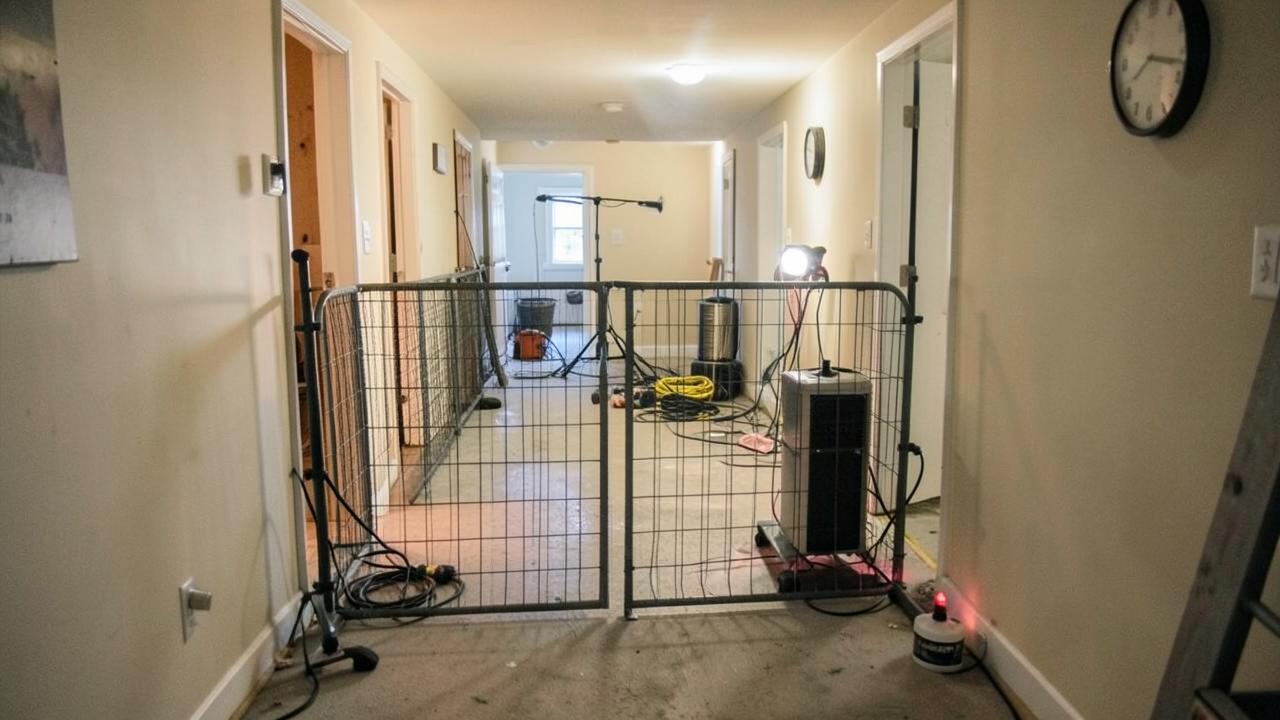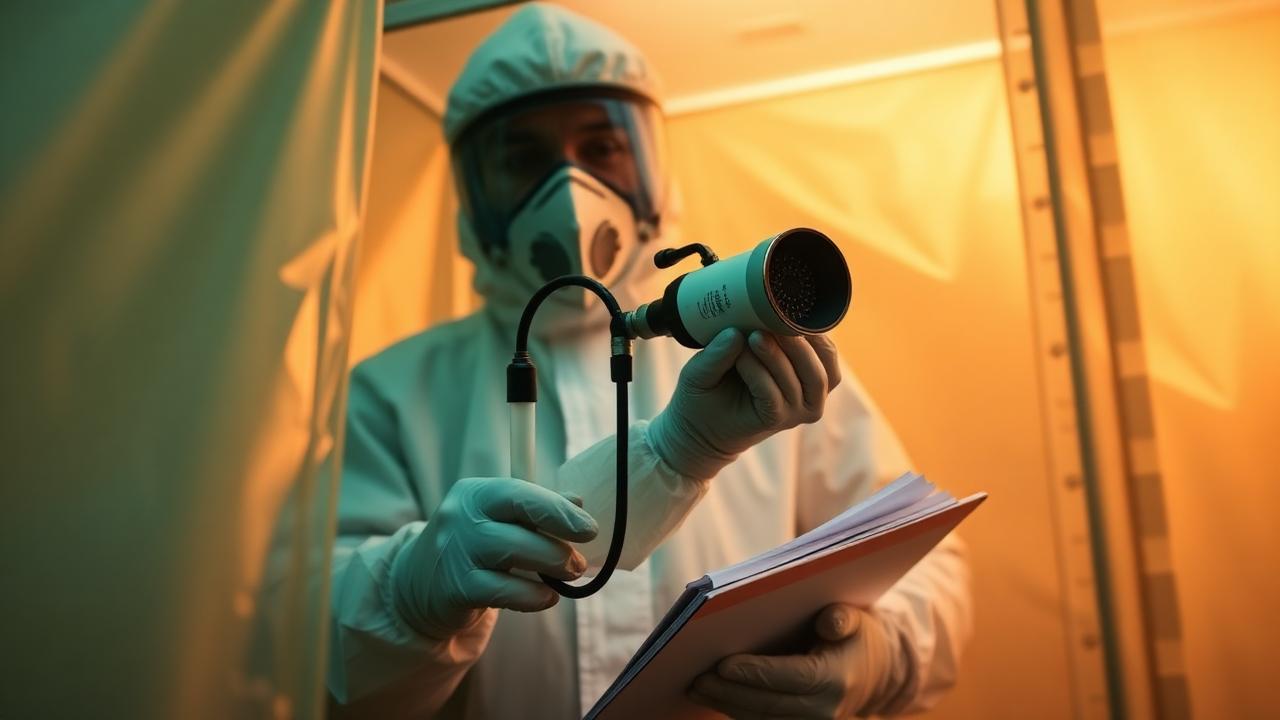
Post-remediation verification is the part of the job that decides whether the work counts. Everything before it is effort; the PRV is the independent statement that the effort worked. Here is who performs it, what they look at, how to be ready, and what happens when it fails.
What is post-remediation verification?
PRV is an independent evaluation, after remediation and before reconstruction, that the work area has been returned to the intended condition. It is normally a visual and documentation assessment first, with sampling used where the protocol or the situation calls for it.
The S520 frames the goal as returning the area to a normal fungal ecology — Condition 1 — rather than to a laboratory number. That is why the visual and moisture criteria carry so much weight: an area that is visibly clean, dry and free of debris is the thing being confirmed.
Who should perform the verification?
An independent indoor environmental professional, not the contractor who did the remediation. Independence is the point — a self-issued clearance has no value to an insurer, a buyer, a lender or a court, because the party being checked did the checking.
The credentials in this space are separate from remediation credentials, and IICRC remediation certifications are not assessor licences. Our mold inspector and assessor certification guide covers what the assessor side involves and how it differs from what you hold as a remediator, and several states go further by requiring the assessor and the remediator to be different parties — check mold remediation licensing by state.
What does the IEP actually check?
They check that the work area is visibly clean, dry, free of debris and free of remaining growth, and that the documentation supports it. Visual inspection comes first because it catches most failures before anyone opens a sample pump.
- No visible growth or settled debris on surfaces, including horizontal ledges and framing tops.
- No residual dust film on cleaned surfaces or in the containment.
- Materials dry to the documented dry standard, confirmed by meter.
- Removals complete to the scoped boundaries; nothing porous left in place that was scoped out.
- Containment intact and engineering controls still running.
- Moisture source corrected, or documented as corrected by others.
- Documentation complete: scope, photos, moisture logs, waste records.
Where sampling is used, it supplements the visual assessment rather than replacing it. Sampling decisions belong to the IEP and to the protocol, not to the remediator.
How do you get an area ready for verification?
Finish the cleaning, dry the materials, leave the controls running and the containment standing, then call. The single most common reason for a failed PRV is calling it in too early.
A ready area looks like this: detail cleaning complete including the tops of framing and every horizontal surface, HEPA vacuum pass done, all waste and equipment not in use removed, materials at or below the dry standard with readings logged, containment sealed, air filtration still running, and the file assembled. Work the closeout section of the mold remediation checklist line by line before you make the call.
What happens if verification fails?
You correct what failed inside the existing containment and re-verify. A failure is a work item, not a catastrophe, and the cheapest version of it is the one you catch during your own walkthrough first.
Typical failures and their fixes: residual dust on horizontal surfaces (another detail-clean and HEPA pass), a moisture reading above the dry standard (keep drying and re-log), a missed area behind an obstruction (remove, clean, re-inspect), an uncorrected moisture source (correct it or document who owns it), incomplete documentation (finish the file). Note the cause in the job record, because the same failure repeated across jobs is usually a process problem rather than a crew problem.
Who pays for a re-inspection?
That depends on the contract, which is exactly why it belongs in the contract. Say up front who pays for re-verification and under what circumstances, so the conversation happens before there is a failed report on the table.
The scope of work template has sections for verification criteria, who performs it, exclusions and the change-order process. Filling those in is a five-minute job at the start and saves a long argument at the end.
What goes in the PRV report and the closeout file?
The IEP issues their own report; your file has to stand next to it. Together they should let a stranger reconstruct the job: what was found, what was done, what it looked like before and after, and how it was confirmed.
Your side: the assessment and protocol, the scope of work, before and after photos by area, daily moisture and pressure logs, containment and equipment records, waste documentation, change orders and the sign-off. See mold remediation documentation for the full file structure — that post covers what to keep and for how long.
When can containment come down and reconstruction start?
After the verification passes — that is the whole point of doing it before reconstruction. Rebuilding over an unverified area buries any remaining problem behind new drywall, and the next person to find it will be a homeowner with a lawyer.
Sequence: PRV passes, containment comes down with a final HEPA pass on the way out, equipment decontaminated and removed, area released in writing, and reconstruction begins. If rebuild is in your scope, price it as a separate phase — it is priced separately in the cost calculator for the same reason.
What is the difference between verification and sampling?
Verification is the whole evaluation; sampling is one optional tool inside it. An area can be verified on visual and moisture criteria with documentation review and no samples at all, and many are.
Where sampling is used, it is the IEP's call, driven by the protocol, the occupants, the scope of the loss and often by the insurer or the buyer. What matters for you as the remediator is that sampling does not rescue a job that fails the visual criteria - dust on a ledge is a fail whether or not a pump runs afterwards - and that you should not be selecting or interpreting the samples on your own work.
Why can't the remediation contractor clear their own work?
Because the value of a clearance comes from its independence. A contractor confirming their own work has an obvious interest in the outcome, and every party who relies on the report - insurer, buyer, lender, attorney - knows it.
Some states go further and make the separation a legal requirement, prohibiting the same party from performing both the assessment and the remediation on the same project. Check what applies where you work at mold remediation licensing by state. Even where the law is silent, the professional practice is the same: build a relationship with an independent IEP and let them do the verification.
How does PRV appear on the AMRT exam?
Exam questions focus on independence, sequence and criteria: who performs verification, what it looks at, and what must be true before it happens. Answer from the principle that verification is independent and precedes reconstruction and you will handle most of them.
The AMRT certification guide covers format and prerequisites, and the free practice questions include clearance scenarios.