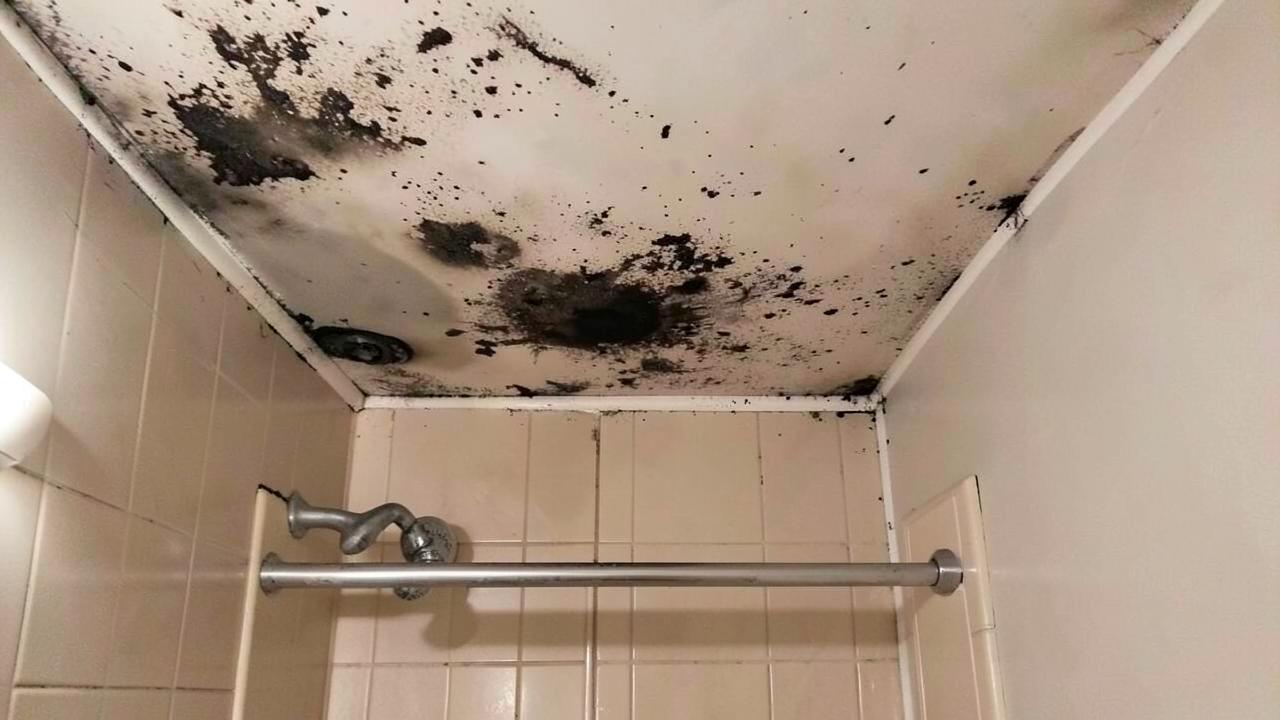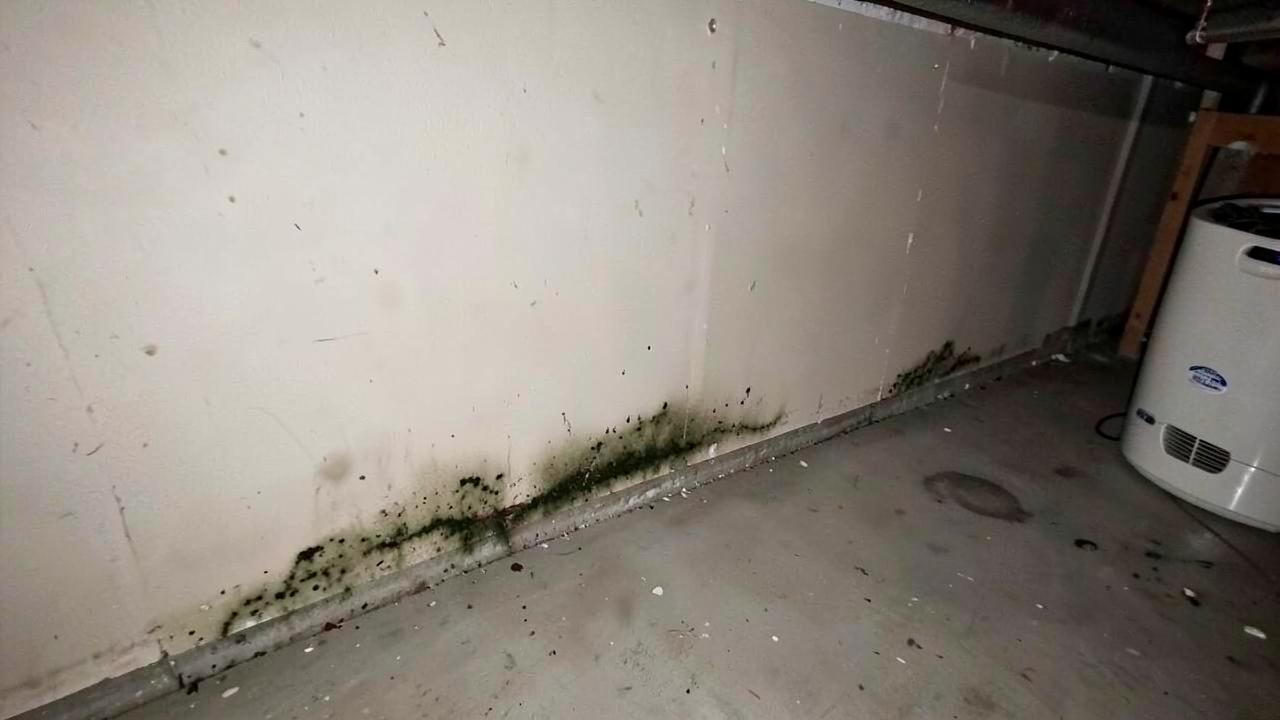
A sewage backup is not a water damage job with a bad smell. It is a contamination job that happens to involve water, and the difference decides what gets removed, what crew wears, and whether the building is safe to occupy while work is underway.
What is Category 3 water?
Category 3 is grossly contaminated water — sewage, toilet backflow beyond the trap, rising surface water, and water that has picked up contamination on its way through a building. The category describes what is in the water, not how much of it there is.
Two other facts matter for homeowners. Category 1 (clean) and Category 2 water can deteriorate to Category 3 with time, temperature and contact with contaminated materials, which is why a delayed clean water loss stops being a drying job. And category is reassessed as the job proceeds — it is not stamped once on day one.
Why is sewage cleanup an AMRT topic and not just a water topic?
Because the skills are the same ones mold work uses: containment, engineering controls, PPE selection, removal of porous materials, detailed cleaning and verification. The AMRT curriculum covers sewage remediation alongside mold for exactly that reason.
The drying side of the work — psychrometry, dehumidifier and air mover placement, the dry standard — belongs to water restoration and the S500. Our sister site WRTTraining.com covers that half. What follows is the contamination half.
What is actually in sewage water?
Sewage carries bacteria, viruses and parasites, along with organic soil that feeds further microbial growth. Any responsible description stops at those categories — naming specific organisms on a specific job requires laboratory work that almost nobody orders on a residential backup.
That uncertainty is the reason the response is procedural rather than diagnostic. You do not test to find out how careful to be; you treat all Category 3 water as contaminated, remove what it soaked, and clean what it touched. The CDC's mold and flood cleanup guidance takes the same posture for occupants.
What gets removed and what gets cleaned?
Porous materials that absorbed Category 3 water are removed. Non-porous and most semi-porous materials that can be cleaned, rinsed and verified are cleaned in place.
- Removed: carpet and pad, wet insulation, particleboard and MDF, upholstered contents, drywall to a defined height above the water line, and any material with visible structural deterioration.
- Cleaned: framing, concrete, sealed masonry, tile and hard surfaces, and durable contents — HEPA vacuumed where dry soil is present, then washed, then rinsed.
- Judgement calls: hardwood, cabinetry and subfloor, where the decision turns on how long the water sat, how far it wicked, and whether the underside can be accessed and verified.
Removal height is not a formula; it is set by how far moisture travelled, confirmed with meters, not by a habit of cutting two feet. Documenting that decision per area is what a scope of work is for.
Why can't sewage damage just be dried in place?
Because drying removes water and leaves contamination. A dried carpet pad that held sewage is a dry pad full of bacteria and organic soil, and the first humid week gives it everything it needs to become a mold problem on top of the original one.
Drying still happens — after removal and cleaning, the remaining structure has to reach the dry standard before rebuild. The order is the point: decontaminate, then dry, then close the wall.
What PPE does Category 3 work require?
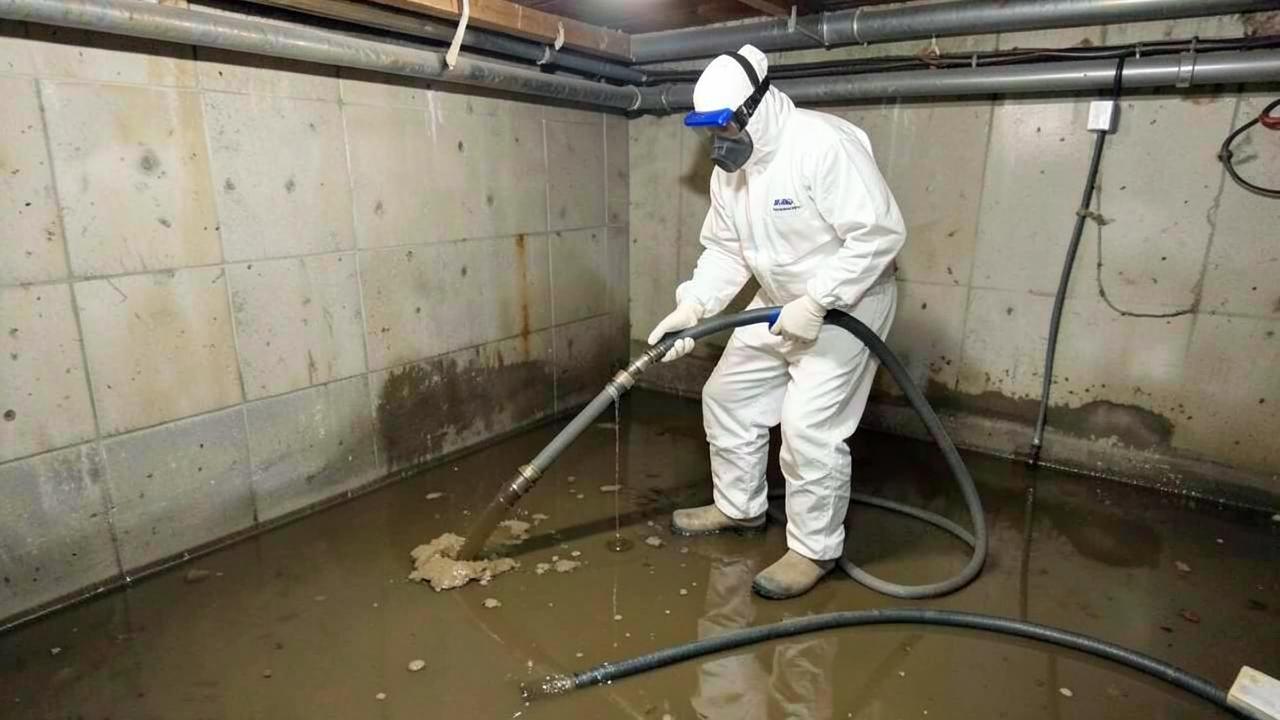
At minimum, full-body protection, gloves suited to wet contaminated work, eye protection and respiratory protection appropriate to the exposure — typically a half or full-face respirator with particulate filtration, upgraded when aerosol-generating work or confined spaces are involved.
Respirator use in a workplace brings the OSHA respiratory protection standard with it: written programme, medical evaluation, fit testing and training. Our PPE by Condition guide covers selection, and the same donning and doffing discipline applies here — contaminated PPE tracked through a clean hallway undoes the containment behind it.
What does containment look like on a sewage job?
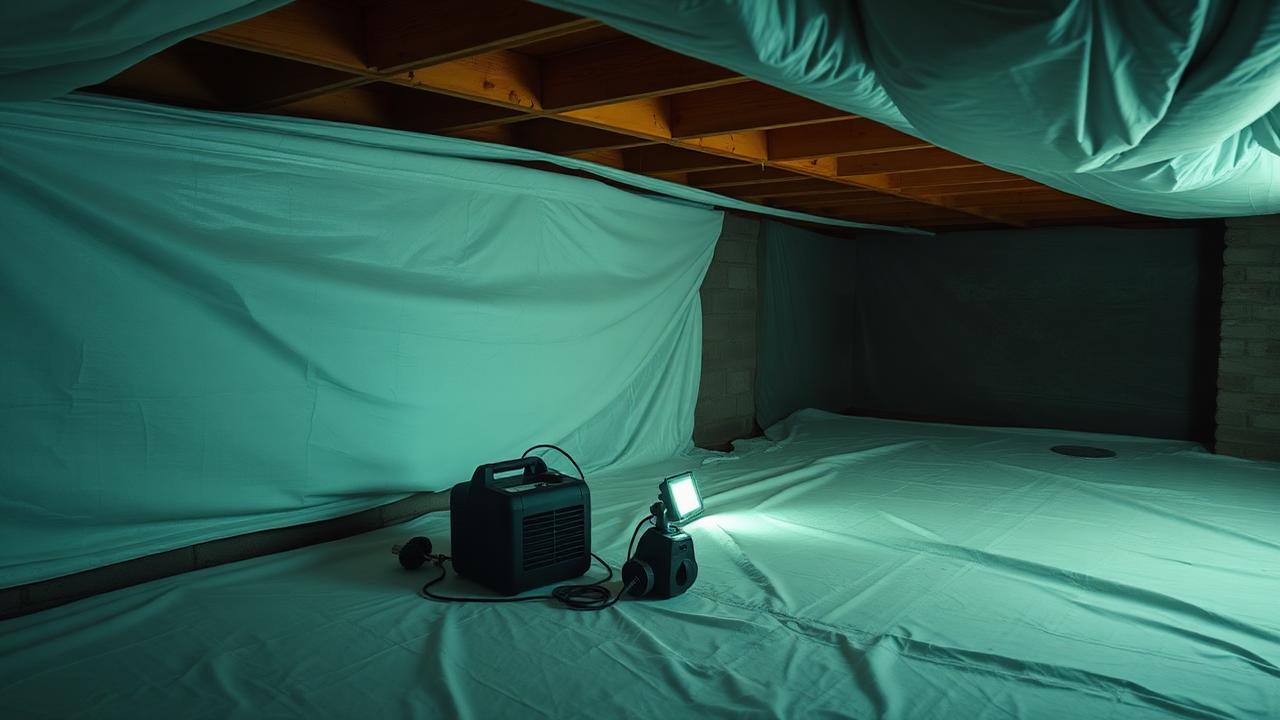
The same engineering controls a Condition 3 mold job uses: physical barriers around the work area, negative pressure with HEPA filtration exhausted appropriately, HVAC shut down and openings sealed, and a defined path for waste to leave the building.
Size the air filtration to the room rather than to what is on the truck — the air changes per hour calculator turns room volume and target ACH into the CFM you need. Containment types explained covers when limited containment is enough and when the job needs a full build with a decontamination chamber.
Who should be in the building during the work?
Occupants should be out of the affected area, and vulnerable occupants should be out of the building while Category 3 work is underway. That is a judgement made with the owner, and it belongs in writing before the crew arrives.
Contents matter too. Anything porous that absorbed the water leaves with the debris; durable contents get cleaned, photographed and inventoried. The inventory is not busywork — it is the document that settles the conversation with the adjuster three weeks later.
How is the work verified as finished?
Visually, first: no residual soil, no debris, no odour source, all removal complete. Then by moisture — the structure has to reach the dry standard — and, where a protocol or a client requires it, by sampling arranged through an independent party.
A working checklist keeps closeout from drifting; the printable remediation checklist follows the same sequence. And because sewage losses are frequently insurance claims, the photo set, moisture logs and disposal records carry the file — see documentation that holds up.
What does this cost, and who is allowed to do it?
Cost is driven by the same factors as a mold job: affected area, how much material comes out, containment complexity, contents, and rebuild. The cost calculator lets you model the scope before you look at a bid.
Licensing is a state question. Several states license mold remediation specifically, and some regulate related work — check licensing by state. On the training side, mold remediation certification and the AMRT credential are what cover this material formally; the practice exams and flashcards are how technicians drill it before the test.