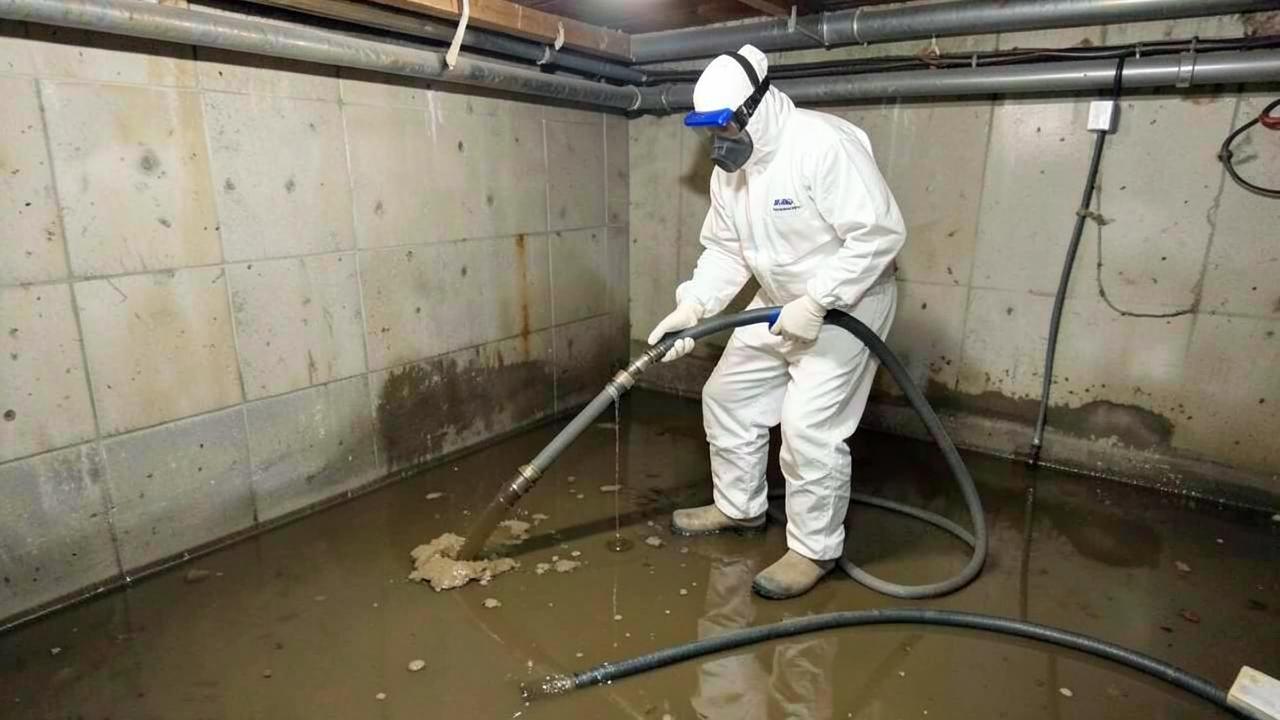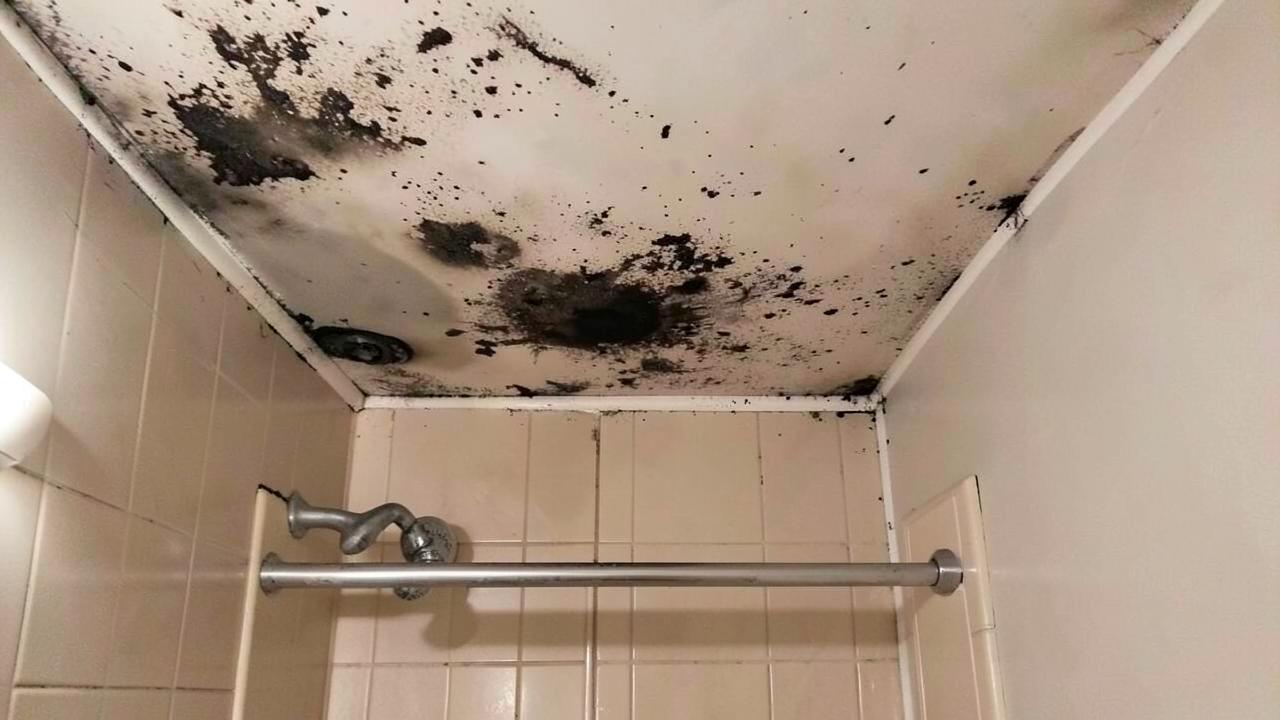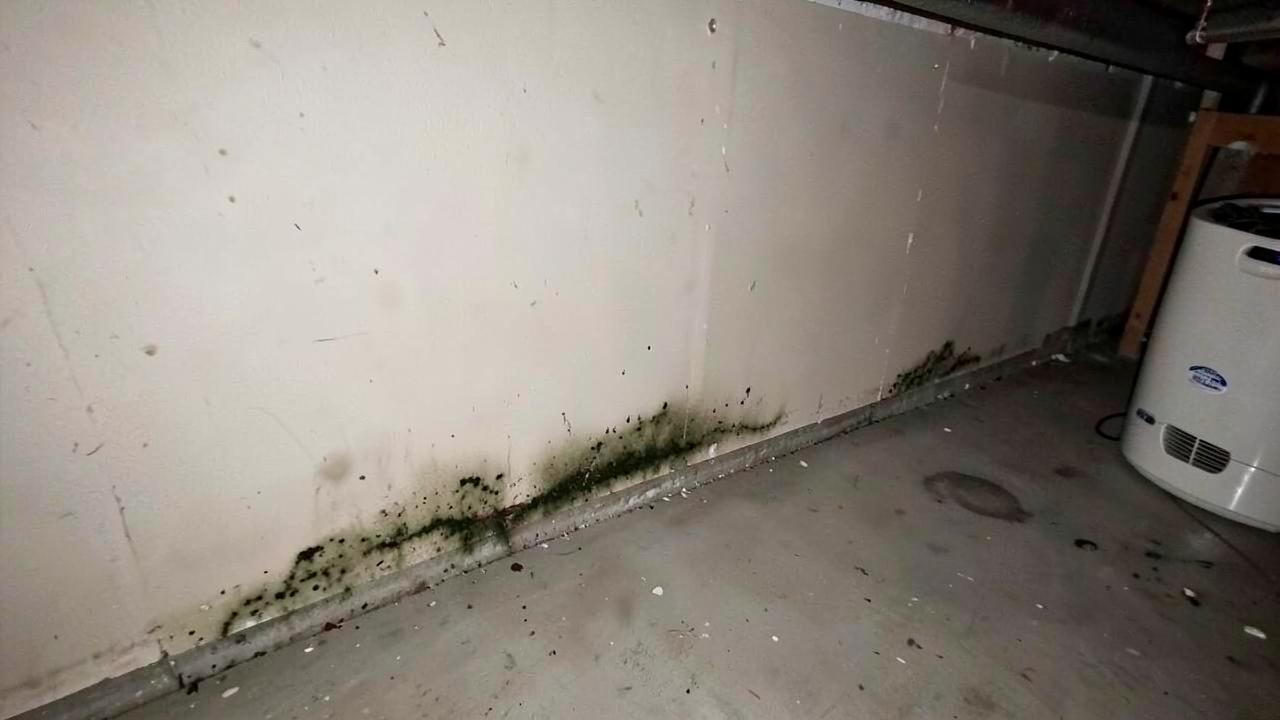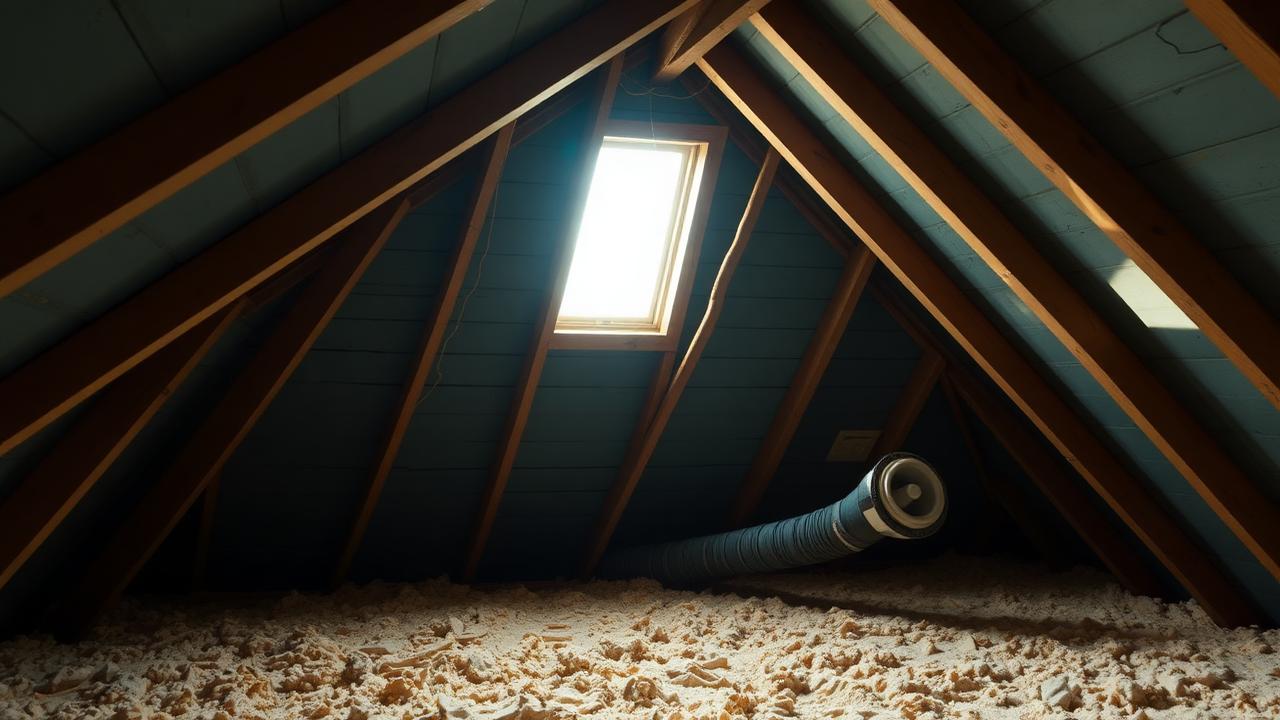
Attic mold jobs look simple from the driveway and rarely are. The growth is usually the symptom of a ventilation or air-leakage problem, the work happens in a hot, tight space with no floor, and the customer is often selling the house next month. This is how the job runs from the first inspection to the signed clearance, using the ANSI/IICRC S520 sequence.
What causes mold in an attic?
Attic mold is almost always a moisture-and-ventilation problem, not a roof-leak problem. Warm, humid air leaks up from the living space, hits cold sheathing in winter, condenses on the underside of the roof deck, and feeds growth on the wood — which is why the pattern usually follows the framing bays and the north-facing slope rather than a single stain.
The usual sources, in rough order of how often you will find them: bath and dryer exhaust fans terminating in the attic instead of outside, gaps around can lights and top plates, an unsealed attic hatch, blocked soffit vents packed with insulation, and an unbalanced ridge-to-soffit ventilation path. Actual roof leaks do happen, but they leave localised staining around a penetration rather than the broad, even distribution you get from condensation.
This matters for your scope because remediation without correcting the source is a warranty claim waiting to happen. The S520 sequence starts with moisture control for exactly this reason, and it is the first line item on our mold remediation checklist.
How do you assess an attic before writing a scope?
Walk the attic before you price it, and classify each area rather than the attic as a whole. Sheathing with visible growth is Condition 3; insulation and framing downwind of it that has collected spores and fragments without growth is Condition 2; the rest may be Condition 1 — see Conditions 1, 2 and 3 explained.
Photograph everything before you touch it: the growth pattern, the exhaust terminations, the soffit vents from inside, the insulation depth, the hatch seal, and any staining. Take moisture readings on the sheathing and framing in several bays; attics swing seasonally, and a dry reading in August tells you nothing about January without the condensation story to go with it. Note the roof deck material, because plywood, OSB and plank decking behave differently under abrasive cleaning.
Measure the space while you are up there. You need the square footage of affected sheathing for the scope and the cubic volume for air filtration sizing. Both feed straight into the mold remediation cost calculator and the air changes per hour calculator.
Do you need containment in an attic?
Almost always yes, but the containment is usually at the hatch rather than around the work. The attic is the contaminated space; your job is to keep what you stir up from falling into the living area below, so the critical barrier goes at the access point with a decon path on the clean side.
A typical attic setup: poly and a zipper door over the hatch, floor protection and a walk-off on the occupied side, HVAC in the attic shut down and its returns and supplies sealed, and negative pressure established in the attic itself so air moves up and out rather than down into the house. If the air handler lives in the attic, treat it as part of the contaminated space and read the HVAC contamination guide before you touch it.
Verify the pressure differential rather than assuming it. An attic leaks in every direction — soffits, ridge, gable vents, penetrations — and a machine that would hold a bathroom easily can fail to pull an attic negative. The containment types guide covers barrier construction; the ACH calculator covers the machine count.
How much air filtration does an attic need?
Size air filtration by the volume of the attic, not the floor area of the house. Attic volume is irregular, so approximate it with the footprint multiplied by the average height under the ridge — roughly half the peak height for a simple gable — and run that figure through the ACH calculator to get the CFM you need for your target air changes.
Two practical adjustments. First, derate the machine: a negative air machine on long ducting through a hatch and out a window moves noticeably less air than its rating, and the calculator lets you account for that. Second, plan the exhaust path before you set up — running ducting out a gable vent or a window is usually cleaner than pushing air through the house.
What PPE does attic mold work require?
Attic work sits at the demanding end of PPE selection because the exposure is overhead, the space is hot, and the disturbance is constant. Full-face respiratory protection, disposable coveralls with hood, gloves and eye protection are typical for Condition 3 removal and abrasive cleaning overhead.
Heat is the real hazard on these jobs. Suited work in a summer attic burns crews out fast, so plan short rotations, cool-down breaks and water, and schedule the heaviest work early in the morning. Our PPE by Condition guide covers selection and the donning and doffing sequence at the decon point.
What actually gets removed versus cleaned in an attic?
Structural wood is normally cleaned in place; insulation is normally removed. Sheathing and framing are semi-porous and expensive to replace, so HEPA vacuuming followed by an appropriate abrasive or surface-cleaning method is the usual approach, while contaminated batts and blown-in insulation come out and go in bags.
Abrasive methods on a roof deck need care and a plan for the debris they generate: heavy pre-cleaning, negative pressure running the whole time, and a thorough HEPA pass over every horizontal surface afterwards, including the top plates and any ductwork left in place. Where staining remains after cleaning, say so in writing — cosmetic staining on old sheathing is common and is not the same as remaining growth, and the distinction belongs in the report rather than in a phone call later.
Coatings are a separate decision from remediation. If an encapsulant is being applied, it goes on after cleaning and after the surfaces are dry, and it is scoped and priced as its own line item — put it in the scope of work so nobody treats it as a substitute for removal.
How do you close out an attic job?
Close out with verification, not with a broom. Independent post-remediation verification by an IEP is the standard path where the customer is selling, refinancing or filing a claim, and it is the only version of “clear” that carries weight with a third party — see post-remediation verification.
Before the IEP arrives: insulation reinstalled or explicitly excluded, all debris removed, every horizontal surface HEPA vacuumed, ventilation corrections completed or documented as a separate trade, and the containment still standing. Hand over photos, moisture logs, waste documentation and the scope. If the ventilation fix is somebody else’s job, name that in the report — the file should make clear that the moisture source was identified and who owns it.
How is an attic job estimated?
Estimate attic work in the same components as any other mold job: setup and containment, insulation removal and disposal, cleaning by square foot of affected surface, air filtration, PPE and labour burden for a hot confined space, verification, and any reinstallation. Access difficulty and headroom drive the labour figure more than the square footage does.
Run the components through the cost calculator with your own rates loaded, and estimate the insulation area separately from the sheathing area — they are different quantities doing different work in the estimate. Then check the scope against the checklist before it goes out, so the price and the written scope describe the same job.
Where does this show up on the AMRT exam?
Attic scenarios are a favourite exam setting because they combine a moisture source, a Condition classification and an engineering-control decision in one question. Expect to be asked what you correct first, where the critical barrier goes, and how you would verify the work.
If you are studying for the exam, the AMRT certification guide explains the format and prerequisites, and the free practice questions run the same kind of scenarios you will see on test day.