PPE selection on a mold job is a judgement call, not a uniform. The same crew might work in an N95 and gloves in the morning and full-face respirators and suits in the afternoon, because the exposure changed. Here is how selection works under the ANSI/IICRC S520, why the Condition alone does not decide it, and how to run donning and doffing so the PPE actually protects anyone.
What decides the PPE level on a mold job?
Exposure decides it, and exposure comes from the Condition, the extent of contamination, the method you are using and the duration of the work. A large Condition 3 removal using dust-generating methods is a different exposure from wiping down a small Condition 2 surface, even though both are “mold work.”
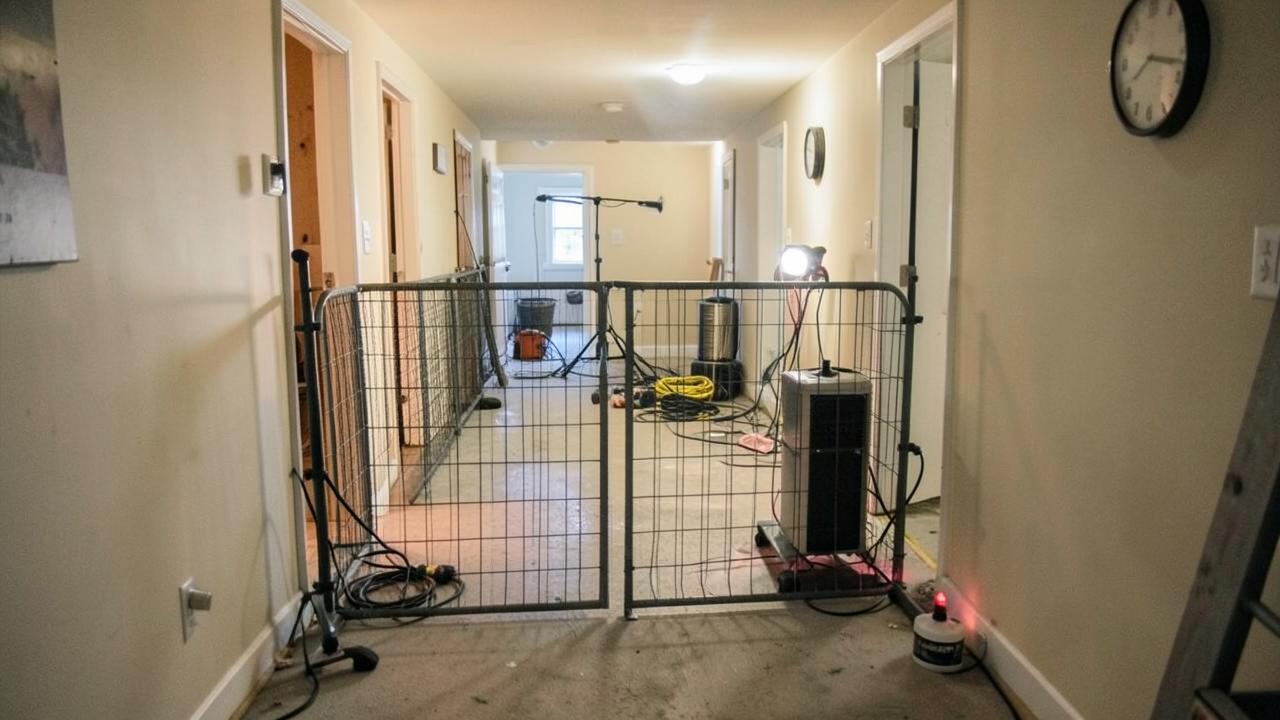
The S520 treats PPE as the last line of defence, after engineering controls. That ordering is not academic: containment, negative pressure and HEPA filtration reduce what is in the air, and PPE protects the worker from what is left. Skipping the controls and upgrading the respirator is backwards.
What PPE fits Condition 1 areas?
Condition 1 is normal fungal ecology — no growth, no elevated settled contamination — so work there carries ordinary jobsite PPE rather than mold-specific protection. Standard eye protection, gloves and whatever the task itself requires is usually the whole story.
The caveat is that Condition 1 is a classification of a defined area at a point in time, and a clean adjacent room is Condition 1 only until your work makes it something else. That is what containment is for — see Conditions 1, 2 and 3 explained.
What PPE fits Condition 2 work?
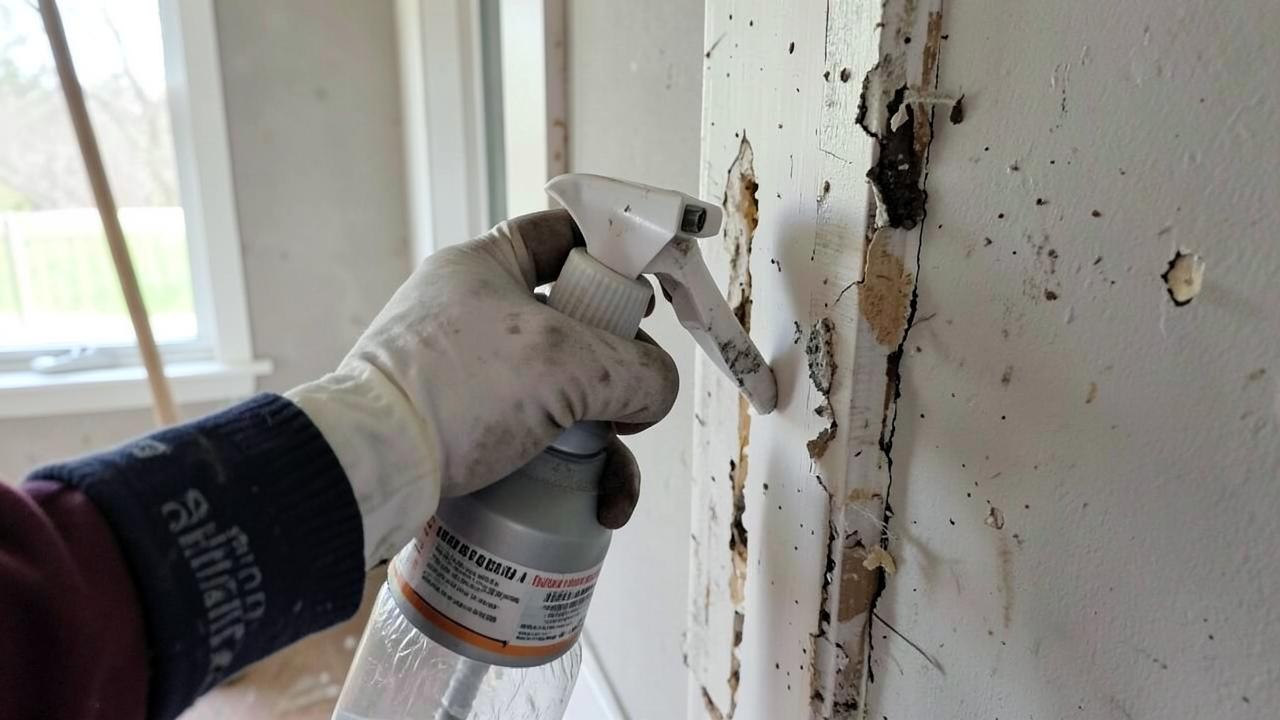
Condition 2 means settled spores and fragments without growth, and the hazard is what you put back into the air while cleaning. Respiratory protection, gloves and eye protection are typical, with coveralls added when the cleaning is extensive or overhead.
Method matters more than the label here. HEPA vacuuming and damp wiping a small area is a modest exposure; aggressive dry cleaning of a large settled area is not, and it gets treated closer to Condition 3 work. If you find yourself arguing that a job is “only Condition 2” while watching dust rise, the method has outrun the classification — Condition 2 vs Condition 3 covers that call.
What PPE fits Condition 3 removal?
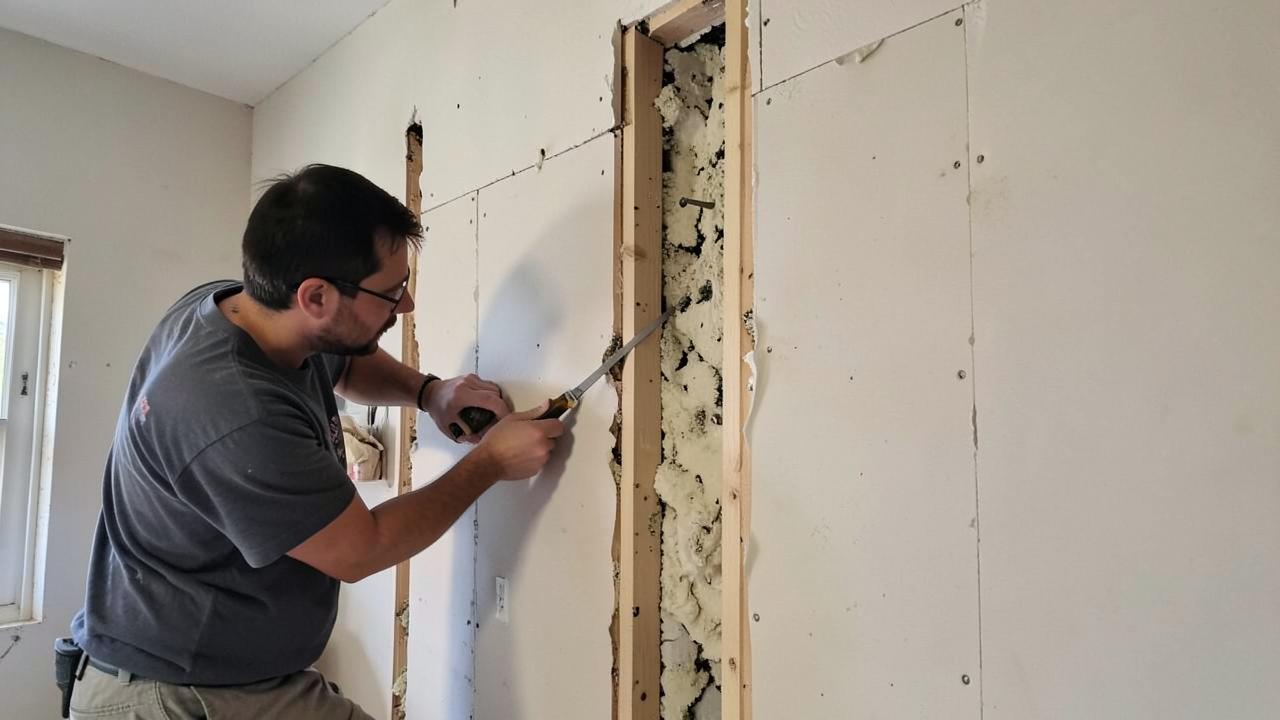
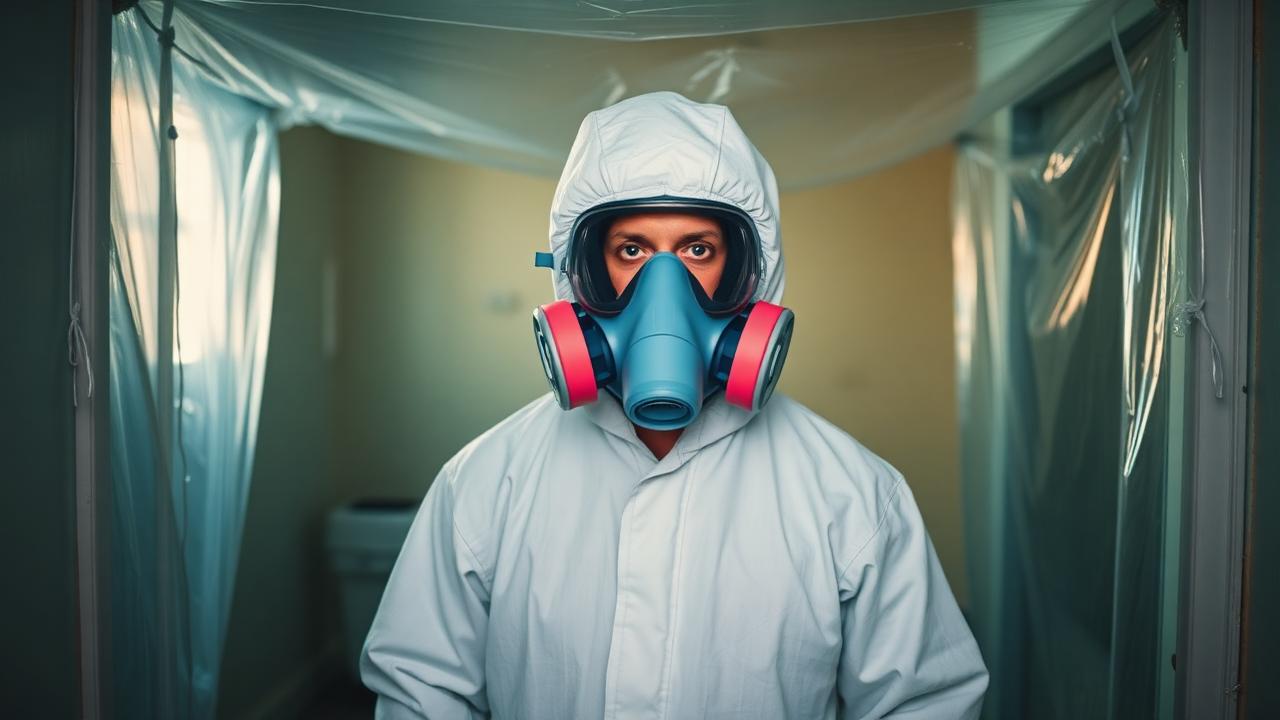
Condition 3 work with active removal is the high end of routine mold PPE: greater respiratory protection, full disposable coveralls with hood, gloves and eye protection appropriate to the respirator, plus foot protection that does not walk out of the containment.
Upgrade further when the exposure justifies it — extended duration, heavy overhead removal, abrasive methods, confined spaces such as crawlspaces and attics, or non-mold hazards on top of the biological one. A full-face respirator also solves the eye-protection compatibility problem, which is part of why it is common on this work.
How do you select a respirator correctly?
Match the respirator to the exposure, then make sure it fits and the wearer is cleared to use it. Respirator use in the workplace is governed by occupational safety regulation — in the United States, OSHA’s respiratory protection standard — which addresses program requirements, medical evaluation, fit testing and training; check OSHA’s respiratory protection page for the current requirements that apply to your operation.
The practical field points: facial hair at the sealing surface breaks the seal on a tight-fitting respirator, a user seal check happens every time it goes on, filters and cartridges have service lives, and a respirator that is uncomfortable enough to be pulled down mid-task is protecting nobody. Fit is the difference between protection and theatre.
What is the right way to don and doff PPE?
Don in clean space and doff at the decon point in an order that keeps contamination off your skin and out of the clean area. The whole reason the chamber exists is to give doffing somewhere to happen.
- Don on the clean side: coveralls, boots, respirator with seal check, hood, gloves over cuffs.
- Enter through the chamber; keep the sequence one-directional.
- At exit, HEPA vacuum the suit and boots before opening anything.
- Peel coveralls inside out, rolling contamination inward; bag them immediately.
- Remove gloves, then the respirator last, on the clean side.
- Wash hands and face; clean and store reusable respirators per the manufacturer’s directions.
Disposables go in the waste stream with the rest of the job’s contaminated material. The remediation checklist carries the PPE section so the sequence is on paper rather than in one experienced person’s head.
How do you manage PPE across a crew?
Standardise it and stock it. PPE fails on jobs where the right size is not on the truck, so keep a range of coverall sizes, gloves, filters and cartridges in stock and check the kit at the start of every job rather than at the containment door.
Assign responsibility for the respirator program to a named person, keep the fit-test and training records with your other job records, and replace anything damaged rather than taping it. A crew that knows the equipment is there and works will use it; a crew improvising with whatever is left in the van will not.
What do people get wrong about mold PPE?
The two biggest errors are treating PPE as a substitute for engineering controls and treating the Condition as the only input. Both lead to crews in expensive suits working in a poorly controlled space, which is exactly the wrong trade.
Others seen regularly: a dust mask standing in for a rated respirator, no fit testing, doffing in the hallway, suits and boots worn out to the truck, gloves reused between areas, and no plan for heat stress on suited work in an attic in July. Heat is a genuine hazard in its own right — plan rotations and hydration into the schedule and into the labour figure in your estimate.
How does PPE fit into the hierarchy of controls?
It sits at the bottom, and that is deliberate. The hierarchy works from most effective to least - eliminate the hazard, substitute a safer method, engineer it out, control it administratively, and only then protect the individual worker with equipment.
On a mold job that ordering has real content. Correcting the moisture source removes the reason the hazard exists. Choosing a less dust-generating cleaning method substitutes. Containment, negative pressure and HEPA filtration engineer the exposure down. Work rotations, restricted access and training are the administrative layer. PPE handles what is left. A crew relying on respirators to compensate for a containment that was never built properly has inverted the whole structure.
What PPE do occupants and other trades need?
Occupants should not be in the work area at all, and other trades entering it need the same protection your crew wears. This is a control problem more than an equipment problem: the containment and the signage exist so the question rarely arises.
Where an inspector, an adjuster, an IEP or another contractor genuinely needs access, brief them, issue the PPE, and take them through the decon sequence on the way out. Keep spare disposables and a spare respirator sized for a visitor in the truck - it is a small cost against the alternative of somebody walking a contaminated suit through a client's living room.
How is PPE tested on the AMRT exam?
Exam questions give you a scenario and ask for the appropriate protection, or ask where PPE sits in the hierarchy of controls. Reason from exposure — Condition, extent, method, duration — rather than memorising a table and you will land the answer.
The AMRT certification guide covers the exam, and the free practice questions and flashcards both drill PPE selection.