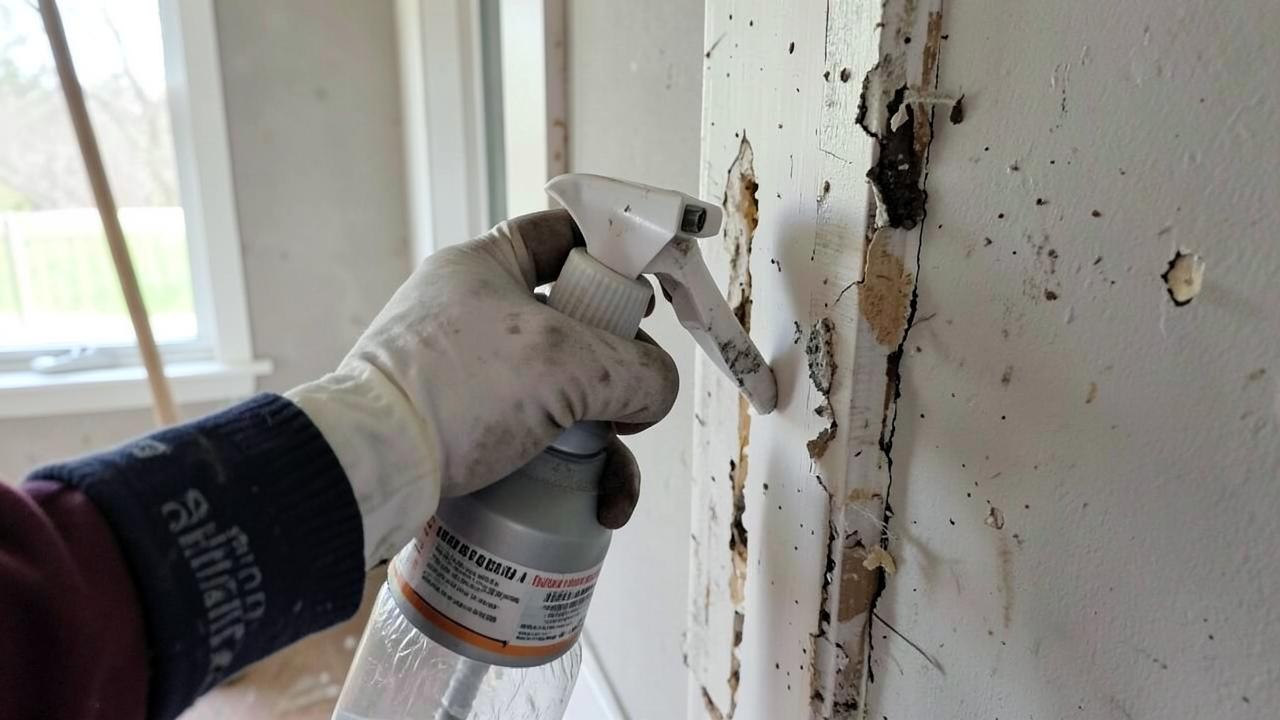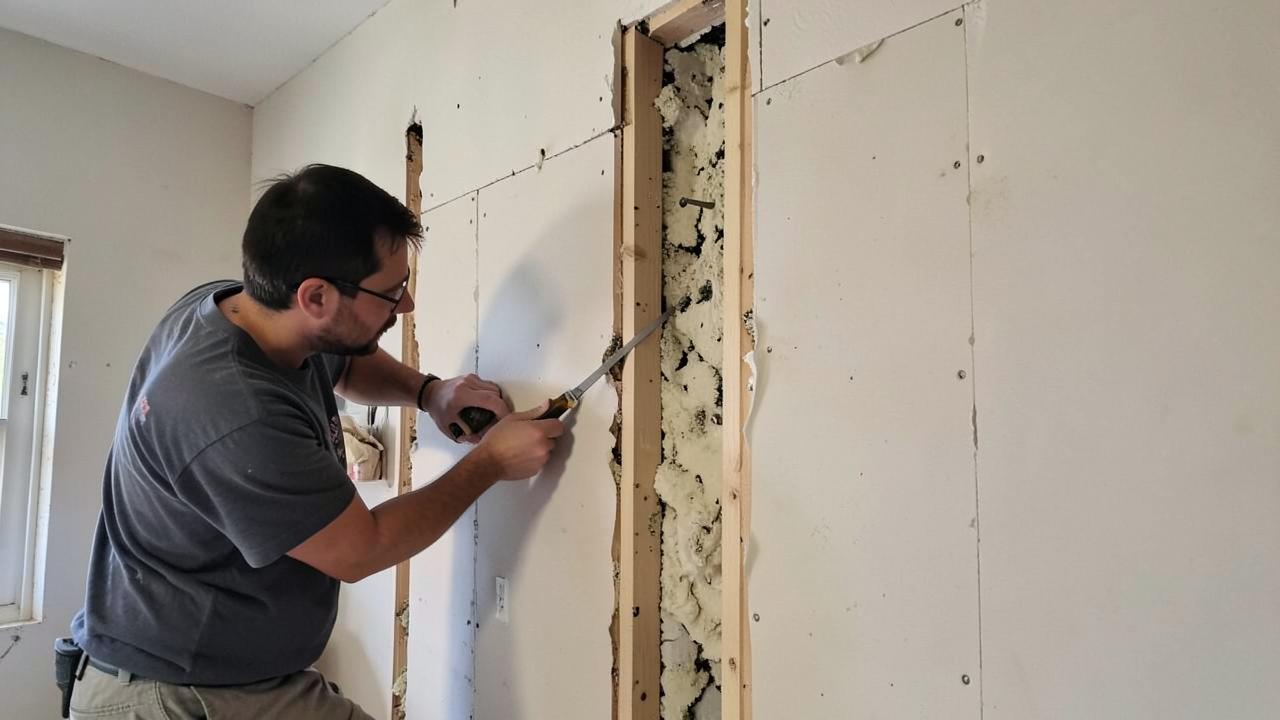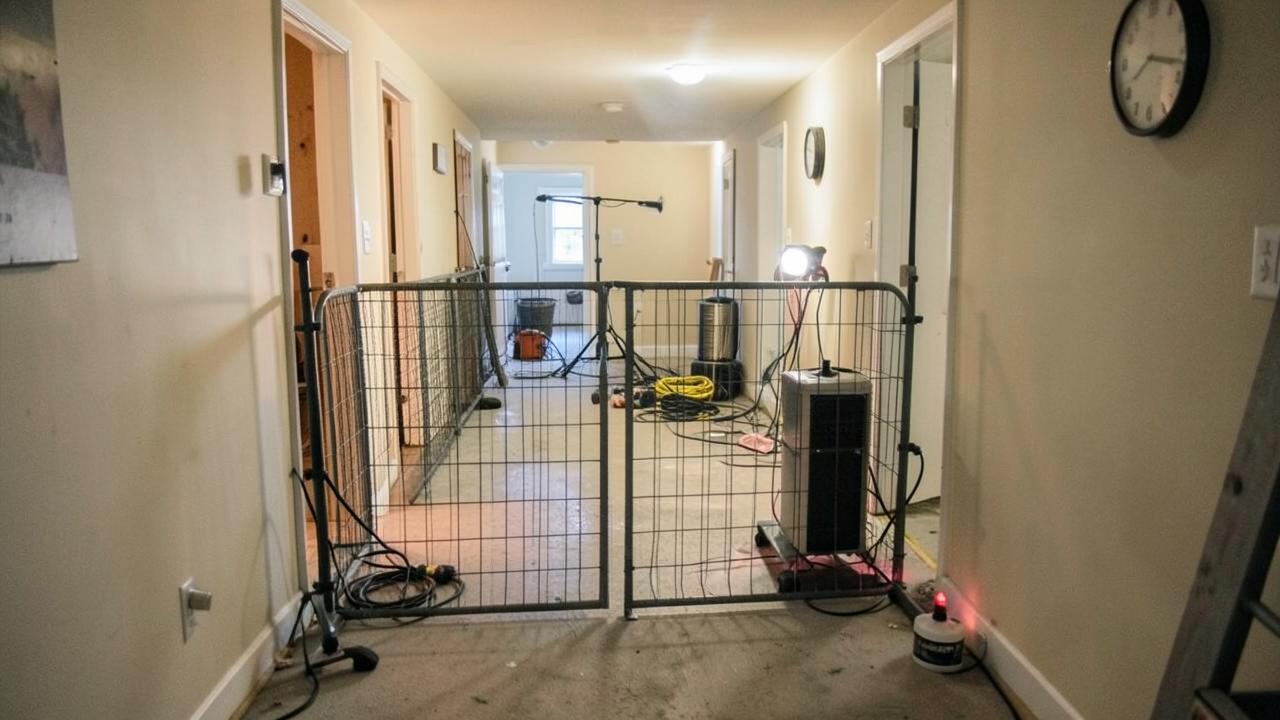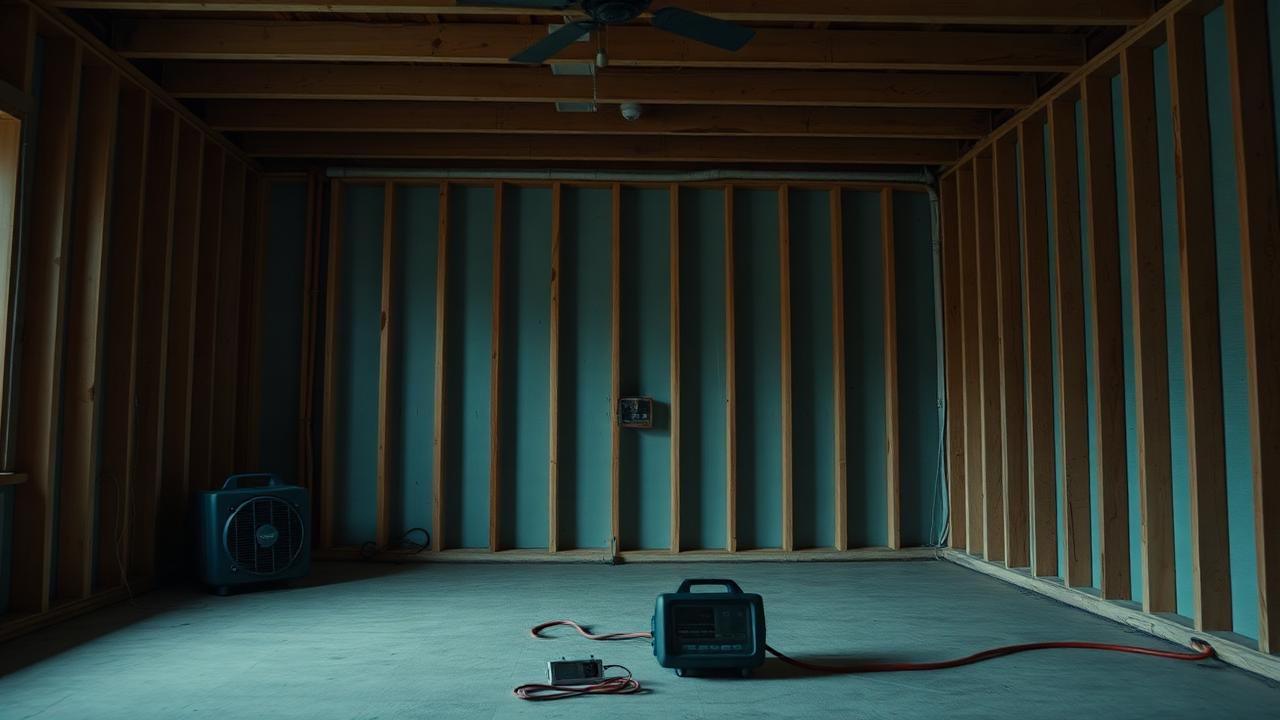
Remediation removes what grew. Moisture control is what stops it coming back — and it is the part that gets shortened when the schedule slips. This post covers what has to be true before you close a mold job out, how to set and prove a dry standard, and the building problems that quietly reload the gun after you leave.
Why does mold come back after remediation?
Almost always because the water did. Growth needs a moisture supply, so a returning colony means either the original source was never corrected, the structure never actually reached dry, or a building condition keeps putting water back into the same materials.
Note what is not usually on that list: the cleaning. Crews are generally good at removal and HEPA work. The callbacks come from the parts of the job that are somebody else's responsibility, or that nobody wrote down — the failed flashing, the crawlspace with no vapour retarder, the bathroom fan venting into the attic, the drying that stopped at day three because the trailer was needed elsewhere.
What is a dry standard and how do you set one?
A dry standard is a written target moisture value for each material, taken from unaffected reference readings in the same building. It is the number that ends the drying phase — not a feel, not a schedule.
How to set one that holds up:
- Take reference readings in the same material, same construction, away from the loss.
- Record them by material: framing, sheathing, subfloor, plaster, whatever is in play.
- Write the target into the scope before work starts, so nobody negotiates it at the end.
- Read the same monitoring points daily with the same meter and log them.
- Confirm the target is met at the affected points, not just near them.
Reference-based targets beat generic numbers because buildings differ — a coastal crawlspace and a heated slab-on-grade in a dry climate do not share a normal. The scope of work template has a field for the dry standard and who signs off on it; the meter post covers how to take the readings.
What has to be dry before the containment comes down?
Every material that stays in the building, at the monitoring points you established, at the written target — including the assemblies you opened to get at the growth. Drywall that reads dry while the bottom plate behind it is still wet is not a dry building.
Before you break containment:
- Framing, sheathing and subfloor at or below the dry standard.
- Cavities you opened checked, not assumed.
- Room humidity stable without the dehumidifier carrying it.
- Visual inspection complete and any verification the protocol requires passed.
- Source correction documented — or clearly excluded and communicated in writing.
Sequence it with the mold remediation checklist, and remember that on many jobs an independent IEP has the last word — how clearance works.
Which building conditions cause repeat growth?
The recurring ones are chronic, not dramatic: ground moisture, condensation on cold surfaces, and air that never gets exhausted. None of them show up as a puddle, which is why they survive the first remediation.
- Crawlspaces with bare soil or a torn vapour retarder — a permanent evaporation source under the floor.
- Grading and gutters dumping water at the foundation.
- Bathroom and kitchen exhaust terminating in an attic or soffit instead of outdoors.
- Missing or compressed insulation creating cold spots that condense in winter.
- Oversized or short-cycling cooling equipment that drops temperature without removing humidity.
- Duct leakage and unbalanced returns pressurising cavities with humid air — HVAC issues.
- Vapour-retarding finishes on the wrong side of the assembly for the climate.
You will not fix all of these, and several are outside a remediation contract. Write them down anyway. An observation you documented and communicated is professional service; the same observation left unsaid becomes your problem when the customer calls in March.
What should you hand the customer at closeout?
A closeout package that shows what was found, what was done, what the readings were, and what still needs attention. It is your proof of performance and their maintenance plan in one document.
- Before, during and after photos with dates.
- Moisture logs with reference values and the dry standard.
- The scope as performed, including any change orders.
- Waste documentation for material removed.
- Verification results from the IEP where applicable.
- Written recommendations for the conditions you observed but did not correct, with who should handle each.
The documentation post covers the file structure, and the cost calculator helps price any follow-on scope the observations create.
What maintenance advice is safe to give?
Keep indoor humidity in a comfortable, controlled range, run exhaust fans that actually terminate outdoors, keep water away from the foundation, and deal with leaks the week they appear rather than the season they appear. Specific numbers vary by climate and building, so give ranges and point at the building's own conditions.
Where a customer wants a target to watch, a cheap hygrometer in the problem room does more good than any advice sheet: it turns "it feels damp" into a reading they can act on before growth starts. The prevention post covers the response side when something does go wrong, and WRTTraining.com covers the drying trade in depth.
How does the AMRT exam treat moisture control?
As the principle underneath everything: correct the source, dry the structure, verify, document. Expect scenario questions where the "right" remediation answer is wrong because the water problem is still running.
Drill it with the timed practice exams and the AMRT flashcards, read the S520 overview for the standard's framing, and see the AMRT certification guide for how it appears on test day.
Who is responsible for the source repair?
Usually not the remediator — and that has to be written down before the job starts. Roof work, plumbing repairs, grading, gutter work and HVAC modifications are separate trades on most mold contracts, and the gap between "we told them" and "it says so in the scope" is where callbacks live.
Name the condition, name who is doing it, and name what happens if it is not done before rebuild. If the customer declines the repair, document the decline in writing and proceed with the remediation on the record that the source remains. That is not defensive paperwork for its own sake — it is the only way a contractor who does good work does not end up owning somebody else's leak.
How long should monitoring continue after closeout?
Long enough to see the building behave through a change in conditions, which in practice means a follow-up rather than a same-week sign-off on jobs where the source was chronic. A crawlspace fixed in August behaves differently in February.
A short return visit with a meter and a hygrometer, or a hygrometer left with the customer and a scheduled check-in, is cheap insurance on the jobs most likely to come back: crawlspaces, basements, slab-on-grade flooring and anything where the correction was somebody else's scope. It also produces the one thing marketing cannot buy — a customer who watched you come back when you said you would.
What does the customer need to understand about humidity?
That mold is a moisture problem with a biological symptom, and that the building keeps making moisture after you leave — showers, cooking, laundry, breathing, ground water. Remediation resets the building; the way it is run decides whether it stays reset.
Give them three habits rather than a lecture: run the exhaust fan during and after showers, watch for condensation on windows and cold walls in winter, and call the first time something leaks rather than the third. Those cover the majority of residential regrowth we see.
Where the building itself is the problem — no crawlspace vapour retarder, a fan venting into the attic, grading that runs toward the house — say it plainly, put it in the closeout package, and price the fix if it is work you do. A recommendation nobody acts on is still a recommendation you made, and it belongs in the file next to the checklist and the moisture logs.