HVAC contamination changes a mold job from a room problem into a building problem. The system moves air everywhere by design, so a contaminated air handler distributes spores and fragments into areas that were otherwise clean — and it will keep doing it every time it cycles while you work. This is how HVAC gets handled inside the S520 sequence.
How does mold get into an HVAC system?
Mold gets into HVAC systems the same way it gets anywhere else: moisture plus organic material plus time. Cooling coils condense water by design, drain pans hold it when they clog or slope wrong, and the dust that collects on wet interior surfaces gives growth everything it needs.
The other common route is contamination pulled in from a dirty space. An air handler in a damp crawlspace or a mold-affected attic breathes that air continuously, and unsealed return-side joints in those cavities pull unfiltered air straight past the filter. Renovation dust, a leak above a duct run, and oversized equipment that short-cycles without dehumidifying all contribute.
Why must HVAC be isolated before remediation starts?
Because a running system defeats your containment. Negative pressure in a work area means nothing if the return in that room is pulling contaminated air into the ductwork and delivering it to bedrooms at the other end of the house.
Isolation is a first-line engineering control: the system is shut down before disturbance begins, and supplies and returns inside the containment are sealed. The S520 overview puts HVAC isolation with the rest of the engineering controls, and it appears at the site-setup stage of the remediation checklist for the same reason.
Shut down means shut down and locked out, not “set to off at the thermostat.” A programmed schedule or a call for heat will restart a system nobody meant to run. Tell the occupants, and plan for temperature control while it is down.
How do you tell whether the system itself is contaminated?
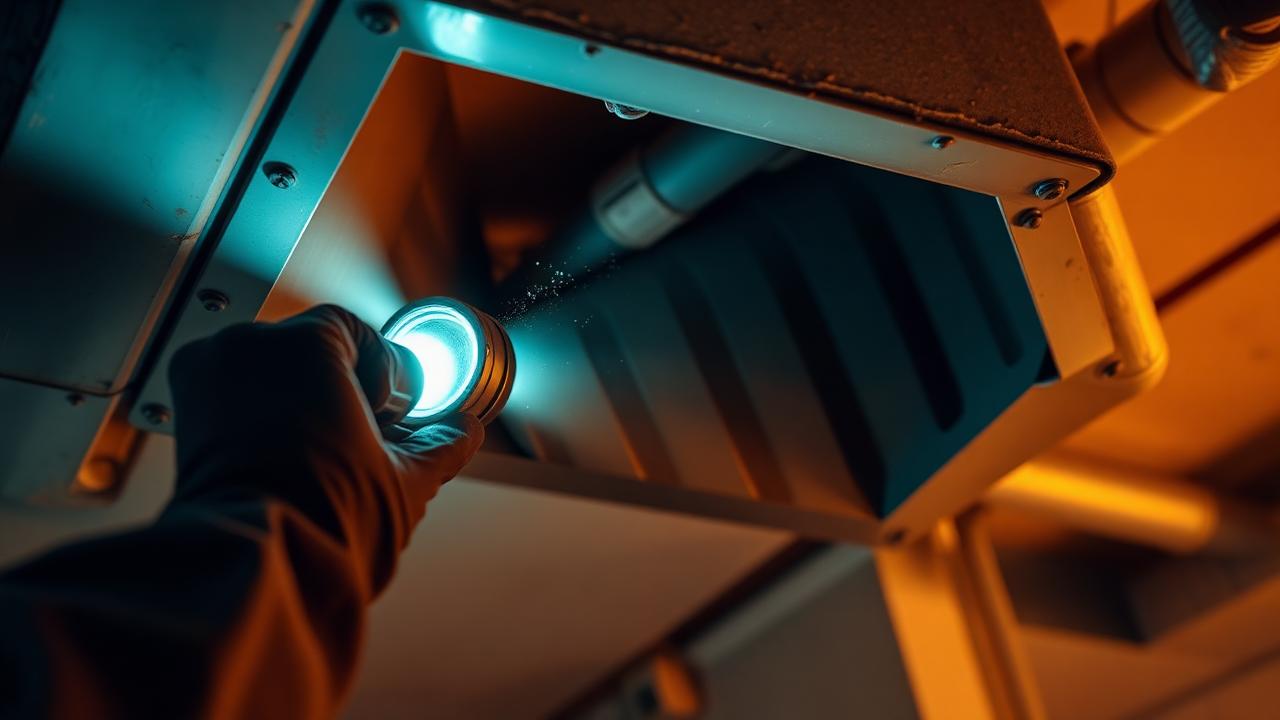
Inspect it before you decide. Open the air handler, look at the coil, the drain pan, the blower wheel and the interior insulation, and inspect the accessible duct interior — visible growth on interior surfaces is a different finding from dust on a grille.
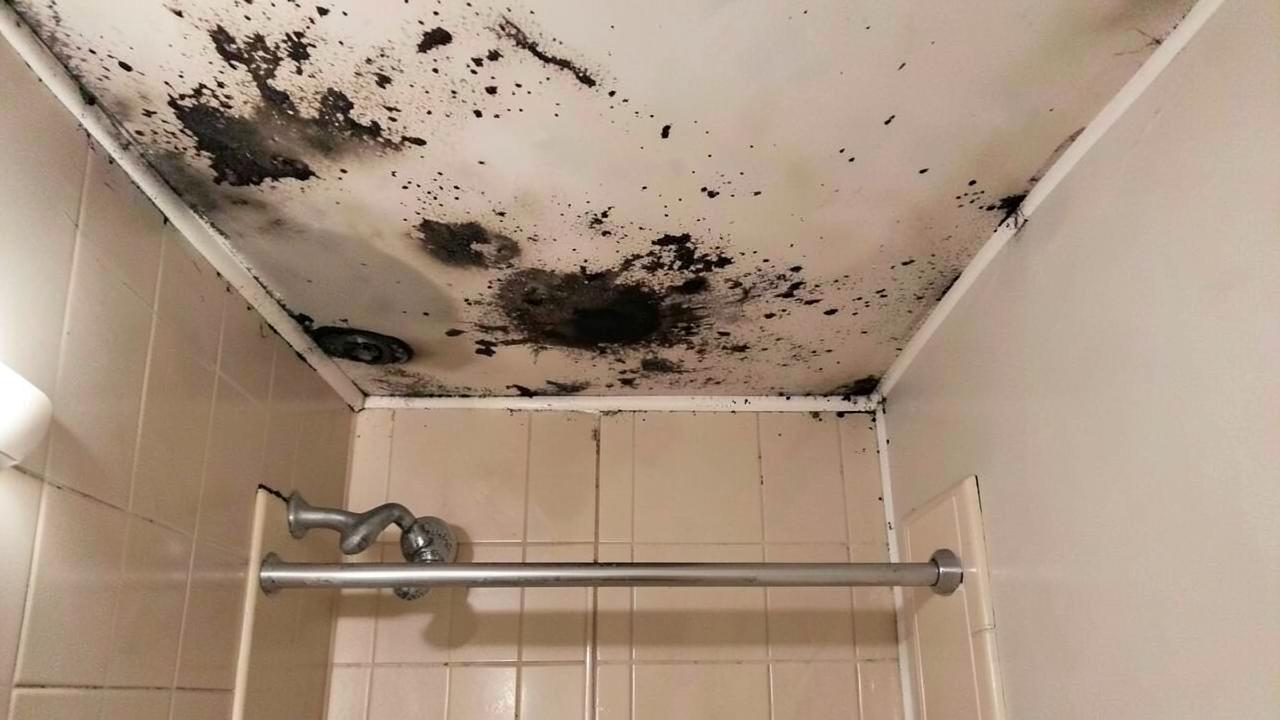
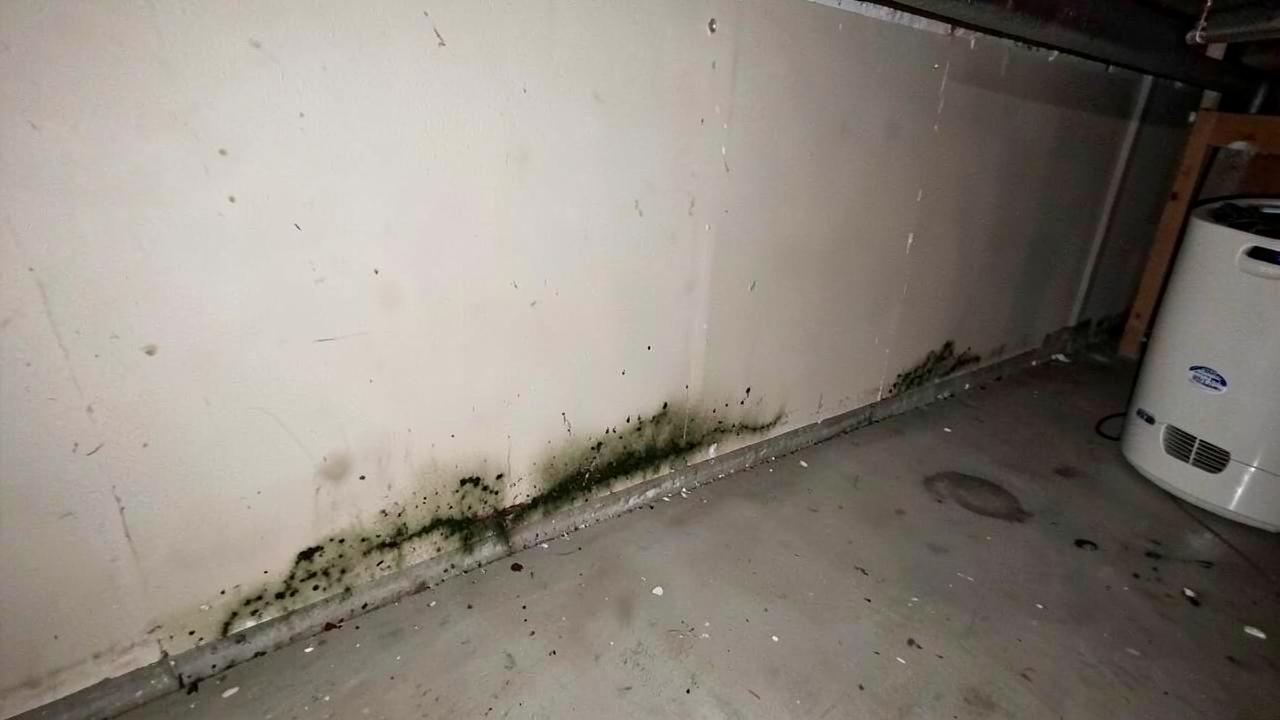
Distinguish three situations, because they carry different scopes. A system that is simply dusty needs cleaning, not remediation. A system that has been running in a contaminated space has probably collected settled spores and fragments and is a Condition 2 finding. A system with growth on interior surfaces is Condition 3 and gets remediated as such — the Conditions explainer covers the distinction, and Condition 2 vs 3 in the field covers the judgement call.
Where the assessment is being written by an independent IEP, the HVAC finding belongs in their protocol. Where you are inspecting on your own, photograph what you find and put it in writing before any work touches the system.
What gets cleaned and what gets replaced in a contaminated system?
Hard surfaces get cleaned; porous interior components with growth generally get replaced. Sheet metal duct, coils, blower wheels and drain pans can be cleaned by appropriate methods, while porous internal duct liner and flex duct with growth on the interior are usually removal-and-replace items because they cannot be reliably cleaned.
The rest of the system work: replace filters at the end rather than the start, clean or replace the filter rack and any gasketing, address the drain pan and condensate line so the water problem does not restart, and seal return-side leaks in unconditioned cavities. If the equipment sits in the contaminated space, coordinate with the remediation of that space rather than treating them as two jobs — that is the usual case with attic and crawlspace work.
Duct cleaning and mold remediation of a system are not the same trade or the same scope, and mixing them in one line item confuses everybody. Separate them in the scope of work.
How do you control contamination while working on ductwork?
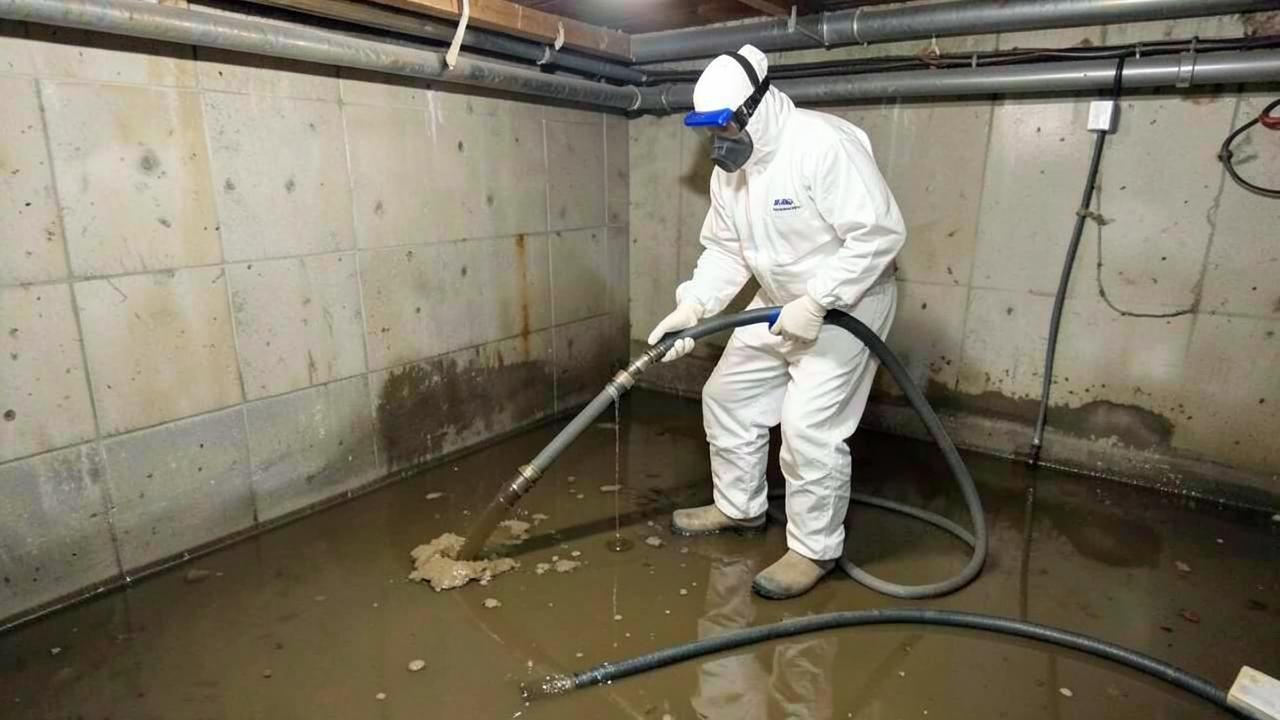
Work under containment and negative pressure with the system off, and keep the openings you create sealed when you are not actively working through them. Every cut into a duct is a new opening between a contaminated interior and the room you are standing in.
Practical sequence: contain the work area, isolate and seal supplies and returns, establish and verify negative pressure, open the system only inside the containment, HEPA vacuum as you go, bag porous removals inside containment, and cap or seal duct openings at the end of each shift. Size the air filtration on the room volume with the ACH calculator, and read negative air machines and HEPA filtration if you are choosing equipment.
What PPE applies to HVAC remediation?
PPE follows the Condition and the disturbance, and interior duct work is a high-disturbance activity in a confined position. Respiratory protection, coveralls, gloves and eye protection are the norm, and the doffing point sits at the containment exit like any other job.
Two extras worth planning for: mechanical and electrical lockout before anyone reaches into a blower compartment, and sharp-edge protection when working inside sheet metal. Our PPE by Condition guide covers selection.
How is HVAC work verified at clearance?
The system is part of the verification, not an exception to it. The IEP’s visual criteria cover the cleaned components and the interior surfaces they can access, and where sampling is used, the system is normally running as it will run in service so the samples represent occupied conditions.
Get the sequence right: cleaning complete, porous replacements installed, new filters in, drain pan and condensate confirmed working, containment still up, then verification — and only then a full system restart into a cleared building. Post-remediation verification covers what the IEP looks for and what happens if it fails.
How do you estimate HVAC remediation?
Estimate it as its own set of components alongside the room work: system inspection, isolation and sealing, component cleaning, porous duct replacement by length, coil and blower cleaning, filters, access cutting and patching, and verification. Access is the variable that moves the number most — ducts in a finished ceiling cost differently from ducts in an open basement.
The cost calculator carries an HVAC line you can price against your own rates, kept separate from the structural cleaning so the customer can see what the system work costs on its own. Keep the moisture correction — the drain pan, the sizing problem, the sweating duct — visible as its own item too, because that is the part that keeps the job from repeating.
Should the ducts be cleaned or replaced after a mold job nearby?
It depends on whether the system was running while the area was contaminated or disturbed. A system that was shut down and sealed before work started is normally not part of the remediation; a system that ran through the contamination is, and the finding should be documented either way.
This comes up constantly on jobs where the crew arrives after the homeowner has been living with the problem for weeks with the air conditioning running. Inspect before you decide, classify what you find by area, and let the assessment rather than the assumption drive the scope. Where an independent IEP is involved, their protocol should address the system explicitly.
Be careful with the opposite error too. Adding a full duct scope to every mold job inflates the estimate and undermines trust when a competitor prices the job honestly. If the system looks clean and was isolated, say so in writing and move on.
What do you tell the customer about their HVAC system?
Tell them what you found, what it means and what happens if the moisture source stays. Customers usually arrive with either total panic or total indifference about their ductwork, and photographs of the coil, pan and duct interior settle the conversation faster than adjectives.
Cover three points: the condition of the system as found, what the remediation will and will not do, and the maintenance or mechanical corrections needed to stop it recurring - a clogged condensate line, a poorly sloped pan, a filter that has not been changed, an oversized unit that short-cycles. The last group is a mechanical contractor's work, and naming that clearly is better for everyone than implying your cleaning solves it.
How does this come up on the AMRT exam?
HVAC questions on the AMRT exam usually test sequence and control rather than mechanical detail: when the system gets shut down, why isolation comes before disturbance, and how contamination spreads through a building when it does not. Answer from the engineering-controls logic and you will get most of them.
The AMRT certification guide covers the exam format and the WRT prerequisite, and the free practice questions include HVAC scenarios.