Documentation is the part of a mold job nobody wants to do and everybody needs. When a claim is questioned, a sale falls through, or a complaint arrives eighteen months later, the file is the job — the work you did but cannot evidence may as well not have happened. Here is what to capture, when to capture it, and how to keep it usable.
Why does documentation matter this much on mold work?
Because mold jobs are judged after the fact by people who were never there. Insurers, buyers, lenders, attorneys and licensing agencies all evaluate the work through the file, and a clean file supports a defensible job while a thin one undermines a good one.
There is a practical reason too. A documented job is a repeatable job: moisture logs tell you whether drying is on track, photos settle scope disputes before they escalate, and a written scope keeps the crew, the customer and the estimate describing the same work. In several states, records and reporting are part of the licensing framework — check mold remediation licensing by state for what applies where you operate.
What documents make up a complete mold remediation file?
A complete file traces the job from assessment to sign-off. Someone who was never on site should be able to read it and understand what was found, what was done and how it was confirmed.
- Assessment and the IEP’s protocol, where one exists.
- The written scope of work, with Conditions by area and exclusions.
- Signed contract and authorisation to perform the work.
- Before, during and after photos, organised by area.
- Daily logs: moisture readings, pressure differentials, equipment placement, crew and hours.
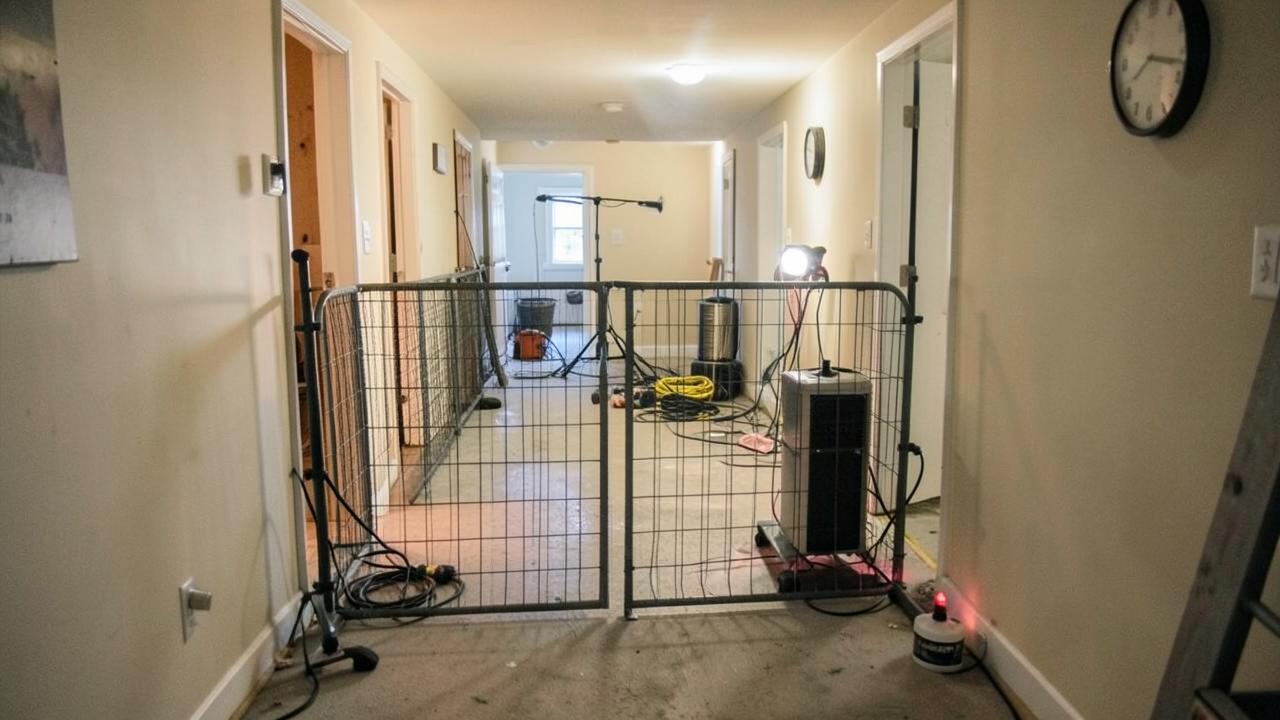
- Containment and engineering control records, including verification readings.
- Waste handling and disposal documentation.
- Change orders, each with a date, a reason and an approval.
- Post-remediation verification report from the IEP.
- Customer sign-off and the release of the area.
Start it with the scope of work template and run it with the remediation checklist; between them they cover most of that list without anybody having to remember it.
What should the scope of work contain?
The scope states what is being remediated, where, how and to what end point. It should name the Condition per area, the affected materials and quantities, the containment and engineering controls, the methods, the drying end point, the verification criteria and who performs verification.
Just as important is what it excludes. Rebuild, source repair by other trades, contents, HVAC work, cosmetic staining that will remain after cleaning — every one of those is a dispute if it is unsaid. Note also who writes what: an independent IEP writes the protocol, and the remediator writes the scope that carries it out. The template separates the two.
How should photos be taken and organised?
Shoot wide, then close, then wide again at the end, and keep them grouped by area. A photo without context is hard to use a year later, so establish the room before you show the detail.
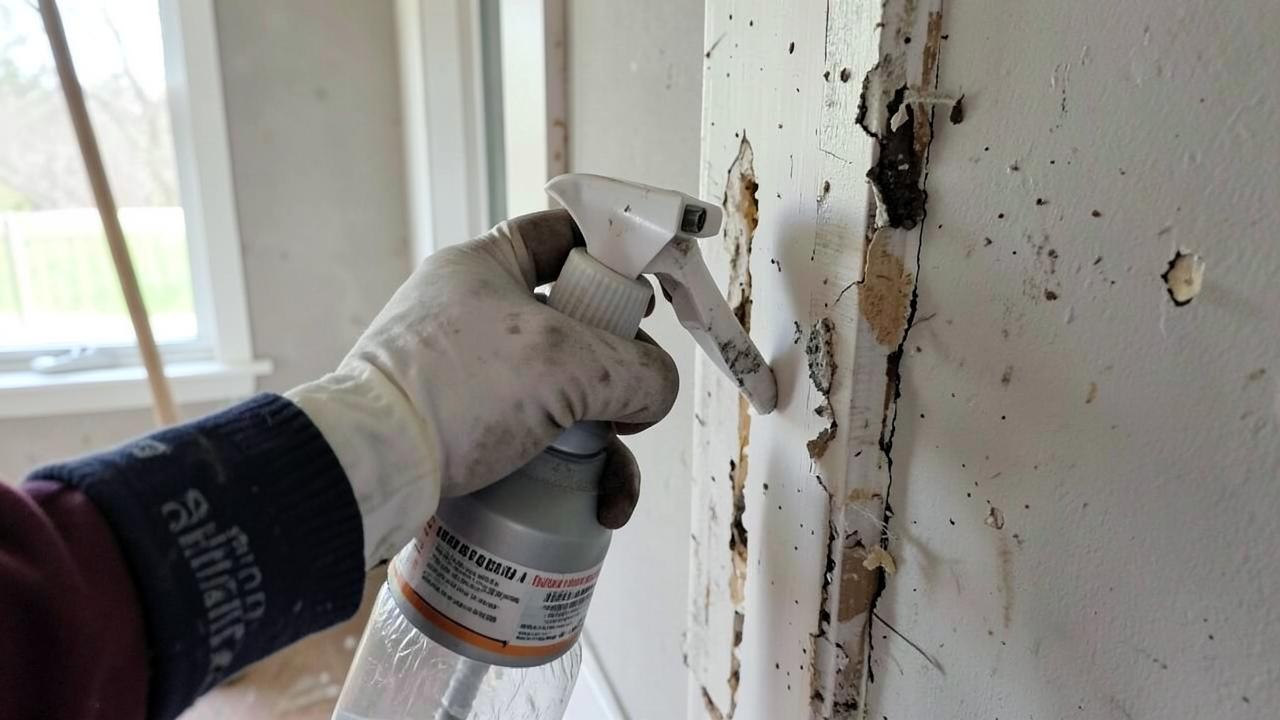
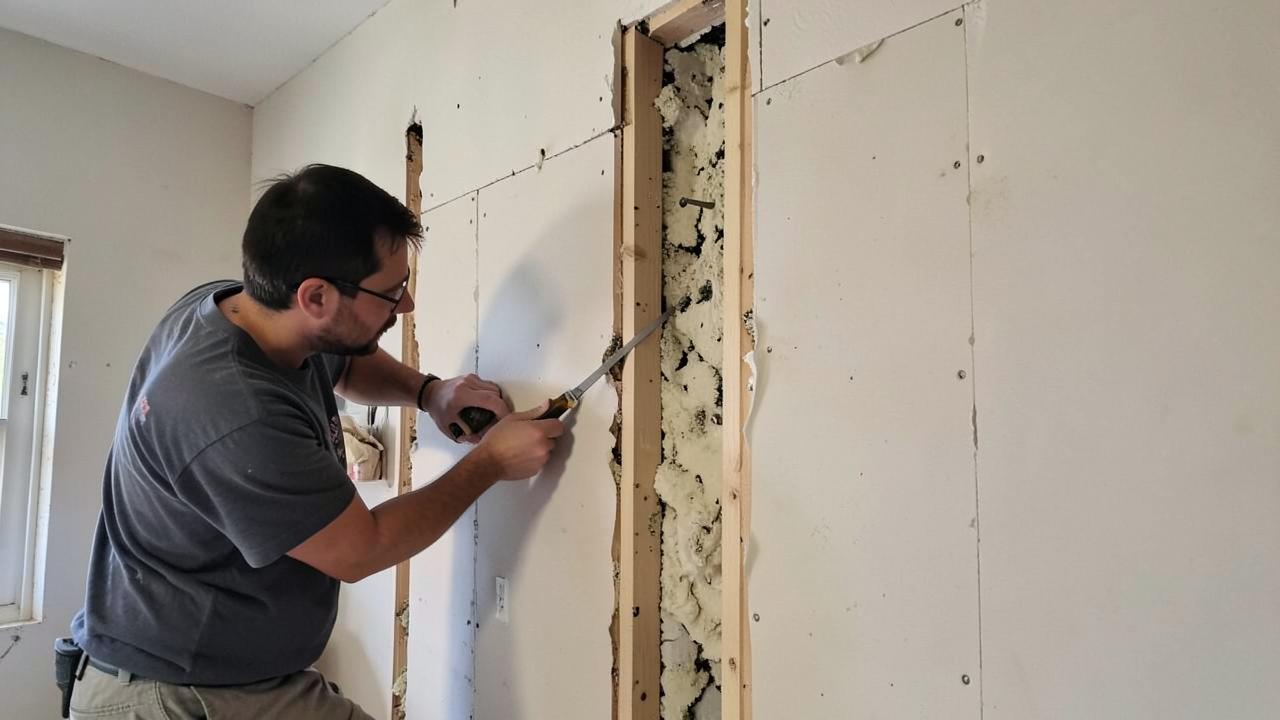
Practical routine: overall shot of each area before anything is touched, close-ups of growth and moisture indicators, the source once identified, containment and machine placement once built, progress shots at demolition and at cleaning, and a final set from the same angles as the first. Get the meter display in frame when you photograph a reading. Name folders by area rather than dumping four hundred images into one directory.
What belongs in the daily log?
The daily log records what changed and what you measured. Moisture readings at fixed, named locations, the pressure differential, equipment running and where, work performed, crew and hours, and anything out of the ordinary.
Two habits make logs useful instead of decorative: read the same locations every day so the numbers are comparable, and record the time. A drying curve built from consistent locations tells you when the dry standard is met and gives the IEP something to look at during verification; a scatter of readings from wherever the probe landed tells nobody anything.
How do you document changes to the scope?
In writing, before the work happens. Mold scopes grow — a wall opens and the affected area is twice what the estimate assumed — and the change order is how that becomes billable rather than contentious.
Each one carries the date, what was discovered, what the change is, the cost impact and an approval. Photograph the discovery that triggered it. The template has a change-order section, and the cost calculator makes the revised number quick to produce with your own rates already loaded.
How do you document the moisture source?
Name it, photograph it, and record who is correcting it. Remediation without source correction fails, and the file has to show that the source was identified even when its repair belongs to another trade or to the property owner.
Where the owner declines the correction, record the declination. Where a plumber, roofer or HVAC contractor is handling it, name them and the date. That single paragraph is what separates “the mold came back” from “the mold came back because the roof was never repaired, as noted on page two.”
How long should records be kept, and in what form?
Retention periods are set by your state licensing agency, your insurer and your contracts rather than by a single national rule, so confirm the requirement that applies to you and keep records at least that long. Where the requirement is unclear, the longer end is the cheap choice — storage costs less than a disputed claim.
Keep them digital, backed up, and organised by job with a consistent folder structure, so retrieving a two-year-old file takes minutes. Also treat the file as containing personal and property information: store it accordingly and share it only with the parties entitled to it.
What documentation do insurers and adjusters expect?
They expect the file to justify the scope and the cost, item by item. That means the assessment or protocol, the written scope, photos that show what was found and what was done, quantities that match the invoice, and the verification report.
The usual friction points are quantities and change orders. If the invoice says four hundred square feet of drywall removal, the file should make that number visible in the photos and the scope, and any increase over the original estimate should have a dated change order behind it. Build the estimate from the same measurements you scoped from - the cost calculator keeps the quantities and the pricing in one place, which is exactly what makes the invoice easy to defend.
What are the most common documentation failures?
Photos without context, logs with gaps, and verbal change orders. All three are habits rather than knowledge problems, and all three surface at the worst possible moment.
- No before photos, because the crew started work while the estimator was still in the driveway.
- Moisture readings from inconsistent locations, so the drying curve means nothing.
- Missing days in the log during a weekend or a crew change.
- Scope changes agreed on site and never written down.
- No record of who identified and corrected the moisture source.
- Photos filed as one unsorted dump with no area names.
- No copy of the customer authorisation or sign-off.
The fix is process, not effort: a standard folder structure, named moisture-reading locations set on day one, and the checklist worked as you go.
How does documentation come up on the AMRT exam?
Exam questions cover what gets recorded, when, and why the record exists — particularly around verification, waste handling and source correction. The reasoning is always the same: the file has to demonstrate that the S520 sequence was followed.
The AMRT certification guide covers the exam format, and the free practice questions include documentation scenarios.