Search "mold remediation certification online" and you get two very different things back: legitimate live-stream courses run by approved schools, and certificates of completion from operations that will sell you a PDF the same afternoon. This post separates them, and explains which parts of the process genuinely happen at a keyboard and which do not.
Can you get mold remediation certification online?
Partly. Study, exam prep and — for some credentials — remote proctored testing all happen online, but the IICRC currently lists the AMRT course as in-person only on its certifications page, while several other IICRC courses are offered live-stream or in person.
So the honest answer for AMRT specifically is that the classroom portion is something you attend. What you can do remotely is everything around it: learn the standard, drill the vocabulary, work practice questions until the Condition classification is automatic, and walk into the class already fluent. That is what this site is for — see the AMRT certification guide for the credential itself and mold remediation training for how course options compare.
Delivery formats change. Before you book anything, check the current listing on iicrc.org rather than a school's marketing page, because "online" on a third-party site sometimes means the school's own non-IICRC certificate rather than the IICRC credential.
What can you legitimately do remotely?
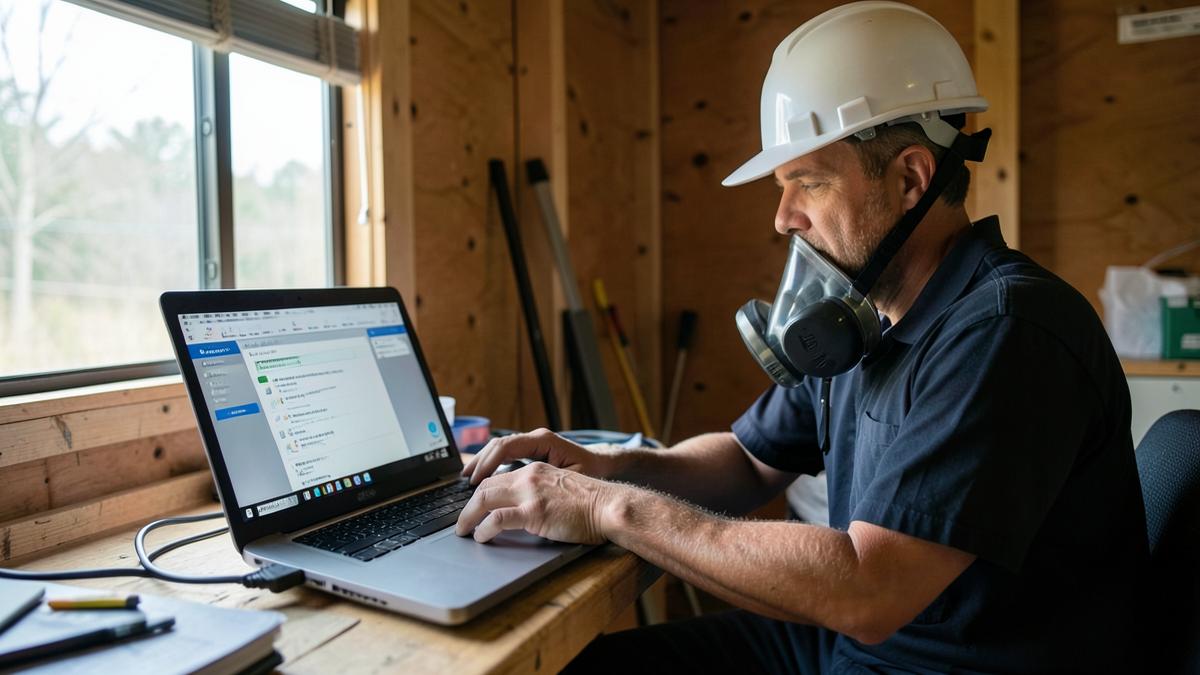
Everything that is learning rather than credentialing. The gap between someone who prepared and someone who showed up is enormous, and all of that preparation is remote work you can do at night on a phone.
- Read and re-read the standard by section, and learn what each section changes on a job.
- Drill terminology and Conditions with spaced-repetition flashcards.
- Sit timed practice exams so the clock is not a surprise.
- Work through the study modules for topics you are missing wholesale.
- Learn the tools of the trade — containment sizing with the ACH calculator, scoping with the scope template.
- Research your state's licensing before you spend a dollar on a course.
What can't be done remotely?
Anything that has to be witnessed or physically practised. Respirator fit testing is a hands-on procedure. Building a containment, taping a critical barrier, running a decon chamber, and handling material without spreading it are skills you learn with your hands.
Field experience is the other one. Credentials that ask for verified time on jobs cannot be shortcut by coursework of any format, and employers can tell within a week which is which. An online certificate on top of no field time reads exactly like what it is.
What separates a real course from a certificate mill?
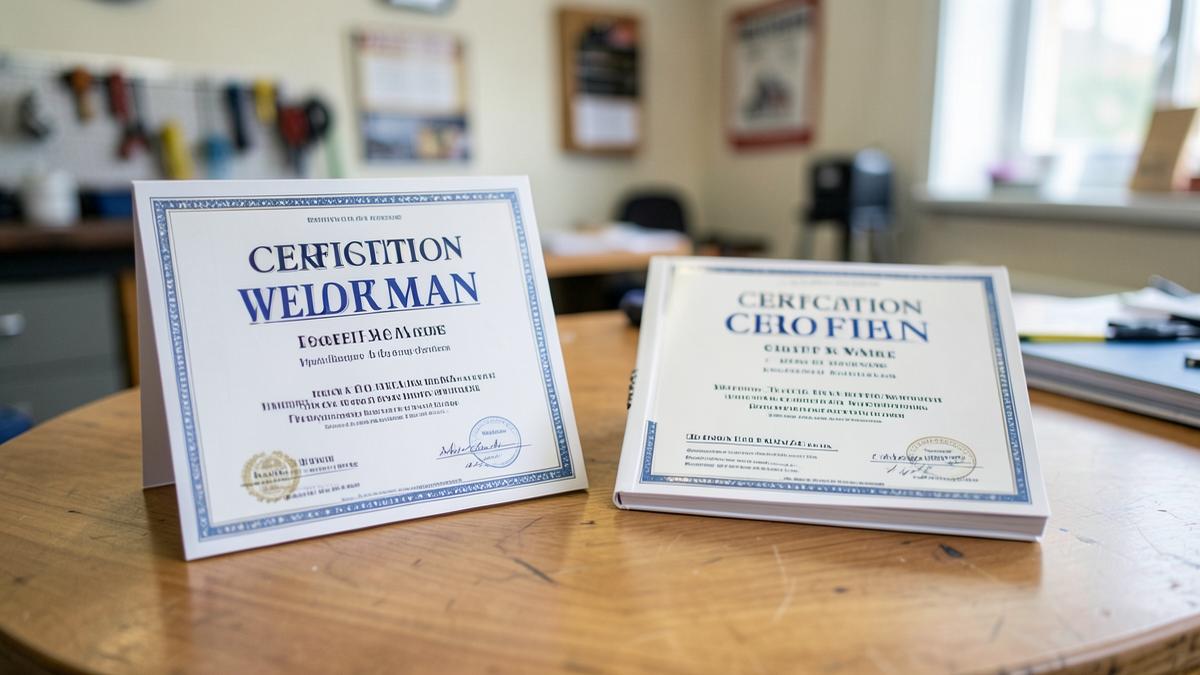
A real course names the certifying body, names the standard it teaches, uses an approved instructor, and leads to an exam administered by that body — not by the school selling the class. A mill sells you a document with its own logo on it.
Checks worth two minutes before you pay:
- Is the certifying body named, and does its own website list the course or school?
- Does the credential expire and require continuing education? Real ones generally do.
- Is there an exam administered independently of the course provider?
- Is the standard named — ANSI/IICRC S520 for mold remediation?
- Does the marketing promise a licence? Certification and state licensing are different things — see state licensing requirements.
- Is a prerequisite mentioned at all, or does the page imply anyone can start anywhere?
The prerequisite question matters for AMRT in particular, because WRT is commonly required first. A course page that never mentions it is a page written by marketing rather than by an instructor.
Does an online certificate satisfy state licensing?
Sometimes, sometimes not — the licensing agency decides which training it accepts, and several states name specific credentials or approved course lists. Never assume a course qualifies because the school says it does.
Check the agency directly before you enrol. We keep plain-language summaries with links to the official pages on mold remediation licensing by state, plus deeper pages for Texas and Florida. Licensing rules change — confirm current requirements with the agency that issues the licence.
What is the smartest way to use online prep?
Build fluency before the class so classroom time is spent on judgement rather than vocabulary. Two or three weeks of short daily sessions changes the experience of the course completely.
A workable pattern: learn the Conditions cold (start here), then containment and engineering controls, then PPE, then cleaning, drying and verification, taking a timed practice exam at the end of each week. Our two-week AMRT study plan lays that out day by day, and mold remediation certification compares the credentials you might be choosing between.
Is online-only mold training worth anything?
As preparation, yes — enormously. As a substitute for a recognised certification, no, and the industry knows the difference. Insurers, IEPs and general contractors ask which body certified you, not which website you studied on.
Use online study for what it is genuinely good at: repetition, scenarios and speed. Then take the class, sit the exam and get the credential that carries weight. If you are still deciding whether AMRT is the right one, AMRT vs WRT vs ASD and AMRT vs MRS are the two comparisons worth reading first.
How do live-stream classes compare with in-person ones?
Live-stream classes are real instruction with a real instructor on a schedule; recorded self-paced content is not the same product even when it costs the same. The IICRC notes on its certifications page which courses are available live-stream and which are in-person only, and that listing is the one that governs.
If you have the choice, weigh travel and lost work against the hands-on portion. Live-stream saves the trip and works well for standards-heavy material. In-person is where you handle equipment, ask the instructor about the job you are arguing about at work, and meet people in your market. For a course built on physical controls — containment, pressure, PPE — that room time carries real weight.
What does online prep cost compared with the course?
Study tools are a rounding error next to tuition, travel and lost field days, which is the whole argument for preparing properly before you sit down in the class. Our membership covers the practice exams, flashcards and modules for less than a tank of fuel per month.
The comparison that matters is not tool cost against tuition, it is tool cost against a retake. A failed exam costs the fee, the schedule and another day away from work. Anything that reduces that risk is money well spent — see what the AMRT exam costs for the full picture.
What questions should you ask a school before you book?
Ask who administers the exam, who the instructor is, what the prerequisite is, and what the total cost includes. Any school worth attending answers all four in one email; the ones that dodge are telling you something.
- Is this the IICRC credential, or the school's own certificate?
- Is the class in person or live-stream, and where does the exam happen?
- Do I need WRT first, and do you verify it?
- Does the price include the exam fee, the reference materials and a retake?
- What are the class dates, and what is the cancellation policy?
Cross-check the answers against the certifying body's own website before you pay. And check what is running near you — our class directory lists upcoming AMRT courses, and the exam cost breakdown covers the charges that tend to appear later.
Is remote proctoring an option?
For some certifications and examinations, yes — remote proctoring has become common across the certification industry, but whether it applies to the credential you want is decided by the certifying body, and it changes. Check the current examination arrangements on the certifier's own site rather than a school's page.
It is worth asking about directly when you enquire, because a remotely proctored exam can save a second trip. Just do not let the availability of a remote exam persuade you that the training portion is also remote when the certifying body says otherwise.