Bathrooms produce more mold complaints than any other room in a house, and most of them are not remediation projects. Knowing which ones are is the difference between a Saturday morning with a bucket and a containment build with an independent clearance at the end.
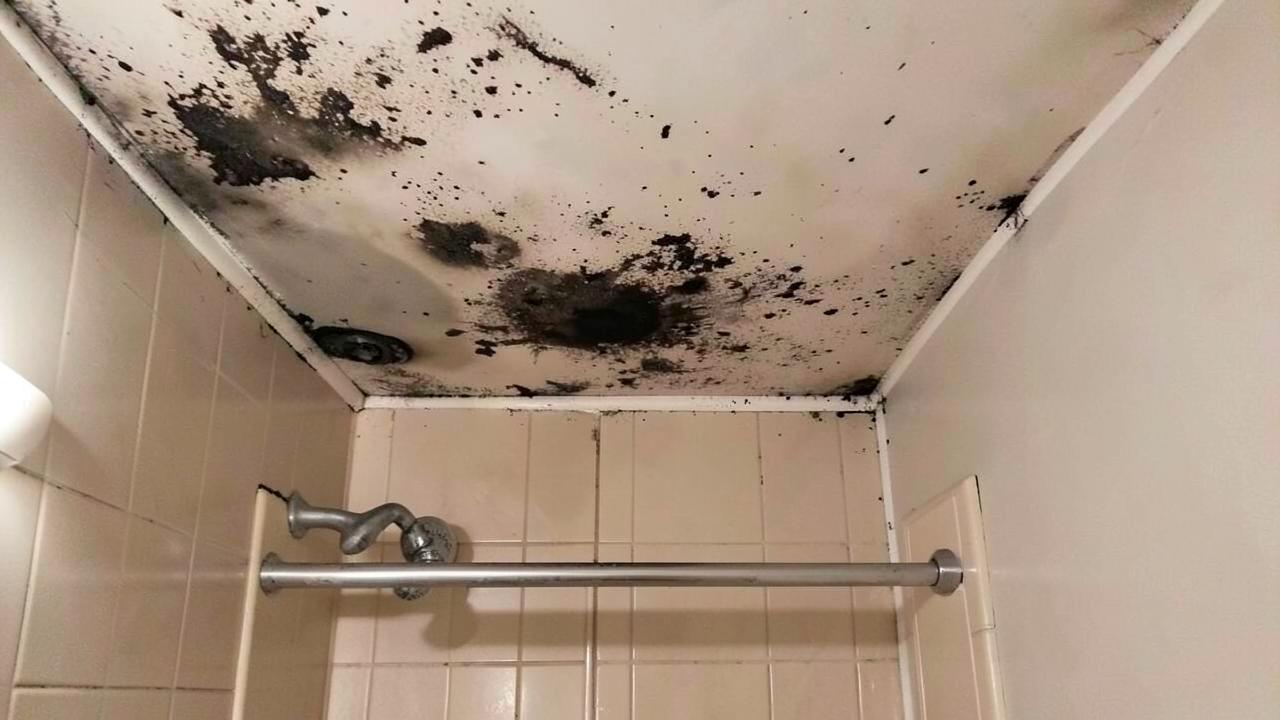
Why does mold keep coming back on a bathroom ceiling?
Because the ceiling above a shower is the coldest surface in the wettest room, and the ventilation is not moving the moisture out fast enough. Cleaning the growth without fixing that leaves you cleaning it again every few months.
Three things drive it: an exhaust fan that is undersized, ducted into an attic instead of outdoors, or simply not run long enough; a shower used by several people back to back; and a ceiling with poor insulation above it, which keeps the surface cold enough for condensation. Fix the ventilation and the growth usually stops recurring.
Is bathroom ceiling mold surface growth or a bigger problem?
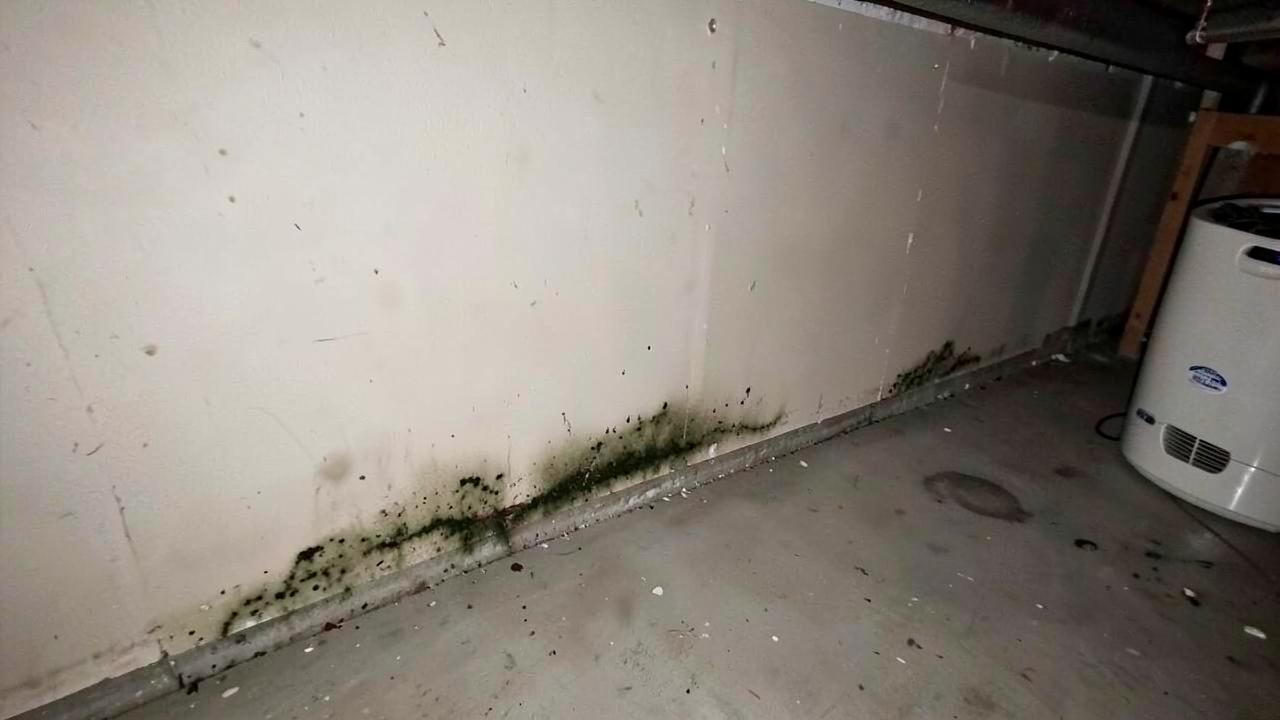
If the paint is intact, the drywall is firm to the touch and a moisture meter reads dry, you are almost certainly looking at surface growth on the paint film. If the surface is soft, stained through, sagging or reads wet, the growth is being fed from above or behind and the material has to come out.
That distinction is the practical version of the S520 Conditions. Settled spores and light surface growth on a sound, dry substrate is one problem; actual growth in a wetted material is a Condition 3 problem. When you cannot tell, the meter decides — see finding hidden mold.
When is bathroom mold a DIY clean?
When it is small, on a hard or sound painted surface, and the moisture source is understood and correctable. The EPA's guidance uses roughly ten square feet as the line where most homeowners should stop and call someone — a patch about the size of a bath mat.
That number is guidance, not a rule, and area is the least important of the factors when the material is wet or the occupants are sensitive. We wrote a whole post on where it comes from and what it misses: how much mold is too much.
When does bathroom mold need a professional?
When there is a leak behind the work, when the affected material is porous and wet, when the growth keeps returning after cleaning, when the area is beyond the EPA threshold, or when someone in the household is immunocompromised or reacting.
- Staining that reappears in the same spot within weeks of cleaning — something is still wet.
- Soft or discoloured drywall behind the toilet, under the vanity or at the tub surround.
- Loose or missing grout with dark growth spreading beyond the joint lines.
- Buckled flooring or a spongy subfloor around the toilet flange.
- Musty odour that persists with the fan running and the surfaces visibly clean.
What is really going on with grout and caulk?
Grout lines and silicone joints hold soap film and moisture, and the dark growth in them is usually sitting in that film rather than in the tile. Clean grout responds to scrubbing and drying; grout that has failed lets water into the wall behind it, and that is a different job.
Silicone caulk with growth under the surface cannot be cleaned back to clean — it gets cut out and replaced. Before re-caulking, check whether water has been running behind the joint: press the tile field, look for movement, and take a meter reading at the base of the wall on the other side.
What is behind the vanity, and why does it matter?
Supply lines, a drain and a cabinet base that hides both. Slow leaks under a vanity are the most common source of the hidden growth we find in bathrooms, because the cabinet keeps the wetting invisible until the odour or the floor gives it away.
Anything made of particleboard that got wet under there is not recoverable — the material swells, delaminates and holds growth in the core. Same story for the drywall behind it if the leak ran long enough. Pulling the vanity is often the first real diagnostic step in a bathroom, and it is worth doing before anyone quotes the work.
How does professional bathroom remediation work?
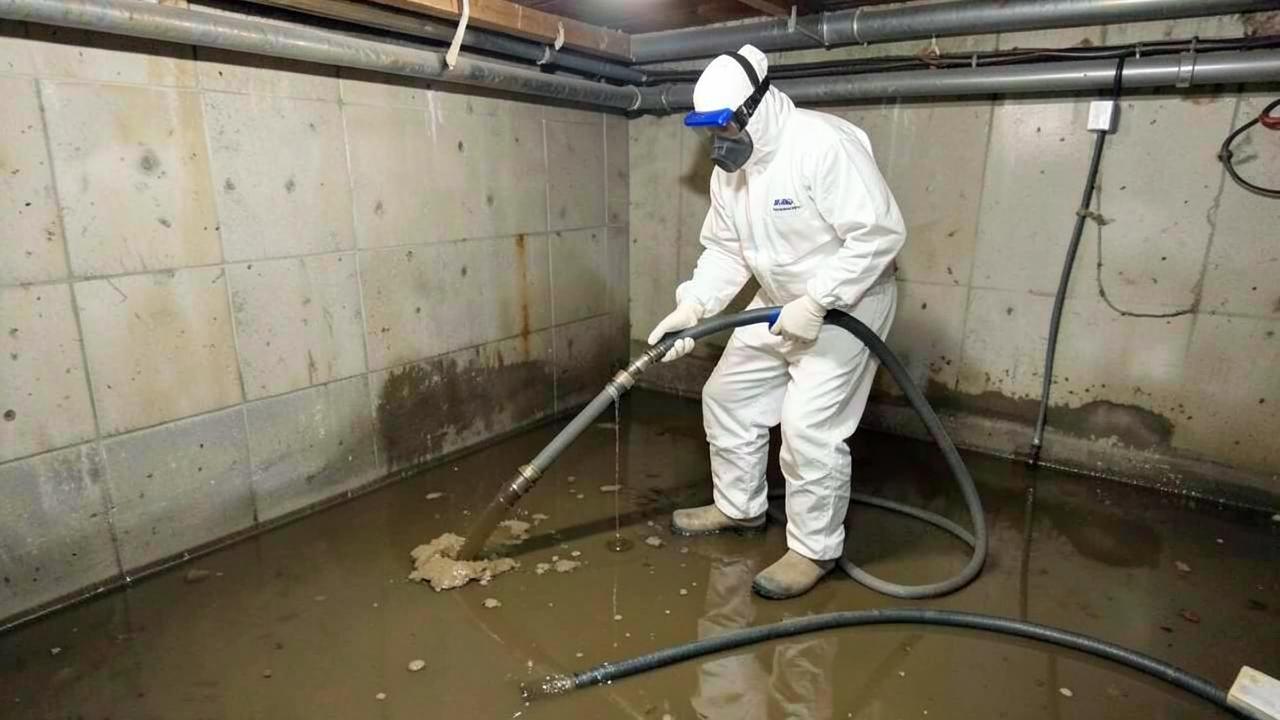
Small room, same sequence. Correct the water source, contain the bathroom, set up filtration, remove the affected porous material, clean everything else, dry to the dry standard and verify before rebuild.
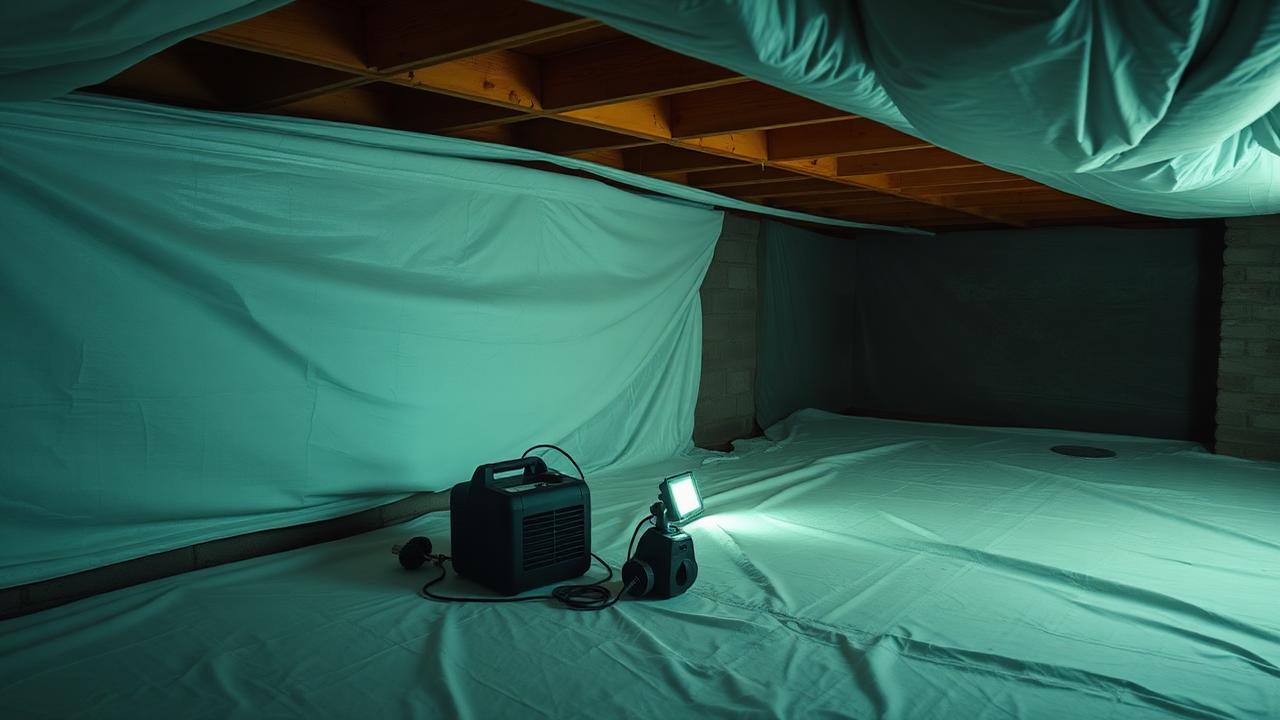
Bathrooms are small enough that containment is usually straightforward — a barrier at the door, the exhaust and HVAC handled, negative pressure held while material comes out. Sizing the air filtration to a small room is easy to overdo and easy to skip; the ACH calculator gives you the CFM the volume actually calls for. The full sequence is in the printable checklist.
What should a bathroom mold estimate include?
Removal of the affected material by area, containment and engineering controls, cleaning, drying, an independent verification if the scope calls for one, and rebuild listed separately. Anything vague about what leaves the building is a problem.
Model it yourself first with the mold remediation cost calculator — it prices by affected area and containment type, so you can see which line items a bid is missing rather than arguing about the total. If the contractor is proposing to spray the ceiling and leave, read why you can't just spray mold.
How do you keep it from coming back?
Move the moisture out during and after every shower, and keep the surfaces warm and dry enough that condensation does not form. That means an exhaust fan sized for the room, ducted outdoors, run during the shower and for a stretch afterwards.
Add the small habits that actually hold: squeegee the enclosure, leave the door or curtain open to dry, keep grout and caulk intact, and deal with drips the week they start. The longer version of the moisture-control argument is in preventing mold regrowth.
Who is qualified to do this work?
A contractor trained to the S520 and, in states that license mold work, licensed for it. Check the requirements where you live on mold remediation licensing by state, and see mold remediation certification for what the training behind a credential covers.
Technicians studying the same material: bathrooms are a favourite exam scenario because they force a Condition call on a small area with an obvious moisture source. Drill it with the timed practice exams and the AMRT flashcards.