Mold remediation is a trade you can enter without a degree and build into a licensed, credentialed career or your own business. It is also physical, seasonal in places, and heavier on documentation than people expect. Here is what the work is, how people move through it, and what the credentials and licences actually require.
What does a mold remediation technician do?
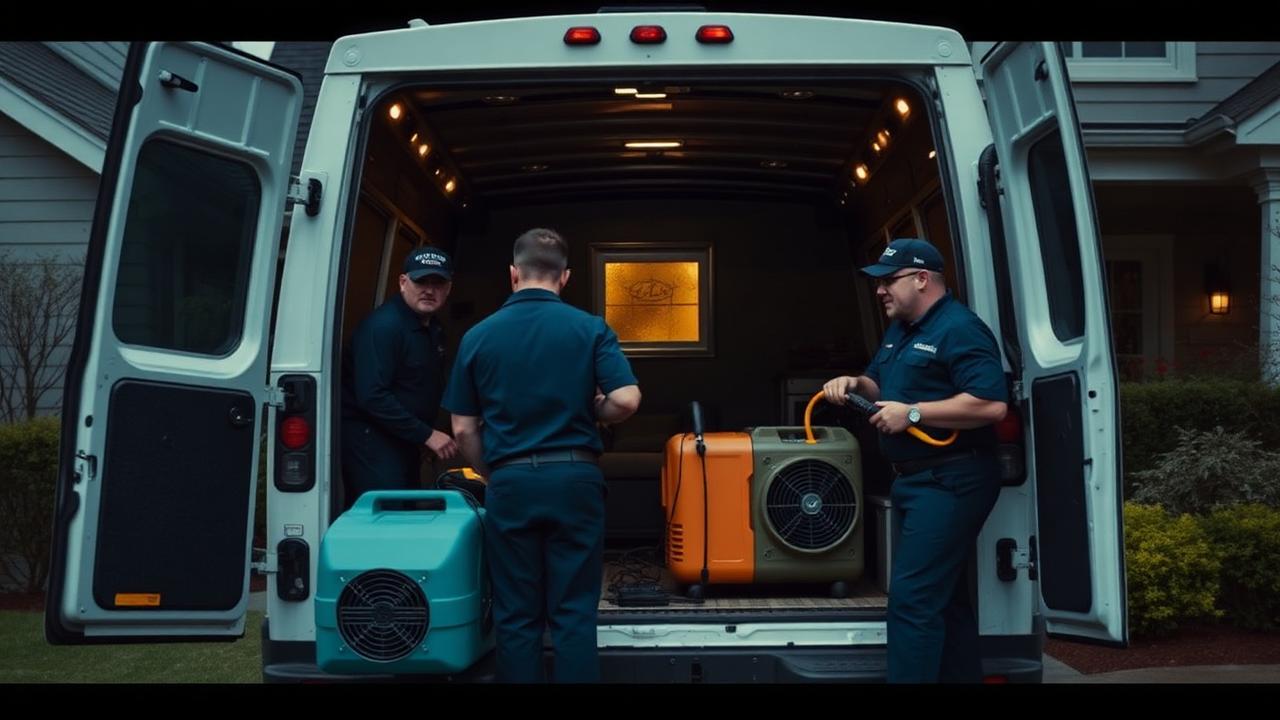
A remediation technician removes and cleans mold contamination from buildings under controlled conditions. That means building containment, running engineering controls, wearing and managing PPE, removing porous materials, cleaning structure, drying it, documenting all of it and getting the work independently verified.
A normal day is more procedural than dramatic: set up containment, verify negative pressure, work the scope, HEPA vacuum, log moisture readings, photograph progress, bag and remove waste. The work follows the ANSI/IICRC S520 sequence, and most of the skill is in doing the sequence properly rather than in any single task.
How do you get into mold remediation with no experience?
Most people come in through a restoration company as a technician and learn the water damage side first. Restoration firms hire for reliability, a clean driving record and a willingness to do physical work, and they train the rest.
The usual entry route: get hired on water losses, work under experienced technicians, take WRT, then take AMRT when mold work becomes part of your role. Related trades transfer well — construction, plumbing, HVAC and general contracting all give you the building knowledge that mold work depends on. Our sister site WRTTraining.com covers that first credential.
What certifications do you need?
The industry standard route is IICRC: WRT first, then AMRT for mold work, with the S520 as the governing standard. There are other credentialing bodies, and which one carries weight depends on your market and your state.
Start with mold remediation certification for the landscape, then the AMRT certification guide for the IICRC route specifically. If you are comparing bodies, ACAC certification explained and AMRT vs MRS cover the main alternatives. Certifications carry continuing education and renewal obligations, so treat them as ongoing rather than one-off.
Do you need a licence as well as a certification?
In some states, yes — and the licence is a separate legal requirement from any certification you hold. A handful of states license mold remediation and mold assessment directly, with their own training, insurance and registration requirements, while most states have no mold-specific licence at all.
Requirements change, so confirm current rules with your state agency before you rely on anything. Mold remediation licensing by state covers which states license the work and links each agency, and Texas and Florida have their own detailed pages because they come up most often. Note also that several states require the assessor and remediator to be different parties — see mold inspector certification.
What does a career path in remediation look like?
The common progression is technician, lead technician, crew chief or project manager, then estimator, operations, or ownership. Each step trades physical work for judgement, paperwork and responsibility for other people’s work.
Some people branch sideways instead: into the assessment side as an indoor environmental professional, into large-loss and commercial project work, into insurance-side roles, or into training. The assessment route is a genuinely different career with its own credentials and, in some states, its own licence and a conflict-of-interest rule that stops you doing both on the same job.
What skills separate a good remediator from an average one?
Diagnosis and documentation. Anyone can be taught to build containment; the people who advance are the ones who find the moisture source correctly and leave behind a file that stands up.
- Reading a building — where water goes, where air moves, where growth hides.
- Classifying accurately, so the scope matches the job. See Conditions explained.
- Explaining findings to a homeowner without alarming or minimising.
- Writing a scope somebody else can execute — use the scope template.
- Estimating consistently with the cost calculator.
- Sizing equipment correctly with the ACH calculator.
- Keeping a file: photos, logs, change orders, verification.
What is the work actually like day to day?
It is physical, hot in season, and often in unpleasant spaces — attics in July, crawlspaces year round, sewage losses. It is also unpredictable, because losses do not schedule themselves, and emergency call-outs are part of many roles.
The upsides are real too: the work is varied, every building is a different puzzle, the skills transfer anywhere, and there is a clear route to running your own crew or your own company. Go in knowing about the heat, the PPE and the paperwork and you will not be surprised by any of the three.
How do you start your own mold remediation business?
The prerequisites are the boring ones: credentials, licensing where your state requires it, liability and pollution insurance, equipment, and a referral network. Most successful independents work in the trade for years first, because estimating and scoping are learned on other people’s jobs.
Before anything else, check your state’s licensing and insurance requirements — several states set specific insurance and registration conditions for mold contractors. Then build the operational basics: a standard scope template, a consistent estimate structure, a documentation system and a relationship with an independent IEP for verification, since you cannot clear your own work.
What does a remediation company look for when hiring?
Reliability first, then a clean licence and the physical ability to do the work, then credentials. Restoration is a scheduling business as much as a technical one, and a technician who turns up on time in a truck that is stocked is worth more than one with a longer certificate list who does not.
Beyond that, the things that get people hired and promoted are the ones that reduce a manager's risk: documenting properly without being chased, communicating with homeowners calmly, knowing when to stop and ask, and being safe with PPE and equipment. Certifications matter and they open doors, but they are the entry ticket rather than the differentiator.
What tools and habits should a new technician build early?
Learn the measurements and the paperwork early, because they are what everything else is built on. A technician who can measure an area accurately, calculate a volume, size equipment and produce a clean set of daily readings is already useful on any job.
- Get comfortable with a moisture meter - both pin and pinless - and know what fools each one.
- Do the air-change arithmetic by hand, then check it with the ACH calculator.
- Photograph consistently: wide, close, wide again.
- Keep named moisture-reading locations and read the same ones daily.
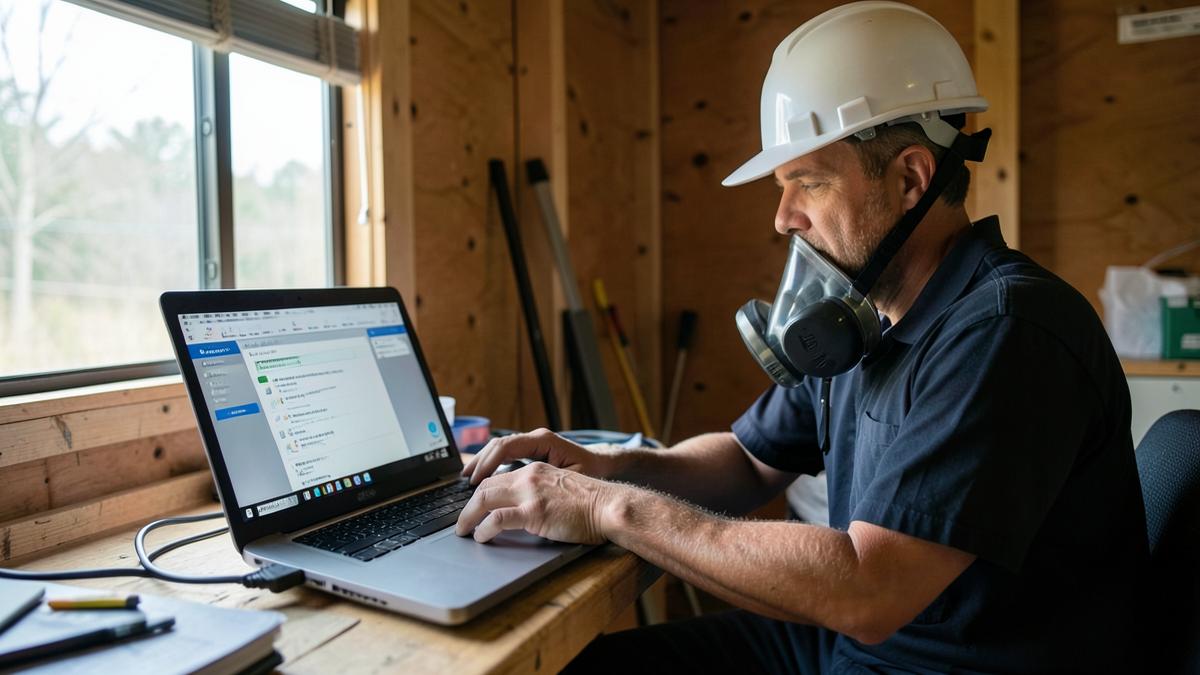
- Learn respirator fit and care properly, not casually.
- Read one section of the standard a week rather than none of it ever.
How do you move from technician to running jobs?
You get there by taking on the parts nobody else wants: the scoping, the estimating and the file. The technical work is visible, but the people who get promoted are the ones whose jobs come in on budget with clean paperwork behind them.
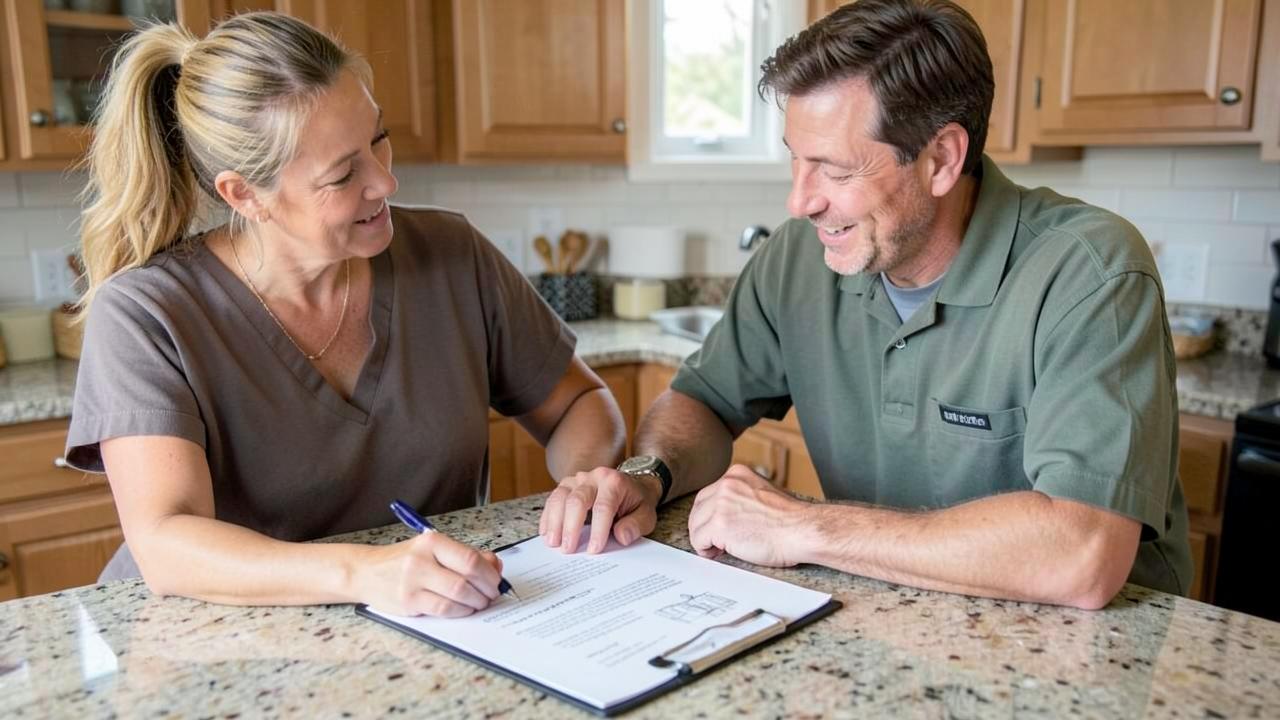
Practically, that means learning to write a scope somebody else can execute, learning to price consistently, and learning to have the awkward conversations with customers about what is and is not included. Those three skills are what a project manager does all day, and you can start practising all three long before anybody gives you the title.
What should you do first?
Get WRT, get hired, get hands on real losses, then take AMRT. Reading about the work is a poor substitute for a season of it, and the certifications make far more sense once you have seen the jobs they describe.
If AMRT is already in front of you, start with the certification guide, work the free practice questions, and check the class directory for upcoming courses.