Everybody asks this before they ask what it costs, usually because they need to know when they can move back into a room. There is no honest single answer, but the factors that set the timeline are predictable, and once you know them you can read a contractor's schedule and tell whether it is realistic.
What determines how long mold remediation takes?
Six things: how much area is affected, what Condition the areas are in, how complex the containment is, how long the structure takes to dry, when independent verification can be scheduled, and whether rebuild is in the same contract. Everything else is detail.
Notice that only two of those are about the mold. Drying is governed by materials and equipment, verification is governed by somebody else's calendar, and rebuild is a construction schedule. A small job with a slow-drying subfloor and a booked-out assessor can run longer than a bigger job with neither problem.
Does the size of the affected area decide the schedule?
Less than people expect. Area drives labour hours, but the fixed steps — mobilisation, containment, drying, verification, demobilisation — happen whether the affected area is one wall or five rooms.
What genuinely scales with size is the amount of material leaving the building, the number of separate containments needed, and the contents work. A job split across three non-adjacent areas takes longer than one contiguous area of the same square footage, because you build, verify and tear down three times. You can see the same effect in pricing — the cost calculator charges per additional work area for exactly that reason.
What does a typical mold remediation job look like day by day?
This is a sequence, not a promise — the phases happen in this order on nearly every job, but their length varies with everything above.
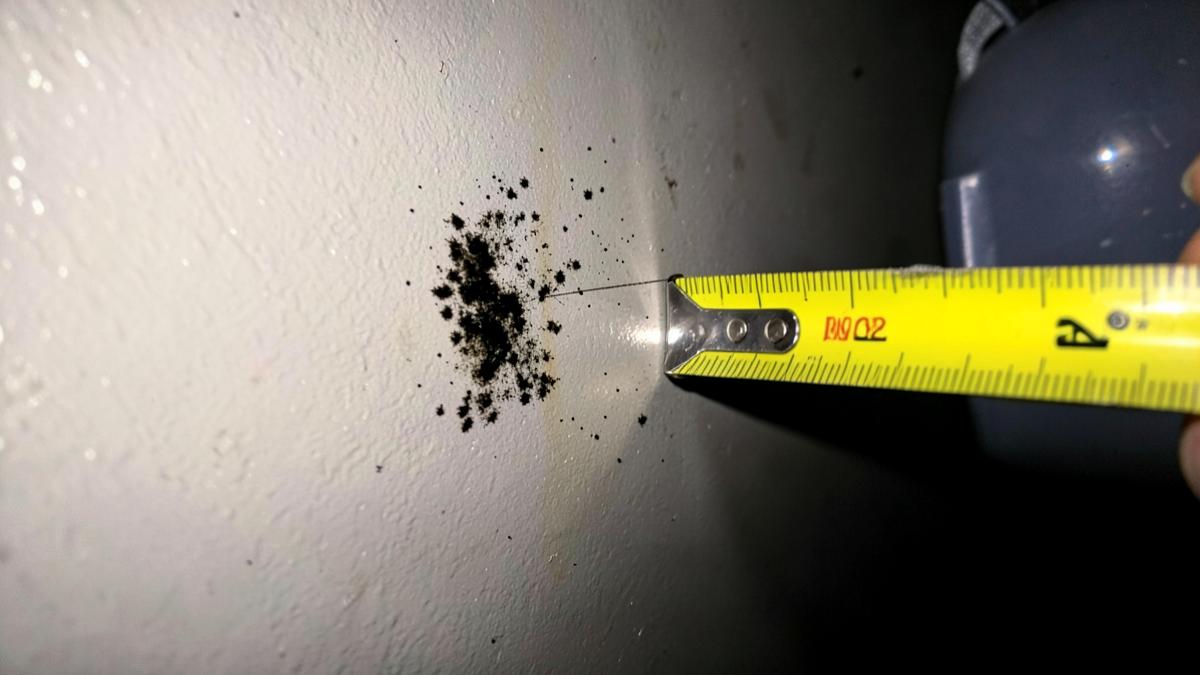
- Assessment and scope. Inspection, moisture mapping, Condition classification by area, and — where an independent protocol is being followed — the assessor's report.
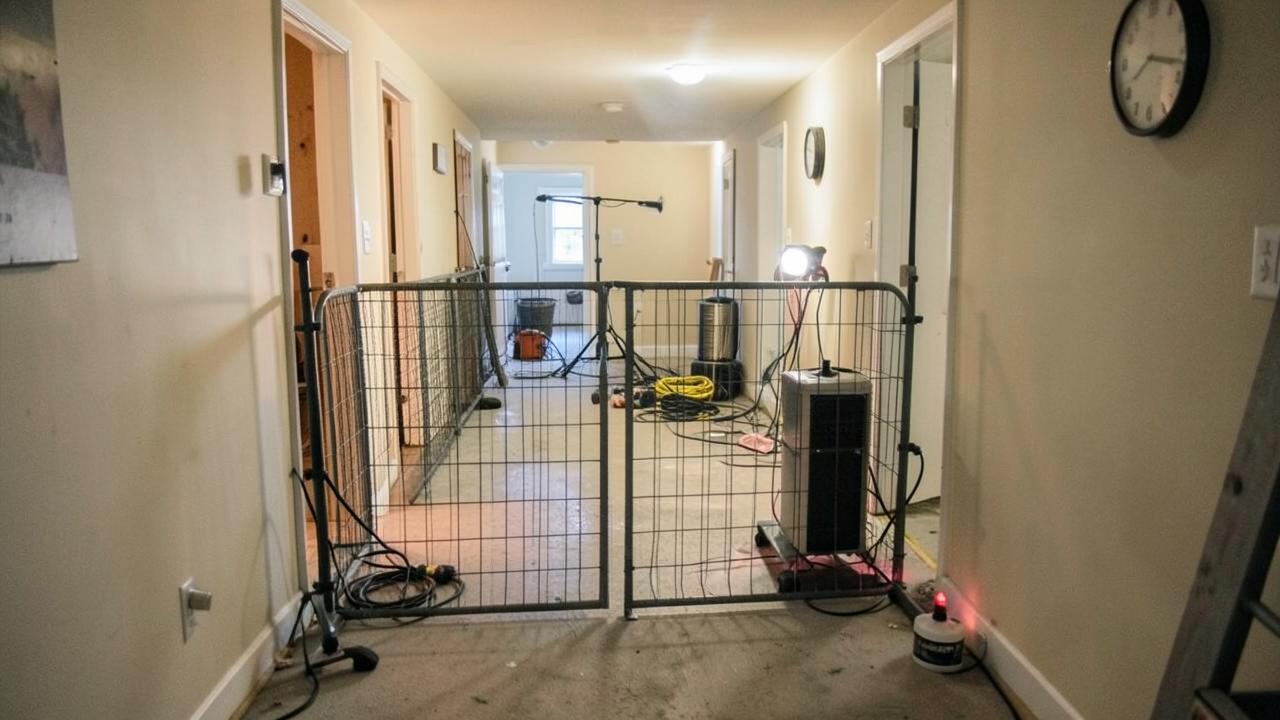
- Setup. Containment built, HVAC isolated, negative pressure established and verified, filtration sized and running, decon chamber and pathways in place.
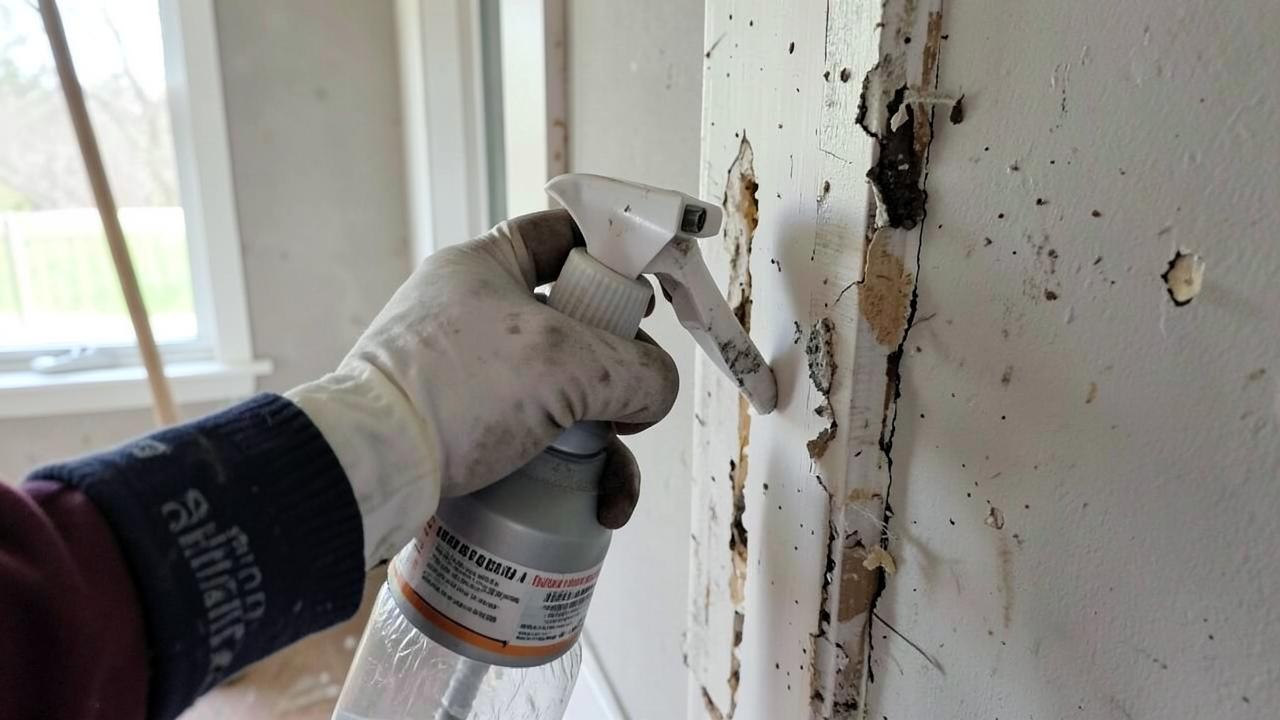
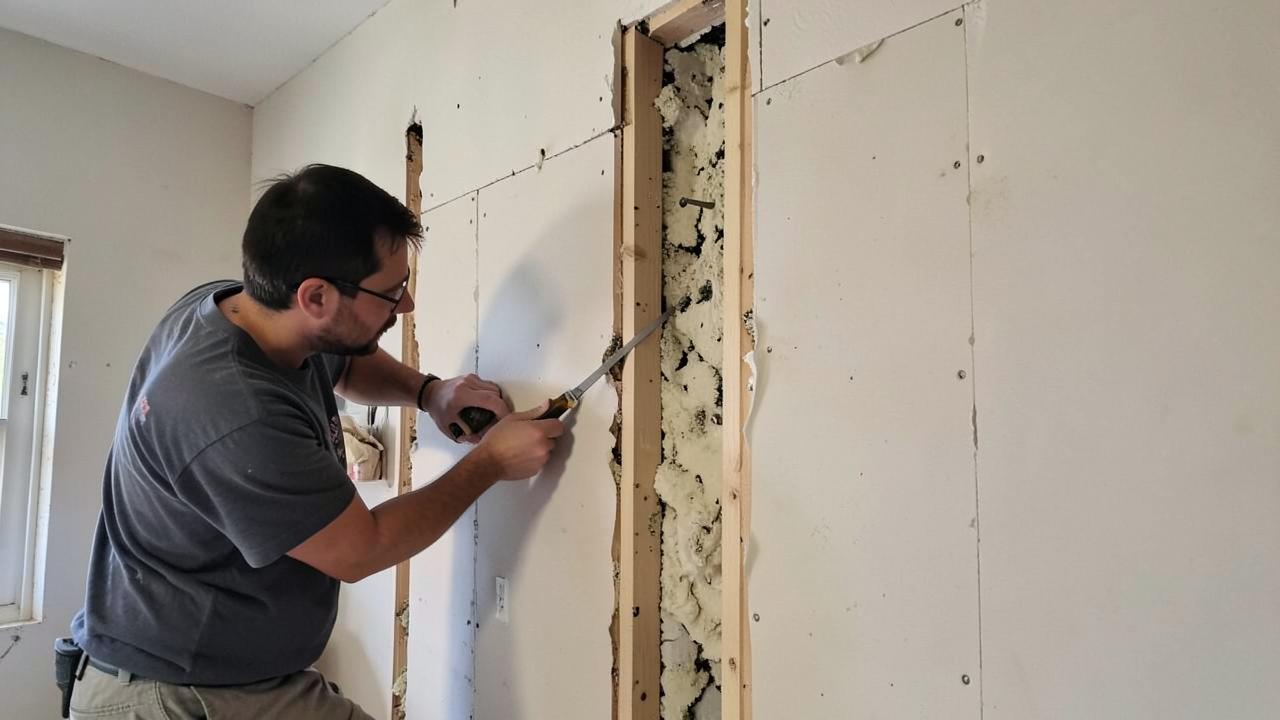
- Removal. Porous affected materials out, bagged and removed along the defined path. Usually the phase homeowners hear.
- Cleaning. HEPA vacuuming and damp wiping of remaining surfaces, including the framing and everything horizontal in the containment.
- Drying. Equipment runs until moisture readings meet the dry standard. This is the phase that most often extends a schedule, and it cannot be talked into finishing early.
- Verification. Independent post-remediation verification with containment still standing.
- Teardown and rebuild. Containment comes down after a pass; rebuild is scheduled separately and is frequently the longest phase of all.
The printable checklist follows the same order, and it is a fair way to ask a contractor where the job currently stands.
Why does drying take as long as it does?
Because water leaves dense materials slowly, and the target is a measured dry standard rather than a surface that feels dry. Framing, subfloor, concrete and plaster all release moisture on their own schedule, and pushing more equipment at them has limits.
The drying half of restoration is water-damage territory — equipment sizing, psychrometry, monitoring — and our sister site WRTTraining.com covers it. What matters for a mold schedule is that drying is verified with readings, logged daily, and not declared finished by eye.
Why does clearance add days to the schedule?
Because the person who verifies the work should not be the person who did it, which means the schedule depends on an outside party's availability, and on a laboratory's turnaround if samples are collected.
Two practical consequences. Book verification early rather than when the crew is finishing, and expect a gap between the last cleaning and the walk. If the job does not pass, the crew returns, re-cleans and the area is re-checked — read how clearance works to see what is being judged.
What delays a mold remediation job most often?
An unresolved water source, hidden damage discovered after demolition starts, contents nobody planned for, and approvals — from an insurer, a property manager or an association.
- Unfixed source. Nothing dries and nothing verifies while water is still arriving.
- Discovery. The wall opens and the affected area is larger than the estimate assumed. This is normal, and a good contractor documents it and re-scopes in writing.
- Contents. Rooms full of stored porous items add days of handling, inventory and decisions.
- Approvals. Change orders waiting on an adjuster stop a crew as effectively as bad weather.
- Access. Occupied buildings, restricted hours and shared walls all stretch a schedule.
Most of these are manageable if they are anticipated in the scope. The scope of work template includes a change-order section for precisely this reason.
Can you speed a mold remediation job up?
You can compress the schedule at the edges — decide contents early, fix the water source before the crew mobilises, book verification in advance, and approve change orders quickly. You cannot compress drying or skip verification without giving up the result.
Adding crew helps the removal and cleaning phases and does nothing for the phases governed by physics or other people's calendars. Any contractor promising a same-day finish on a project with wet structure is promising to close a wall that has not been verified.
How long before the room is safe to use again?
After verification passes and containment comes down — not before. Occupancy during the work is a judgement made with the contractor based on containment, the Condition of the areas and who lives there.
If a rebuild follows, the room is clean long before it is finished, and those are two different milestones worth keeping separate in conversation. What holds the result afterwards is moisture control: preventing regrowth covers it.
What should you ask about the schedule before signing?
Ask who fixes the water source and when, when containment goes up, how drying will be measured, who performs verification and when it is booked, and what happens to the schedule if the affected area turns out larger.
A contractor who can answer those in order is running a process. One who answers "a couple of days" to all of them is guessing. If you are choosing between firms, read when to hire a professional and what to ask, check licensing on licensing by state, and see mold remediation certification for what the training behind the credentials covers. Technicians can drill the sequencing questions in the practice exams.